
The Science of Human Movement: What Exercise Science Students Study
Published on: July 7, 2026
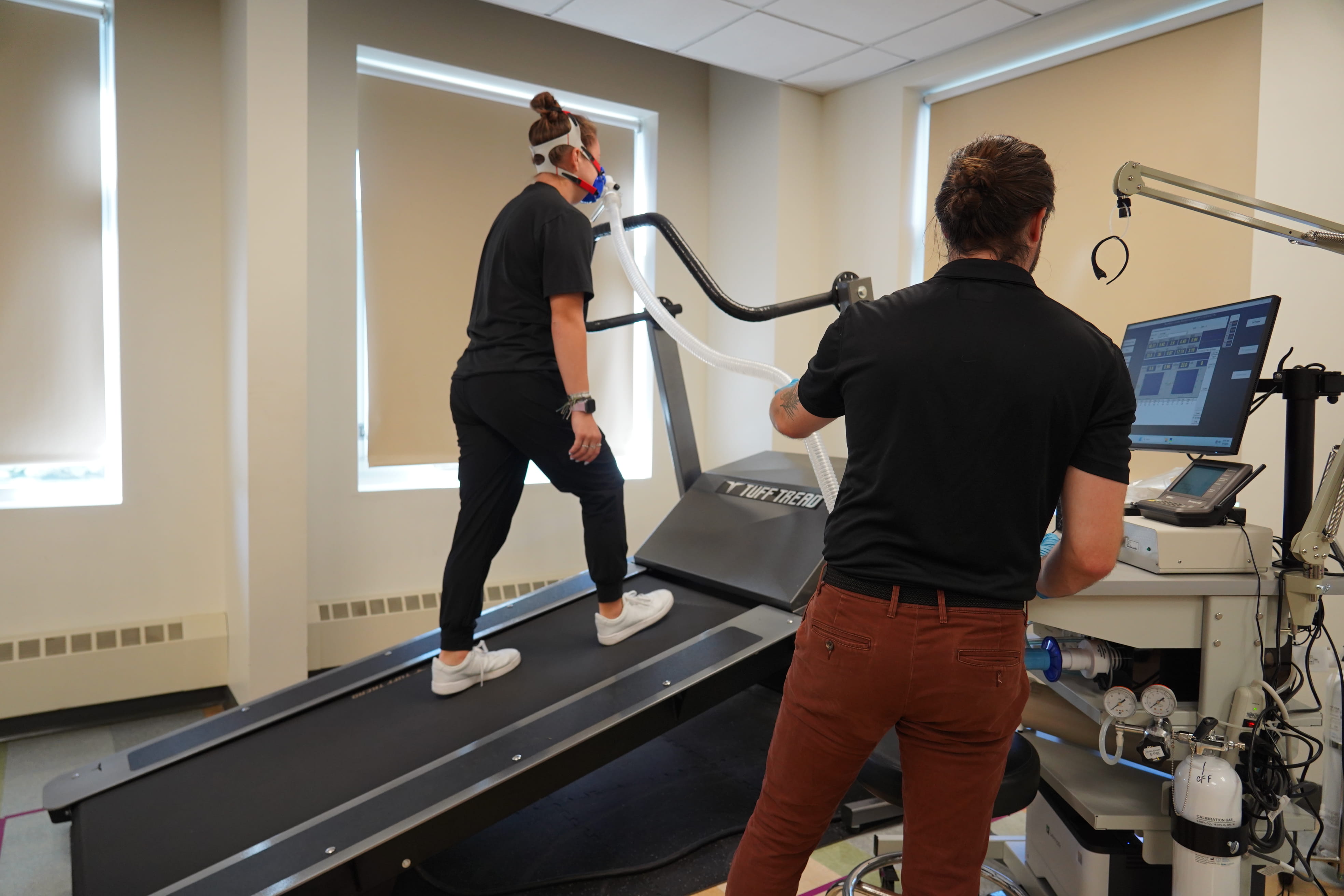
Every sprint, stretch, jump, lift and step relies on a complex partnership between muscles, bones, nerves, energy systems and the brain. Exercise science studies that partnership through practical application, examining how the body moves and how that movement can support health and recovery. For students who enjoy science but also want to apply it to real people, an Exercise Science program can be a strong fit.
This blog walks through what an exercise science major studies, what exercise science courses often include and what the degree may prepare students to do next.
Earn Your Exercise Science Degree
What Is Exercise Science as a Field of Study?
Exercise science is the study of human movement, physical activity and how the body reacts to exercise. It draws from fields like biology, physiology, anatomy, biomechanics, psychology and nutrition to explain what happens before, during and after movement.
Through an exercise science degree program, students learn how to connect these sciences to real decisions. This may include learning how to assess fitness, build an exercise plan or apply safe training methods to support long-term health. The field is both science-based and highly applicable.
How Exercise Science Differs From Kinesiology and Athletic Training
Exercise science, kinesiology and athletic training all focus on movement, but they do not mean the exact same thing. Kinesiology is the broader study of human movement, including anatomy, mechanics, culture and behavior. Athletic training, meanwhile, focuses more on injury prevention, evaluation, treatment and rehabilitation.
Exercise science sits between those areas. It studies how movement supports health and performance, with close attention to long-term physical adaptation and conditioning. It’s a particularly useful major for students interested in fitness, wellness, rehabilitation, coaching or graduate study in healthcare fields.
The Core Disciplines That Make Up an Exercise Science Major
The exercise science major brings several sciences together to help students understand movement from multiple angles. Instead of studying muscles, motivation or energy systems in isolation, students learn how these pieces work together in the body.
Anatomy and Physiology
Anatomy and physiology help students understand how the body is built and how it functions. Exercise science courses in this area often focus on the muscular, skeletal, cardiovascular and respiratory systems, which are responsible for driving movement, endurance and recovery.
Biomechanics
Biomechanics looks at the mechanics of movement. More specifically, students learn how force, motion, balance and joint position affect performance and injury risk. This can include studying running form, lifting technique, landing mechanics or how the body absorbs impact.
Exercise Physiology
Exercise physiology examines how the body responds to a single workout and how it adapts over weeks, months and years of training. Students may study energy systems, heart rate, oxygen use, fatigue, muscle adaptation and cardiovascular conditioning.
Kinesiology and Motor Behavior
Kinesiology and motor behavior focus on how physical skills are learned, controlled and refined. Students may explore motor control and skill development, as well as how movement changes from childhood through older adulthood.
Sports Nutrition
Sports nutrition introduces the role of food and hydration in performance, recovery and overall health. Students explore how nutrients support energy, muscle repair and training goals while also considering safety and individual needs.
Exercise and Sport Psychology
The mental side of movement is also significant. Coursework in exercise and sport psychology may cover topics such as:
- Motivation
- Confidence
- Behavior change
- Stress
- Focus
- Performance
This helps students understand why people start, continue or struggle with exercise plans.
What Exercise Science Courses Look Like Year by Year
Exercise science courses usually move from broad foundations to more specialized applications. In the first year, students often begin with biology, chemistry, anatomy, writing and introductory major courses. These classes help students build a strong science background before moving into more advanced work.
In the second year, coursework typically becomes more focused on human structure and function. Students may take anatomy and physiology, statistics, health-related courses and early movement science classes. This stage helps students connect classroom science to the body in motion.
By the third and fourth years, students may explore advanced exercise physiology, biomechanics, motor learning, strength and conditioning, research methods, assessment labs and internship or fieldwork experiences. At this point, students are applying what they know to practical case examples.
Hands-On Learning: Labs, Assessments and Applied Practice
One of the biggest differences between reading about movement and studying it in college is the lab experience. Exercise science students may practice the following:
- Fitness assessments
- Heart rate monitoring
- Flexibility testing
- Strength testing
- Body composition measurement
- Gait analysis
- Exercise prescription writing
Hands-on learning also teaches students how to communicate results. Lab results only matter if students can explain what they mean and how they may inform a safe plan. This emphasis on practical application aligns with standards promoted by professional organizations such as the American College of Sports Medicine.
Skills You Build in an Exercise Science Degree Program
An exercise science degree program builds both technical and people-focused skills. Students learn to observe movement carefully, interpret data, identify patterns, write exercise recommendations and adjust plans based on goals or limitations. They also learn how to read research and apply it to real cases instead of relying on trends or guesswork.
Communication is another major skill. Graduates may need to explain exercise concepts to clients, patients, athletes, coaches or healthcare professionals. Strong communication helps turn science into practical action, whether the goal is improving mobility, supporting heart health or preparing for a performance goal.
Is Exercise Science a Good Major?
For students wondering if exercise science is right for them, the answer depends on their interests and goals. It may be a good fit for students who are curious about the human body, comfortable with science classes and interested in health, fitness, performance or rehabilitation.
It is also important to look at the career path from a practical standpoint. Some roles may be accessible after a bachelor’s degree, while others may require certification, licensure or graduate education. The Bureau of Labor Statistics (BLS) reports a 9% projected job growth for exercise physiologists from 2024 to 2034. The BLS also projects 11% growth for athletic trainers and 12% growth for fitness trainers and instructors during the same period.
So, is exercise science a good major for every student? Not necessarily. Students who dislike lab science or want a degree with one single career outcome may want to compare options carefully. However, for students who want a science-centered foundation with multiple health, fitness and graduate school possibilities, exercise science can offer a flexible path.
Career Paths an Exercise Science Major Prepares You For
An exercise science major can prepare students for several direct-entry roles while also serving as a foundation for advanced study. Common career directions include:
- Personal training
- Strength and conditioning
- Fitness management
- Wellness coaching
- Exercise physiology
- Roles in recreation or community health settings
Many students also use exercise science courses to prepare for graduate programs in physical therapy, occupational therapy, physician assistant studies, athletic training or related healthcare fields. In these cases, students should check prerequisite requirements early. Graduate programs may require specific science courses, observation hours or clinical experience.
Study Exercise Science at Husson University
Exercise science gives students a closer look at how the body performs. From anatomy and biomechanics to sport psychology and hands-on assessments, the field helps students connect science with practical ways to support health and physical activity.
Husson University’s on-campus Bachelor of Science in Exercise Science is designed for students who want to study human movement, fitness assessment, exercise testing, sport psychology, injury and disease prevention and research-based exercise planning. If you are ready to explore an exercise science degree program that combines classroom learning with hands-on experience, visit Husson University’s Exercise Science program page to learn more.
Earn Your Exercise Science Degree
Back to All Articles