
Why the Physician Shortage Is Driving Demand for Pre-Med Students
Published on: April 22, 2026
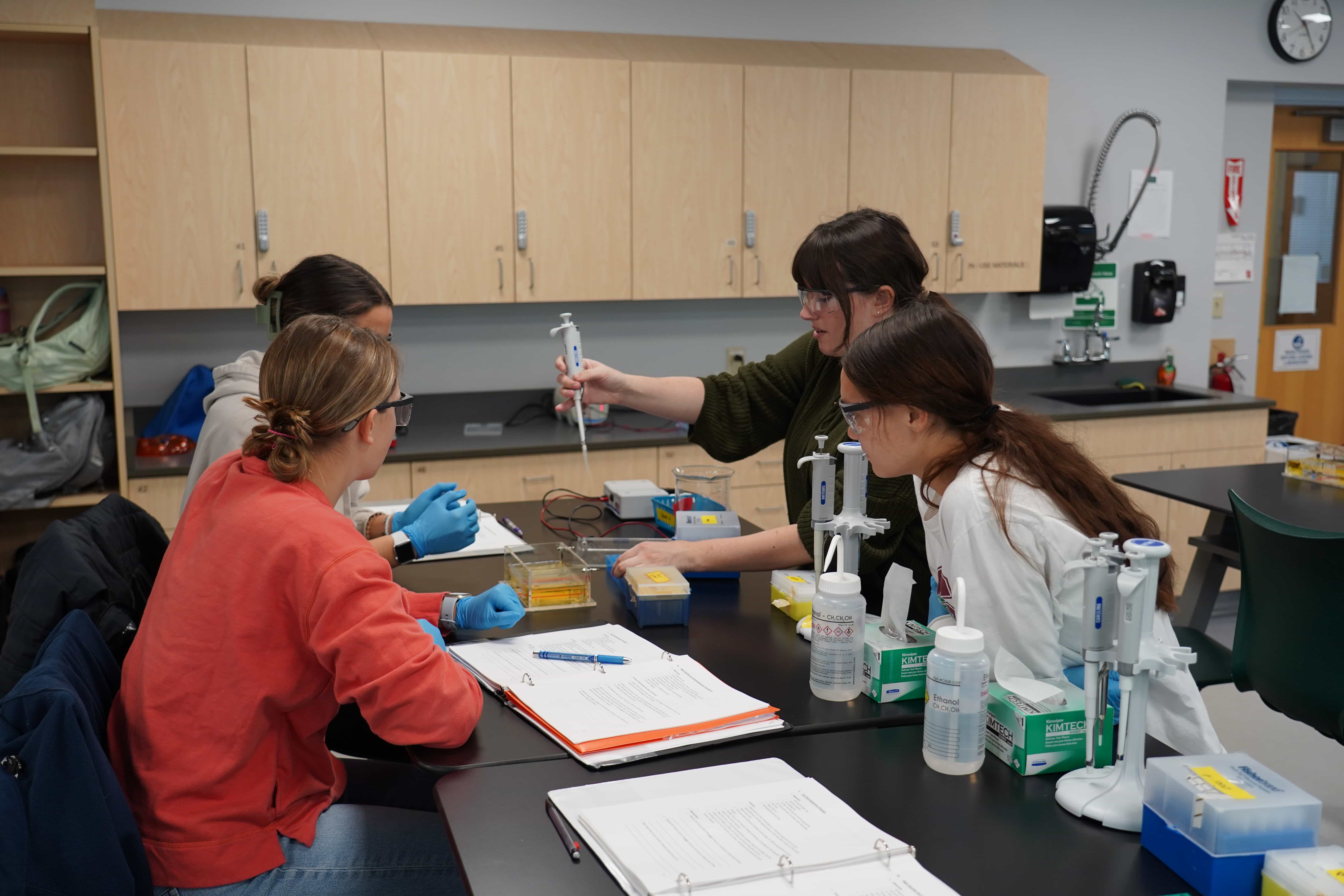
Across the United States, access to healthcare is becoming more difficult as the gap between patient needs and available providers continues to grow. Physician shortages are no longer a distant concern — they are already affecting communities, hospitals and healthcare systems nationwide. As this challenge intensifies, pre-med students are stepping into a critical role as the next generation of physicians prepared to meet rising demand.
Understanding the Physician Shortage in the U.S.
Physician shortages refer to a gap between the number of practicing doctors and the number of patients who require care. This imbalance can lead to longer waiting times, reduced access to specialists and increased strain on existing healthcare providers. According to projections from the Association of American Medical Colleges, the United States could face a shortage of up to 86,000 physicians by 2036.
This issue is not limited to one region or specialty. It affects primary care, specialty fields and both urban and rural communities, although the impact is often more severe in underserved areas. As populations grow and healthcare needs become more complex, the demand for qualified physicians continues to rise.
What Is a Health Professional Shortage Area (HPSA)?
A health professional shortage area (HPSA) is a designation used by the federal government to identify regions that lack sufficient healthcare providers. These areas may be rural communities, inner-city neighborhoods or regions with limited access to medical facilities.
In many of these locations, patients must travel long distances to receive care or wait extended periods for appointments. This can delay diagnosis and treatment, particularly for chronic conditions that require consistent monitoring. HPSAs highlight where the need for physicians is most urgent and underscore the importance of preparing more healthcare professionals to serve these populations.
Key Drivers Behind Physician Shortages
Several long-term factors are contributing to ongoing physician shortages:
- Aging population: As the population grows older, individuals tend to require more frequent medical visits, ongoing management of chronic conditions and specialized care, increasing overall demand for physicians.
- Physician retirements: A significant portion of the current workforce is nearing retirement age, which is reducing the number of practicing doctors and creating gaps in care delivery.
- Limited residency positions: Even as more students graduate from medical school, the number of available residency slots remains capped, creating a bottleneck that prevents some qualified graduates from completing their training.
These challenges are not expected to resolve quickly. Instead, they point to a sustained need for new physicians entering the field over the coming decades.
Why Physician Shortages Create Opportunity for Pre-Med Students
As physician shortages continue to strain healthcare systems, hospitals and clinics are facing increased patient loads, longer waiting times and added pressure on existing staff. In many cases, providers must manage more patients than is ideal, which can impact both efficiency and continuity of care. Healthcare organizations are actively working to address these gaps, but the need for additional physicians remains significant. For students considering a pre-med path, this environment highlights a clear and growing need for new providers.
Increased Demand for Future Doctors
Physician shortages are closely tied to long-term job demand. As more providers are needed to care for expanding patient populations, the need for trained physicians remains steady. Healthcare continues to be one of the most consistently growing fields, offering a level of stability that appeals to many students pursuing medical careers.
Expanding Career Opportunities Across Specialties
Demand is not limited to one type of physician. Primary care providers, specialists and physicians working in rural or underserved communities are all needed. This allows students to explore a range of career paths, from family medicine to specialized fields such as cardiology or oncology. With shortages affecting multiple areas of care, students may find greater flexibility when choosing a specialty that aligns with their interests and long-term goals.
Making a Meaningful Impact
Becoming a physician offers the opportunity to directly improve patient outcomes and strengthen community health. In areas facing limited access to care, physicians often play a central role in addressing critical healthcare needs. For many students, this path combines professional growth with a sense of purpose, as their work contributes to improving quality of life for individuals and communities.
What Percent of Pre-Med Students Become Doctors?
Many students begin college with the intention of pursuing medicine, but not all complete the journey to medical school. Research shows that only about 16.5% of students who initially plan to follow a pre-med track complete the required coursework needed to apply to medical school. This reflects the academic rigor and commitment required throughout the process.
Understanding the Pre-Med to Medical School Pipeline
The pre-med path involves several stages, including completing prerequisite coursework, preparing for the Medical College Admission Test (MCAT) and gaining relevant experience in healthcare settings. Not every student who starts this track ultimately applies to medical school. Medical school acceptance rates vary, and admission is competitive. Success depends on a combination of academic performance, test scores and demonstrated commitment to the field.
Factors That Improve Your Chances
Students who strengthen their preparation can improve their chances of moving forward in the medical school application process. Key factors include:
- Strong academic performance, particularly in science coursework
- Thorough preparation for the MCAT
- Clinical experience, volunteering or internships in healthcare settings
Developing these areas early can help students build a competitive application while also gaining a clearer understanding of the profession.
How Many Years Is Medical School and Training?
Pursuing a career as a physician requires a significant investment of time and education. Understanding the timeline can help students plan their academic and professional journey more effectively.
Medical School Timeline
For those wondering how many years is medical school, the answer is typically four years. The first portion focuses on foundational sciences and classroom-based learning, while the later years emphasize clinical rotations in real healthcare settings. During clinical training, students work with patients under supervision, gaining experience across different specialties such as internal medicine, surgery and pediatrics.
Residency and Specialization
After graduating from medical school, students enter residency programs, where they receive specialized training in their chosen field. Residency length varies depending on the specialty but generally ranges from three to seven or more years. This phase is essential for developing the skills and expertise required to practice independently as a licensed physician.
Total Time Commitment from Pre-Med to Physician
The full pathway to becoming a physician includes four years of undergraduate study, four years of medical school and several years of residency training. Altogether, this process can take more than a decade. Understanding this timeline helps students set realistic expectations and prepare for the long-term commitment involved in pursuing a medical career.
How to Start Your Journey as a Pre-Med Student
Beginning your journey as a pre-med student involves careful planning, academic focus and early exposure to healthcare environments.
Build a Strong Academic Foundation
Success in a pre-med program starts with a solid grounding in the sciences. Coursework in biology, chemistry, anatomy and related fields helps develop the knowledge base needed for medical school. Maintaining consistent study habits and seeking academic support when needed can make a meaningful difference throughout this process.
Gain Hands-On Experience in Healthcare
Practical experience plays an important role in preparing for a medical career. Students are encouraged to volunteer, shadow physicians or work in healthcare settings where they can observe patient care firsthand. These experiences not only strengthen applications but also help students confirm their interest in the field.
Choose the Right Pre-Med Program
Selecting a pre-med program that offers strong academic preparation and support can influence a student’s readiness for medical school. Husson University’s Bachelor of Science in Pre-Medicine program provides a rigorous curriculum with coursework in anatomy, biology, chemistry, epidemiology, immunology, microbiology and physiology.
Students have access to specialized labs where they apply scientific concepts in practical settings, as well as opportunities to explore electives such as public health, nutrition and chronic disease management. Guidance in securing volunteer and experiential opportunities further supports students as they prepare for medical school applications.
Is a Pre-Med Path Right for You?
A pre-med path may be a good fit for students who are passionate about healthcare and motivated to help others. It also requires a willingness to commit to years of education and training, along with a strong interest in science and problem-solving.
For those seeking a stable career with the potential to make a meaningful impact, becoming a physician offers both challenge and purpose. As physician shortages continue to shape the future of healthcare, the need for well-prepared medical professionals will remain strong.
If you are ready to take the first step, Husson University’s Pre-Med program offers a structured path to build your academic foundation, gain relevant experience and prepare for the next stage of your journey toward medical school.
Back to All Articles