
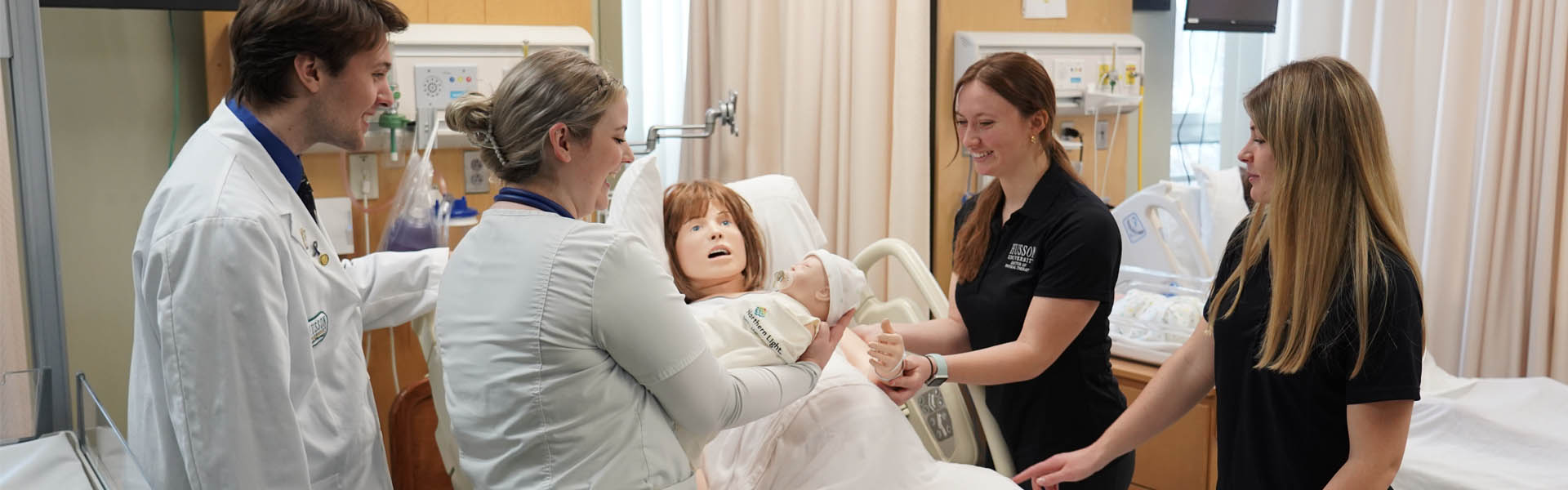
AI Manikin
We have a variety of manikins from different vendors
Gumard
HAL s5301
Meet the world’s most advanced interdisciplinary patient simulator.
From emergency care to ICU and med-surg training, Hal is designed to fulfill educational objectives across clinical disciplines and blur the lines between simulation and real life. New conversational speech1, lifelike motor movement, next-gen simulated physiology, uni3, and many more industry-first capabilities launch the next leap in simulation.
Introducing a new level of fidelity in neurological emergency simulation
hal introduces the latest innovations in robotics and ai-enhanced speech1 to simulate lifelike symptoms of a neurological emergency and enables team-based training through patient assessment and treatment. New features like facial droop, conversational speech and arm motor control reproduce the progression of a stroke, helping teams train in time-dependent clinical skills and teamwork.
Conversational speech enhanced by artificial intelligence
hal automatically answers medical history and initial assessment-related questions, follows voice commands, and learns over time.
Active motor function
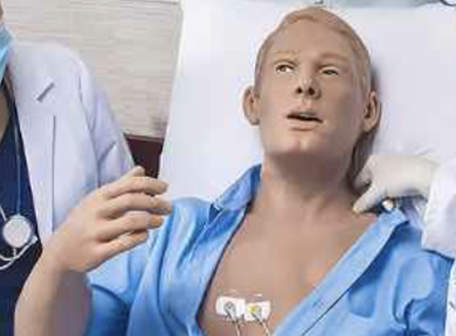 right arm motor reflex: shake hand, squeeze hand, raise arm, withdrawal response, and abnormal posturing. Head and eyes turn toward the provider speaking.
Abnormal eye movements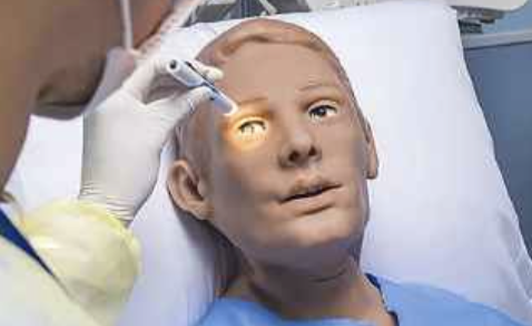 consensual and non-consensual pupillary response to light stimuli. Abnormal eyemovement includes strabismus, ptosis, and more
Dynamic facial expressions
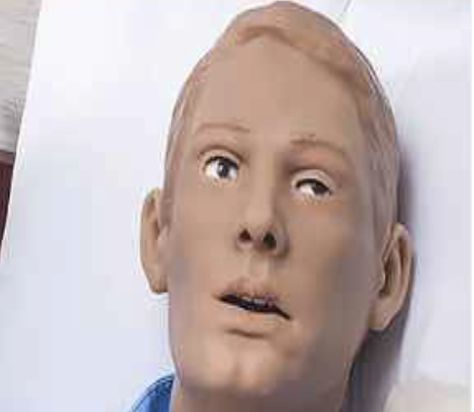 lifelike facial droop and smiling, pained, quizzical, and scared facial expressions, dynamic emotional states automatically express non-verbal cues including worry anxiety, and lethargy.
Lifelike sensory response
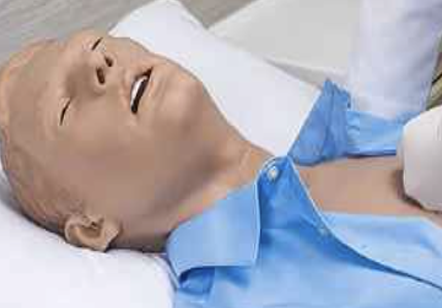 active pain response to pressure sensitive sites: bilateral supraorbital notch, trapezius pinch(left shoulder), sternal rub, and right middle finger nailbed.