

The Growing Demand for Video Content Creators in Digital Media
Published on: April 21, 2026
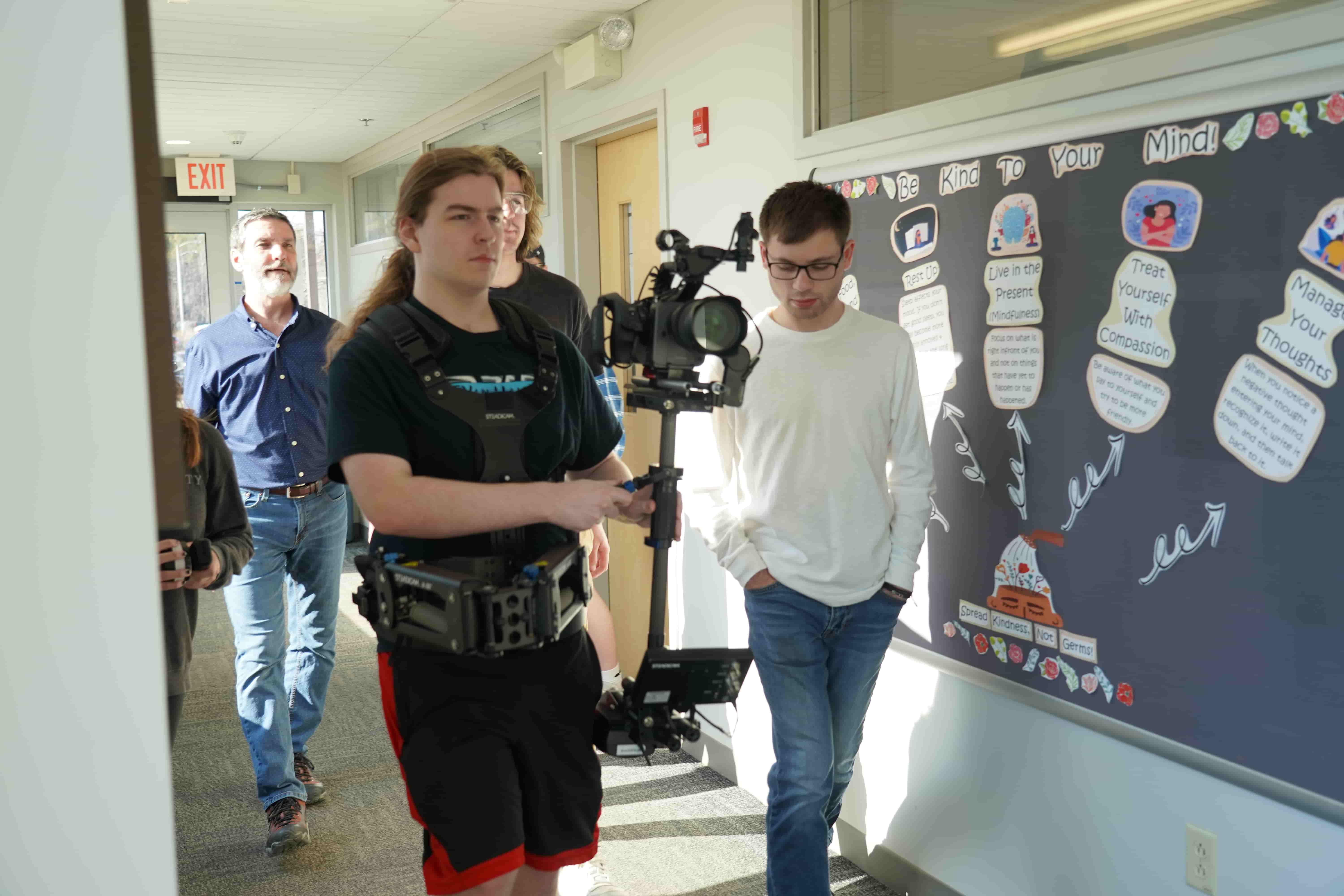
Video is everywhere. From product launches to viral social clips, audiences are consuming more video content than ever before — which has created real demand for skilled creators who understand both the technical and creative sides of the craft. Whether you are just starting out or considering formal training, knowing what it takes to succeed as a digital creator has never been more relevant.
Explore Our Video and Film Production Program
Why Video Content Is Dominating Digital Media
Video has become the preferred format for communication online. Platforms like YouTube, TikTok and Instagram Reels have reshaped how people consume information, entertainment and news. For brands and marketers, video is no longer optional. Short-form content drives engagement, while long-form builds loyal communities. Businesses rely on videos to explain products and tell their story in ways text simply cannot match.
Digital creators have stepped into roles once held by traditional media, and the demand for professionals who can plan, shoot and edit compelling video has grown right alongside this shift.
What Does a Digital Content Creator Do?
A digital creator wears many hats. The work can range from scripting and filming to editing, posting and responding to comments. While day-to-day tasks vary, most creators share core responsibilities across three areas: deciding the type of content they make, creating it and getting it in front of an audience.
Types of Content Creation
There are many types of content that digital creators may produce, including:
- Social media videos (YouTube, TikTok, Instagram): These range from short, attention-grabbing clips to longer series designed to build a subscriber base. Creators in this space know how to hook viewers and keep them watching.
- Brand and marketing content: Companies hire creators to produce promotional videos, product demos and campaigns that align with their brand identity and goals.
- Educational and informational video content: This category covers content designed to teach a skill, break down a complex topic or guide viewers through a process — such as online courses and explainer videos.
Responsibilities of a Digital Creator
Behind every polished video is a process — and most creators manage more of it than viewers realize. Digital creators often start by planning content. This includes researching topics, writing scripts, building shot lists and maintaining a content calendar to stay consistent.
Many creators also handle filming and editing, which involves capturing footage before moving into post-production to cut, color-correct, add music and deliver the final product.
Once videos are produced, creators manage platforms and audience engagement. Responding to comments, tracking performance data and staying current with platform changes are all part of the work.
Skills Needed for Creating Content and Video Production
Success in video production requires technical know-how, creative thinking and marketing awareness. Here is a closer look at the skill sets that matter most.
Technical Skills in Professional Video Production
Solid production technique is the foundation of quality video, involving hands-on skills that separate polished content from footage that loses viewers fast. Examples include:
- Camera operation and lighting techniques: Knowing how to frame a shot and work with natural and artificial light can make a significant difference in the finished product.
- Video editing software and post-production: Programs like Adobe Premiere Pro, Final Cut Pro and DaVinci Resolve are industry standards. Proficiency in at least one is often essential.
- Audio recording and sound design basics: Clear audio matters as much as sharp visuals. Knowing how to capture clean sound and work with it in post is a critical part of professional video production.
Creative and Storytelling Skills
Technical ability gets you far, but storytelling is what makes content memorable. Great creators know how to connect with an audience through narrative and visuals. Strong scriptwriting and content planning, for example, keep content focused and engaging — whether it is a 60-second ad or a 20-minute video.
Visual storytelling and branding are also key. Composition, color and pacing all communicate something to the viewer. Creators who understand visual language can reinforce a brand's identity through every frame.
Finally, it’s important to adapt content for different platforms. A video that works on YouTube will not necessarily land on TikTok. Adjusting format, length and tone for each platform is a skill that sets experienced creators apart.
Digital and Marketing Skills
Creating great content is only half the equation. Getting it seen by the right people requires understanding how digital platforms work, including how social media algorithms work. Platforms reward consistency, engagement and watch time; creators who understand these mechanics can grow their reach more effectively.
In addition, creators should be familiar with audience targeting and engagement strategies. Knowing who you are creating content for shapes every decision, from topic selection to tone to the call to action.
Analytics and performance tracking are also fundamental. Data points like views, watch time and click-through rates help creators refine their approach over time.
How to Become a Content Creator
If you are wondering how to become a content creator, the path is more accessible than ever. Most successful creators follow a few foundational steps:
- Choose a niche or area of focus. Trying to appeal to everyone rarely works. Picking a specific topic or audience helps you build a consistent presence and stand out.
- Learn the fundamentals of video production and editing. You do not need a full studio to start, but the basics of camera work, lighting and editing are essential. Free tutorials, online courses and hands-on practice all help build this foundation.
- Start creating content consistently. Consistency drives audience growth. The more you create, the faster you improve.
- Build a portfolio and online presence. A strong portfolio shows potential clients and employers what you can do. Post your work and curate examples that reflect your range.
- Explore formal education or training programs. A structured program in video production can provide technical depth, industry connections and a credential that opens doors.
Career Opportunities in Digital Media and Video Production
The job market for video content professionals spans a wide range of industries. Whether you want to build your own brand or work within an organization, there are meaningful paths to explore.
Content Creator and Influencer Roles
- Social media content creator: Works with brands or independently to produce video content across platforms like Instagram, TikTok and YouTube.
- YouTube creator or streamer: Builds an audience through long-form video or livestreaming. Revenue can come from ad income, sponsorships and memberships.
- Brand ambassador or influencer: Partners with companies to promote products through authentic video content. Requires a strong personal brand and an engaged following.
Professional Video Production Careers
- Video producer: Oversees the full production process from concept to final delivery. Coordinates crew, manages budgets and ensures the creative vision is executed on time.
- Videographer: Specializes in capturing footage for events, corporate clients and documentaries. Often works freelance or on contract.
- Video editor: Focuses on post-production, turning raw footage into polished final cuts across commercial, narrative and social media content.
Corporate and Media Roles
- Marketing content specialist: Creates video and multimedia content as part of a company's broader marketing strategy, often working closely with brand and creative teams.
- Digital media producer: Manages video content creation and distribution across digital channels for media outlets, agencies or corporate communications teams.
- Multimedia specialist: Combines video, audio, graphics and interactive elements to produce content for websites, apps and internal platforms.
Is a Career in Video Content Creation Right for You?
Before committing to a path in digital media, it helps to consider whether the work genuinely fits your interests and working style. A career in video content creation might be right for you if you have the following:
- Passion for storytelling and digital media: If you are captivated by how a well-edited video can shift a viewer's perspective, that instinct is a strong sign this field suits you.
- Interest in both creative and technical work: The most effective video professionals enjoy both sides of the job. If you like solving problems as much as expressing ideas, this career offers plenty of both.
- Ability to adapt to fast-changing platforms: Trends shift quickly. Creators who stay curious and embrace change tend to build more sustainable careers.
- Desire to work independently or within creative teams: Video careers look different depending on whether you are building your own brand or working within a company. Both paths are viable.
Turn Your Passion for Video Into a Career
Video content is one of the most powerful communication tools available today — and the demand for professionals who can create it well continues to grow. From learning how to become a content creator to mastering professional video production, success in this field comes down to education, practice and a genuine passion for the work.
If you are ready to build skills that employers and clients are actively seeking, Husson University's Video Production program offers the hands-on training you need. With a curriculum that bridges creative vision and technical execution, the program prepares students to step confidently into roles as working digital creators and content professionals. Explore the Video Production program at Husson University to learn more about turning your passion for creating content into a meaningful career.
Explore Our Video and Film Production Program
Back to All Articles