

How Criminal Investigations Work: From Crime Scene to Courtroom
Published on: April 7, 2026
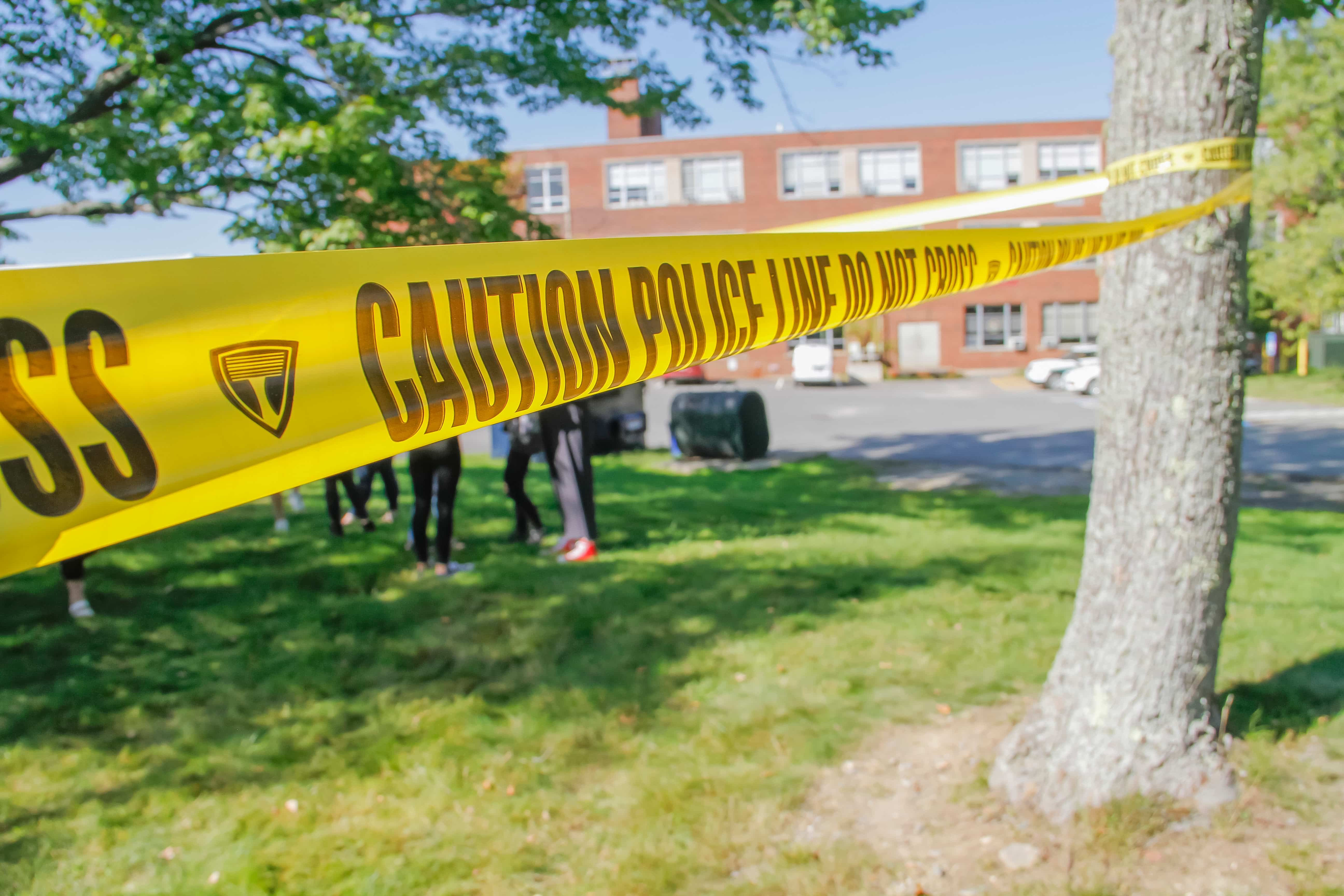
Criminal investigations follow a structured path that begins at the scene of a suspected crime and continues through the courtroom. Each stage plays a role in ensuring that evidence is collected and presented in a way that supports fair outcomes. Understanding this process offers valuable insight into how the crime and criminal justice system functions, especially for those interested in pursuing a career in the field.
Explore Our Criminal Justice ProgramsWhat Is the Crime and Criminal Justice System?
The crime and criminal justice system refers to the network of institutions and processes responsible for maintaining public safety, enforcing laws and addressing criminal behavior. Its primary purpose is to prevent crime, investigate violations and determine appropriate consequences when laws are broken.
This system is generally divided into three major components: law enforcement, the courts and corrections. Each plays a distinct role, yet all are interconnected and rely on one another to function effectively.
Key Components of the Criminal Justice System
Law enforcement agencies are often the first point of contact within the crime and criminal justice system. Police officers and investigators respond to incidents, secure crime scenes, gather evidence and identify potential suspects. Their work lays the foundation for everything that follows.
The court system is responsible for interpreting the law and overseeing criminal proceedings. Judges, prosecutors and defense attorneys evaluate evidence, ensure legal standards are met and determine whether a defendant is guilty.
Correctional institutions handle individuals who have been convicted of crimes. This includes jails, prisons and probation or parole systems, all of which focus on accountability, supervision and rehabilitation.
The Role of Criminal Investigations Within the System
Criminal investigations serve as the starting point in criminal proceedings. Before a case can move to court, investigators must gather and analyze evidence that supports or refutes allegations of wrongdoing.
The quality of an investigation directly influences what happens next. Strong evidence can support charges and prosecution, while weak or improperly handled evidence can limit a case's progress. Investigators are responsible for building a clear, fact-based narrative that can withstand scrutiny throughout the legal process.
What Does a Criminal Investigator Do?
To understand how cases move through the system, it helps to answer the question: what does a criminal investigator do? These professionals are responsible for uncovering facts, collecting evidence and piecing together events related to a crime. Their work requires attention to detail, critical thinking and strong communication skills.
Responsibilities at the Crime Scene
At the crime scene, investigators focus on collecting and preserving evidence. This includes photographing the scene, documenting observations and gathering physical materials such as fingerprints, DNA samples and trace evidence.
Accuracy is essential during this stage. Small details can play a significant role later in criminal proceedings, so investigators must follow established procedures and carefully document every step.
Conducting Interviews and Gathering Evidence
Beyond the crime scene, investigators conduct interviews with witnesses, victims and potential suspects. These conversations help establish timelines and provide context for what occurred. Investigators also compare statements with physical evidence to identify inconsistencies or confirm details. In addition, they may review surveillance footage, digital records and other sources of information to build a comprehensive understanding of the case.
Working with Forensic and Legal Teams
Criminal investigations involve collaboration with a range of professionals. Forensic analysts process evidence in laboratories, while legal teams provide guidance on how evidence can be used in court. This teamwork ensures that findings are accurate and aligned with legal standards. It also strengthens the overall case by combining expertise from multiple areas within the criminal justice system.
The Criminal Investigation Process Step-by-Step
Criminal investigations follow a series of steps designed to move a case from initial response to potential prosecution. Each phase builds on the previous one, requiring careful coordination and attention to detail.
Step 1: Crime Scene Response and Evidence Collection
The process begins when law enforcement responds to a reported crime. Officers secure the scene to protect evidence and ensure safety, then investigators document the area through photographs, sketches and written reports.
Evidence collection follows strict protocols to preserve its integrity. Mistakes at this stage can affect the reliability of evidence and impact the outcome of criminal proceedings.
Step 2: Analysis and Case Development
Once evidence is collected, investigators analyze it to identify patterns, connections and potential suspects. This may involve reviewing forensic reports, consulting databases and examining digital evidence.
During this phase, investigators begin to develop a case by organizing findings into a clear sequence of events. Reports and documentation become critical tools for communicating information to prosecutors and other stakeholders.
Step 3: Arrest and Charging Decisions
When sufficient evidence is available, investigators work with prosecutors to determine whether charges should be filed. This decision is based on probable cause, meaning there is a reasonable belief that a crime has been committed and that a specific individual is responsible. If charges are approved, an arrest may be made and the case moves forward into the next phase of the crime and criminal justice system.
Understanding Criminal Proceedings
After an arrest, the focus shifts from investigation to the courtroom. Criminal proceedings involve a series of legal steps that determine how a case is resolved.
From Arrest to Trial
Criminal proceedings typically begin with an arraignment, where the defendant is formally charged and enters a plea. Pre-trial motions may follow, addressing issues such as evidence admissibility or procedural concerns.
If the case proceeds to trial, both the prosecution and defense present their arguments. Witnesses may testify and evidence is examined to determine whether the charges are supported beyond a reasonable doubt.
The Role of Evidence in Court
Evidence collected during the investigation becomes central in court. Prosecutors rely on this information to establish facts, while defense attorneys may challenge how it was obtained or interpreted. Proper procedures during the investigation help ensure that evidence is admissible. If protocols are not followed, certain evidence may be excluded, which can affect the strength of the case.
Outcomes and Sentencing
Criminal proceedings can result in several outcomes, including dismissal of charges, plea agreements, convictions or acquittals. Each outcome depends on the evidence presented and how it is evaluated in court.
Sentencing occurs when a defendant is found guilty or accepts a plea agreement. Penalties vary based on the nature of the offense and may include fines, probation or incarceration. The effectiveness of the initial investigation often influences how clearly the case is understood during this stage.
Career Paths in Criminal Investigation and Justice
The crime and criminal justice system offers a wide range of career opportunities, many of which focus on investigation, analysis or legal support.
Criminal Investigator Roles
Several roles involve direct participation in investigations. Detectives typically work within local or state law enforcement agencies, handling a variety of cases and coordinating with other departments.
Crime Scene Investigators (CSI) specialize in evidence collection and analysis at crime scenes, using scientific methods to support investigations.
Finally, federal agents work for national agencies and often focus on specific types of crimes, such as financial fraud, cybercrime or organized crime. Their work may involve complex, multi-jurisdictional cases.
Other Careers in the Criminal Justice System
Additional roles support the broader system. Forensic analysts examine evidence in laboratory settings, applying scientific techniques to identify key details. Legal assistants or paralegals help attorneys prepare for criminal proceedings by organizing documents, reviewing evidence and assisting with case management. Corrections officers, meanwhile, supervise individuals in detention facilities, maintaining safety and supporting rehabilitation efforts.
Is a Career in Criminal Justice Right for You?
A career in criminal justice may appeal to individuals who are interested in law enforcement, investigations or legal processes. It often requires strong analytical thinking, attention to detail and the ability to evaluate complex situations.
Professionals in this field frequently work in high-pressure environments where decisions can have significant consequences. Effective communication and ethical judgment are essential when handling sensitive information and interacting with diverse populations. Many individuals are drawn to this work because of a desire to contribute to public safety and uphold the principles of justice.
Earn a Criminal Justice Degree at Husson University
If you are considering this path, Husson University offers a range of criminal justice degree options designed to support your goals. Students can pursue a bachelor's degree, combine criminal justice with psychology or complete an accelerated dual bachelor's and master/s pathway. For those seeking advanced study, the Master of Science in Criminal Justice Administration program focuses on areas such as law, budgeting and policy-making, while also developing communication, leadership and interpersonal skills.
These programs are structured to help you build the knowledge and practical experience needed to pursue roles in criminal investigations and across the criminal justice system. Get in touch today to learn more!
Explore Our Criminal Justice Programs
Back to All Articles