
Husson Nursing Student Traveled with Partners for World Health In Summer 2026
Published on: November 4, 2026
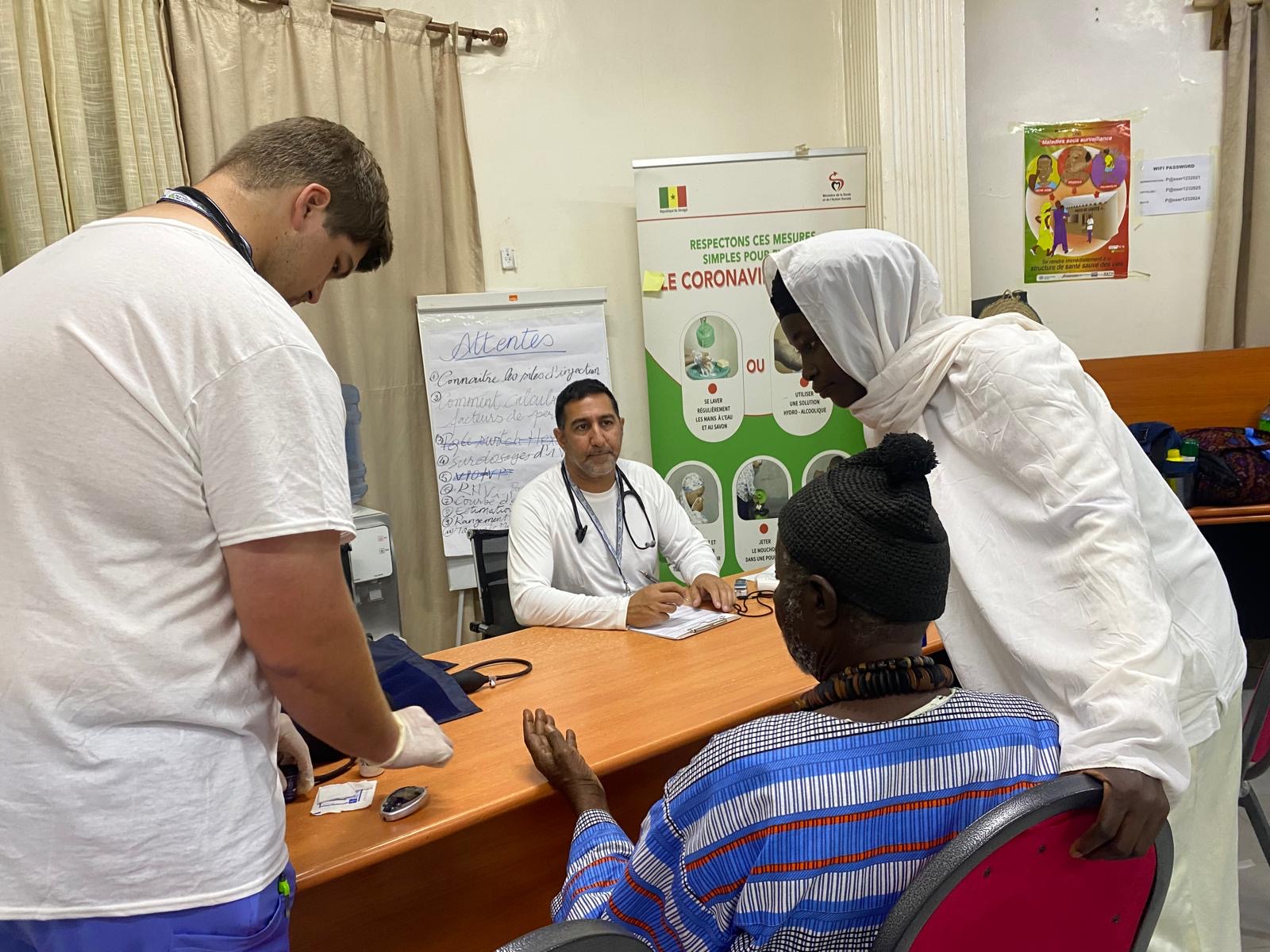
Logan Timberlake, a third-year nursing student at Husson University, traveled sub-Saharan Africa in summer 2026 to provide nursing care in small clinics to patients without access to regular healthcare.
Timberlake was part of a group of students and doctors who cared for patients in multiple clinics located throughout Senegal, located in West Africa. The trip was organized by Partners for World Health, a non-profit organization based in Portland, Maine. The organization aims to reduce environmental impact by distributing unused medical supplies to communities in need around the world.
Founder and former CEO, Elizabeth McLellan, said she was inspired to start this initiative after working in hospitals in Pakistan, seeing previously-used medical supplies reused on patients. She came back home and started the organization that now distributes supplies to many parts of the world including the Philippines, Uganda, Kenya, Bangladesh, and Senegal.
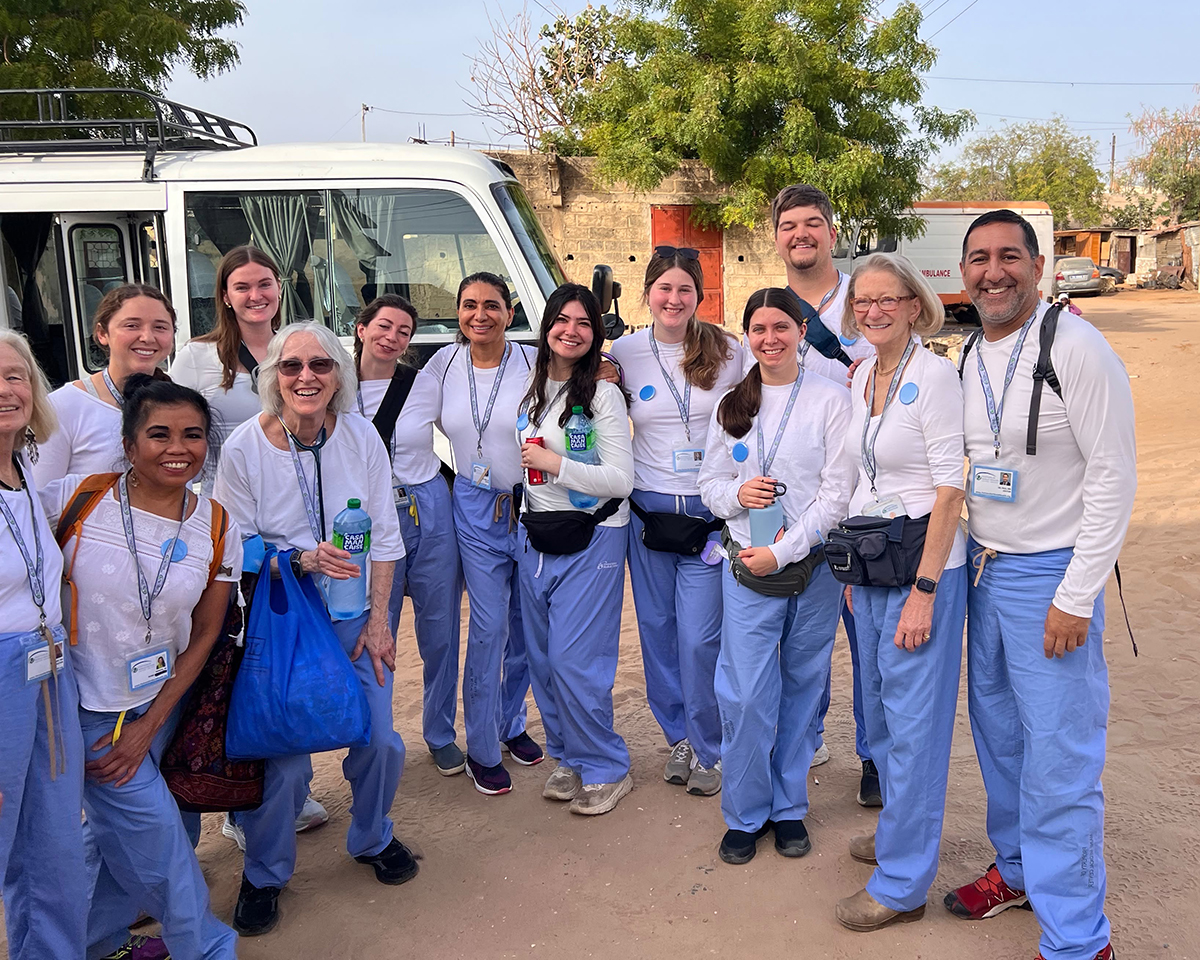
The group worked with Partners for World Health’s Project 10,000, an effort to reduce mortality rates among new mothers and infants in sub-Saharan Africa. Students on the project did routine vital checks and infection prevention, helping people while also honing their skills. The trip also allowed them to gain experience in different working environments and healthcare systems.
“Most hospitals either have one or two patient rooms. These patients are six in one room, really cramped, really hot,” he said. “Just our normal infection control practices we see here, they don’t have any of that where we were.”
Translators helped bridge the communication between the students and their patients.
“Some of the women for Project 10,000 would come in with a little book, that they’d been seen by a midwife and it was their health history, but they couldn’t read it so they didn’t know what to do,” Timberlake said.
Nonverbal communication was helpful as well.
Timberlake said he came back from the trip more educated on the world and grateful.
“You can always see that part of the world through documentaries and stuff, but until you’ve lived it and experienced it, I don’t think you have a full understanding of how their life is,” Timberlake said.