
Student Spotlight: Morgan Curtis — Bureau of Land Management Helitack Crew
Published on: March 26, 2026

Husson University conservation law student Morgan Curtis spent last summer in Wyoming working as a wildland firefighter and helitack crew member with the Bureau of Land Management. The experience showed her what it takes to be a wildlife firefighter and solidified a love for working in nature.
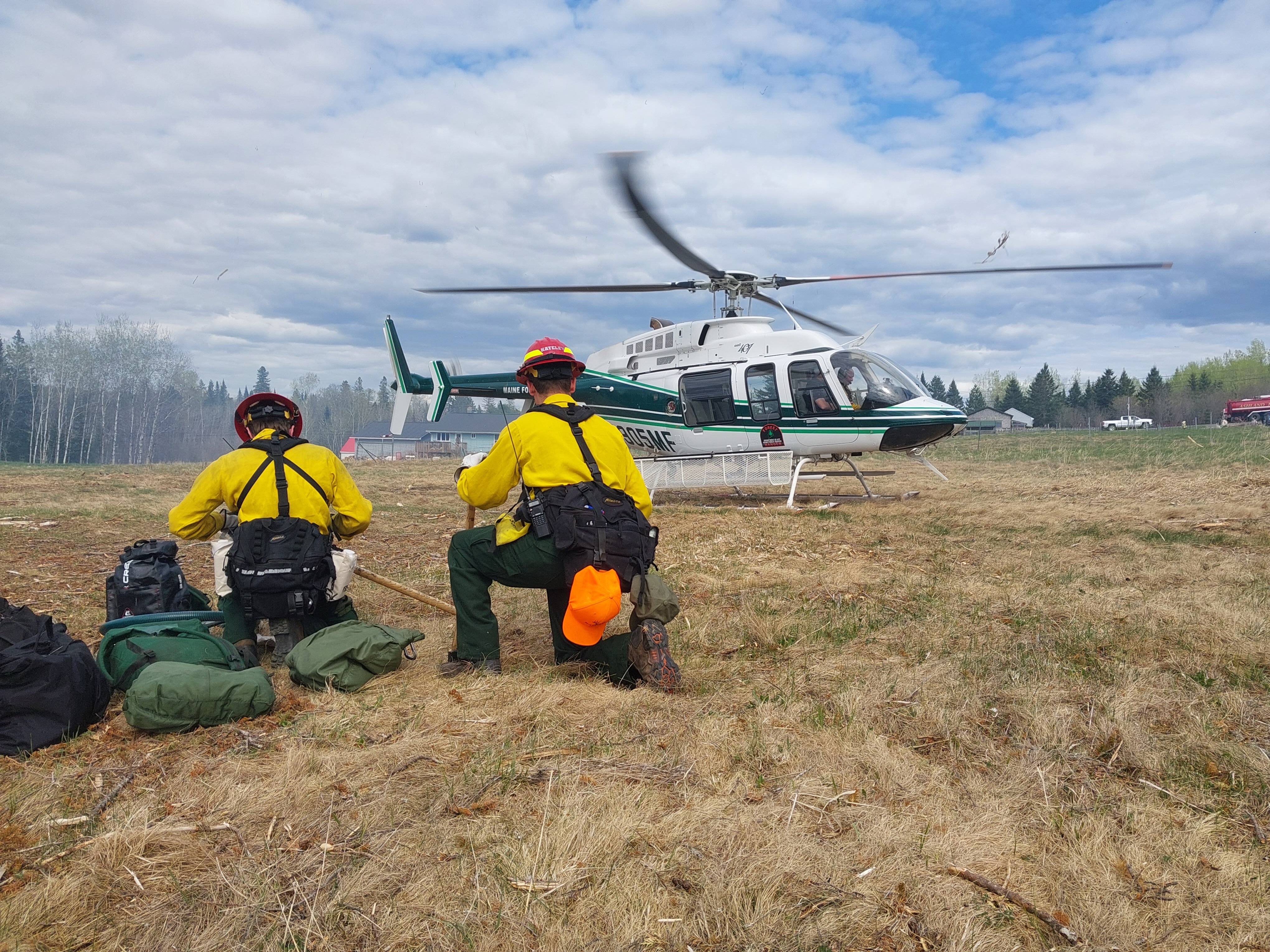
Curtis, a third-year student, grew up around firefighting. Her father was a structural firefighter, and she always wanted to follow in his footsteps. She came to Husson planning to study environmental science but switched to conservation law her freshman year after professor and program coordinator Lori Perez connected her with the Maine Forest Rangers for an internship working in wildland fighting.
Despite having nothing on her resume relating to firefighting, she applied to the Maine Forest Rangers and was accepted into the program. Curtis spent two summers with the Rangers. The first year was mostly foundational, focusing on building up her wildland fighting skills.
"I had no fire experience at all, I didn't even have any of the certifications you have to get before starting. So they pretty much taught me from ground zero all the way up," Curtis said. "My first year was a lot of just teaching me how to do everything. How to run a chainsaw, how to use a hand tool, how to run an engine. And I give a lot of props to the Maine Forest Service because they were so patient and so good at teaching."
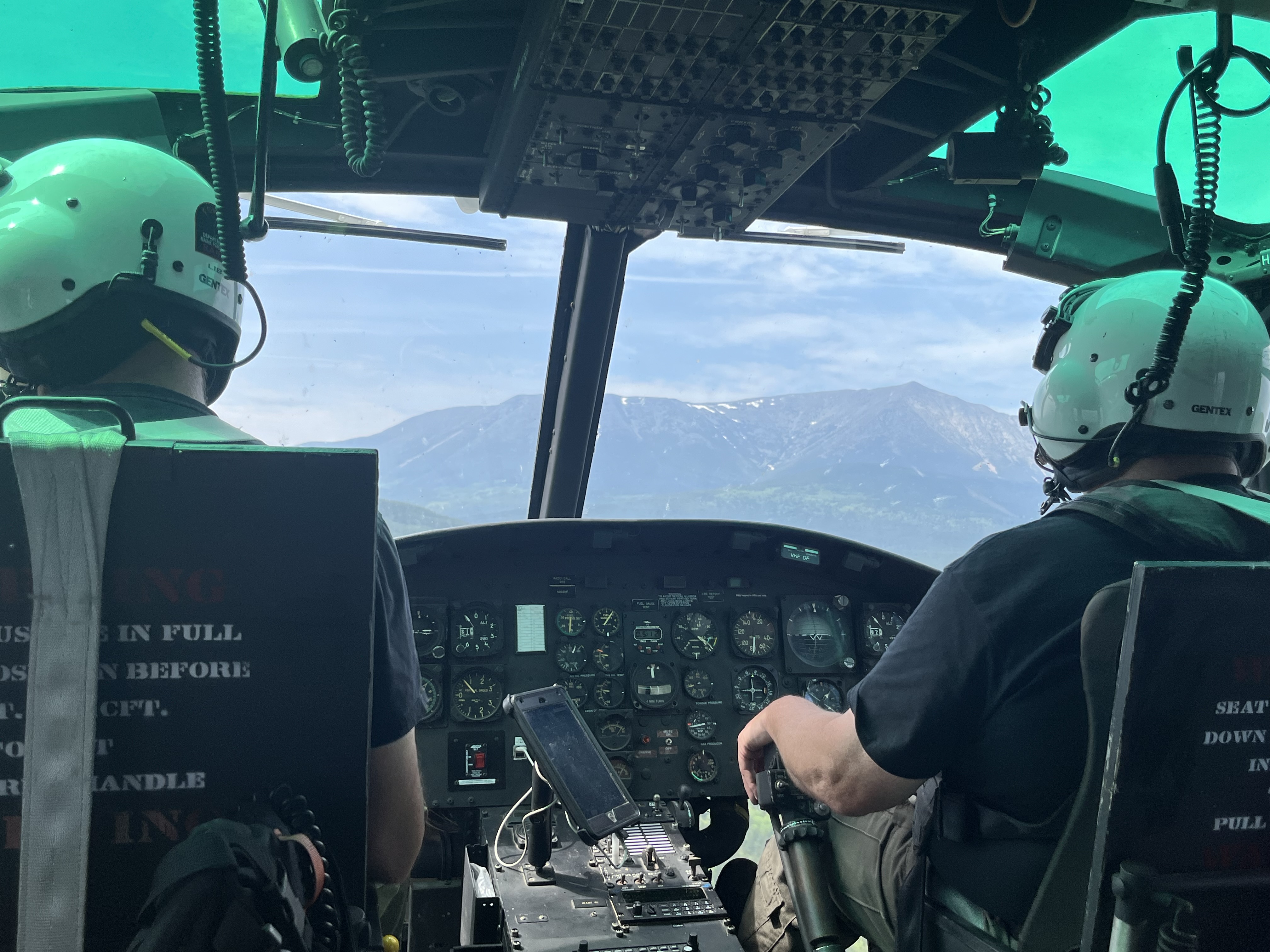
The internship brought her to the Western United States, where wildfires are often longer and more intense than on the East Coast. Crews from across the United States will travel out west to support local wildland crews during dry seasons when fires are more common.
That experience led Curtis toward pursuing a federal position. Perez, who worked as a certified Wildland Firefighter out west, helped Curtis navigate the application process. Curtis landed a spot on a helitack crew with the Bureau of Land Management in Wyoming.
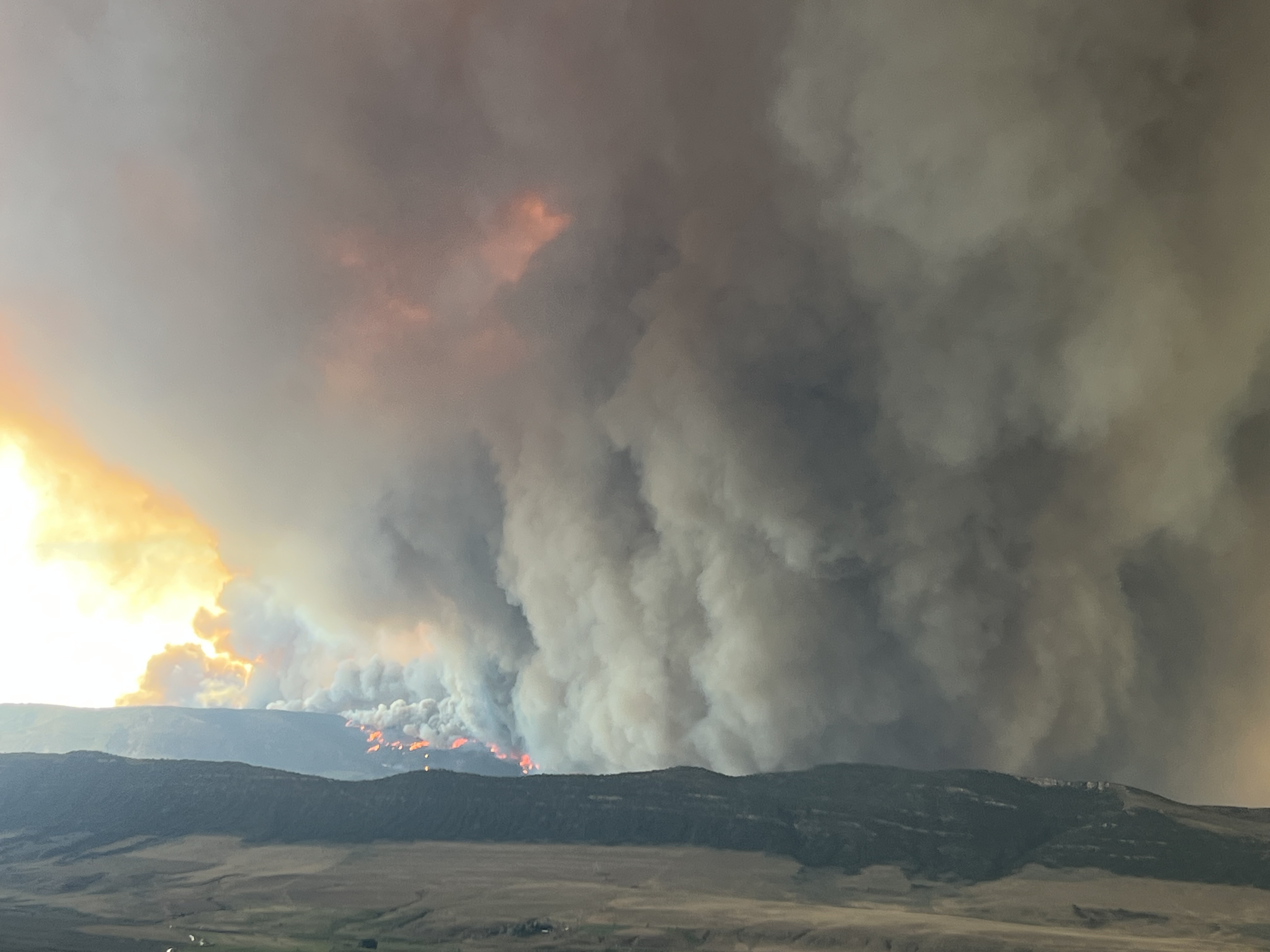
Helitack crews function as initial wildfire response units, typically first to arrive when a fire call comes in. Curtis worked as part of an 11-person crew attached to a single helicopter helping them reach wildfires in terrain inaccessible to engines or hand crews.
According to Curtis, Husson's conservation law program prepared her for the unique and stressful demands of working on a helitack crew, beyond the technical training.
"The professors here have taught me a lot about being able to step out of my comfort zone," Curtis said. “They put you in situations to learn how to manage stress.”
Perez sees Curtis’ successes as a product of Husson’s conservation law program working with federal agencies to create opportunities for students. Curtis is the first female student from Husson to work as a wildland firefighter on a federal helitack team.
"It's really Morgan who took that step to go to Wyoming by herself and to join a federal team," Perez said. "It's hard to get with those teams. For her to get that position is really impressive. Morgan has set the tone. She's something that Husson should be really proud of."
For Perez, who has been teaching conservation law at Husson for nearly 13 years, the agency partnerships are what make the program work. The Maine Forest Rangers have hired Husson students for their helitack team three years running, all women, and now help teach the wildland fire class required in the conservation law curriculum.
"I couldn't do the program I'm doing without the help of these agencies, it's a three-legged stool," Perez said. "It's our program, the students, and the agencies that trust what we're teaching, and they've been unbelievably supportive."
Curtis is returning to the same BLM helitack crew this summer as a seasonal federal employee. She plans to stay in the federal wildland firefighting world for the foreseeable future after graduation, but is considering eventually coming back to Maine to pursue a full time position with the Forest Rangers.
— Calvin White