

What Is Audio Engineering? A Guide to Recording, Mixing and Live Sound
Published on: April 14, 2026
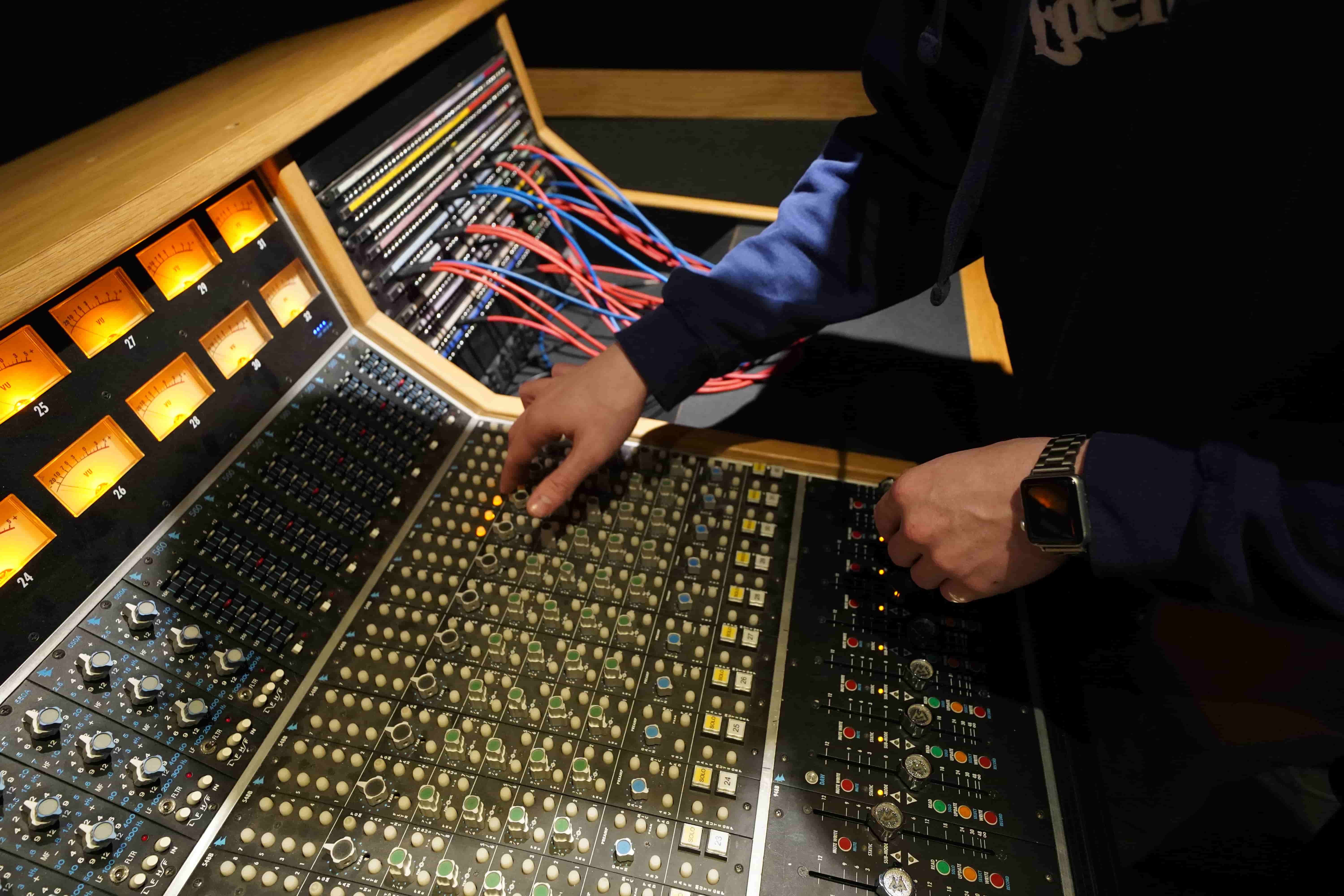
Whether you've watched a live concert, streamed a studio album or tuned into a podcast, you have heard the work of an audio engineer — even if you didn't know it. Audio engineering sits at the intersection of technology and creativity, shaping the sounds we hear every day.
Read on to discover what audio engineering actually involves, key areas of the field and what it takes to build a career in it.
Explore Our Audio Engineering Program
What Is Audio Engineering?
At its core, audio engineering is the technical practice of capturing, manipulating and reproducing sound. It covers everything from recording a vocalist in a studio to mixing a full band's live performance for thousands of people in an arena. Audio engineers work with a vast range of tools and equipment to control how sound is captured and heard, like:
- Microphones
- Mixing consoles
- Signal processors
- Digital audio workstations (DAWs)
The role of an audio engineer varies widely depending on the setting. For instance:
- In a recording studio, they're focused on getting the cleanest, most polished sound possible from every instrument and voice.
- In a live event environment, they manage real-time sound with no room for mistakes.
- In post-production, they're shaping audio for film, television or other media. No matter the context, audio engineers are essential to the music industry and beyond.
Key Areas of Audio Engineering
Audio engineering doesn’t entail a singular job; this is a broad field featuring several distinct specializations. Understanding the main areas helps clarify where your interests and strengths might lead.
Recording Engineering
Recording engineers work in studios alongside artists and producers to capture performances. Their job is to make sure every vocal take, guitar riff and drum hit is recorded with clarity and intention. This means:
- Choosing the right microphones for the job.
- Routing signal flow correctly.
- Setting appropriate sound levels so nothing gets lost or distorted in the process.
The best recording engineers have a thorough grasp of acoustics along with a sharp ear. They know how room placement affects sound, how different mic techniques change the character of an instrument and how to cultivate an environment where artists can perform their best.
Mixing and Post-Production
Once recording is complete, mixing engineers take all of those individual tracks and blend them into a cohesive whole. This involves balancing levels so each element sits in its proper place, applying effects like equalization (EQ), compression and reverb to shape tone and texture as well as making sure the final mix translates well across speakers, headphones and streaming platforms.
Most of this work happens inside digital audio workstations, or DAWs — software programs like Pro Tools, Logic Pro or Ableton Live. Proficiency with these tools is vital for anyone working in mixing or post-production. However, technical skill alone isn't sufficient. Great mixing also requires trained ears and a clear artistic vision.
Live Sound Engineering
Live sound engineers manage audio for concerts, corporate events, theater productions and any other setting where sound needs to be amplified for an audience. They're responsible for setting up and operating the full sound system, from microphones and monitors to amplifiers and speakers.
What makes live sound uniquely challenging is that everything plays out in real time. When something goes wrong — e.g., a feedback squeal, a dropped signal, a monitor that suddenly cuts out — the engineer has to troubleshoot fast without disrupting the performance. This high-stakes work rewards both technical knowledge and calm problem-solving under pressure.
Audio Engineer Jobs and Career Paths
The realm of sound engineering opens doors to a variety of audio engineer jobs, depending on where you aspire to work and what kind of sound you want to work with. Here's a look at some of the most common career directions:
Recording Studio Careers
Recording studio careers are often what people picture when they think of audio engineering. The most common roles include:
- Studio audio engineers oversee full recording sessions, working directly with artists and producers to capture and shape sound.
- Assistant engineers support the lead engineer by handling setup, gear maintenance and session logistics — a common entry point into the field.
- Sound editors work primarily in post-production, editing recorded audio for clarity and continuity.
Live Event and Touring Roles
If you're drawn to the energy of live performance, there exist several audio engineer jobs in the touring and events space:
- Live sound technicians handle setup, operation and breakdown of sound systems at events of all sizes.
- Front of house (FOH) engineers manage the main mix that the audience hears, typically from a console positioned in the middle of the crowd.
- Monitor engineers control the stage monitors that allow performers to hear themselves clearly during a show.
Music Industry Careers Beyond the Studio
Audio engineering skills also translate into numerous music industry careers outside of traditional studio or live settings:
- Broadcast audio engineers/technicians work in radio, television or podcasting to manage sound quality for on-air and digital content.
- Film and video game sound designers create and implement audio experiences for visual media and interactive entertainment.
- Post-production specialists handle audio editing, sound mixing and quality control for film, TV and digital content projects.
Skills Needed to Succeed in Audio Engineering
Thriving in audio engineering calls for a mix of technical ability and creative intuition. The most effective engineers develop both sides of their skill set over time.
Technical Skills
On the technical side, audio engineers need a strong understanding of sound equipment and signal flow — knowing how audio travels from a microphone through a mixing board and out to speakers. Proficiency with DAWs and audio software is equally important, as nearly all modern recording and post-production work runs through these platforms. A working knowledge of acoustics and sound design rounds out the technical foundation.
Creative and Critical Listening Skills
Technical tools only go so far. What separates a good engineer from a great one is the ability to truly hear what a recording needs and shape it accordingly. This means paying close attention to every detail in a mix — from how instruments sit together to how a vocal's room tone affects the overall feel. Developing these ears takes time and intentional practice.
Communication and Collaboration
Audio engineers seldom work in total isolation. Whether in a studio session with an artist, a production meeting with a film crew or a venue soundcheck with a touring band, clear communication is crucial. The music industry moves fast, and environments can shift quickly. Thus, the ability to adapt and stay solutions-focused while collaborating with others is a skill that pays dividends throughout your career.
How to Start a Career in Audio Engineering
For those willing to put in the work, here’s a general path forward when it comes to getting started in audio engineering:
- Learn the fundamentals of audio engineering and sound production. Before touching expensive equipment, get familiar with the basics: how sound works, how signal flow functions and the core tools of the trade.
- Enroll in a formal training program or degree. A structured curriculum gives you access to professional gear, experienced instructors and a framework for developing real skills efficiently.
- Gain hands-on experience in studios or live sound settings. Classroom knowledge is only part of the equation. Time in real sessions and at live events is where your skills get tested and sharpened.
- Build a portfolio of work and network within the music industry. Employers and clients want to hear what you've done. Document your projects, collect references and connect with other professionals in the field.
Is Audio Engineering the Right Career for You?
Audio engineering is a fulfilling path for passionate professionals, though it's not for just anyone. This tends to be a suitable fit for people who share a few common traits:
- A genuine passion for music, sound and technology — not just as a hobby but as something you want to spend your professional life working with.
- An interest in both creative and technical work, as the job requires you to think like an artist and an engineer at the same time.
- A desire to work in environments that keep you on your toes, whether that's the controlled intensity of a recording studio or the adrenaline of a live event.
- An eye on long-term growth, since music industry careers in audio engineering can branch into recording studios, touring, broadcasting, film and much more.
If that sounds like you, audio engineering might be exactly the right direction.
Engineer Your Future at Husson University
Audio engineering is a field built on equal parts passion, skill and practice. From recording studio careers to live event work to post-production and beyond, audio engineer jobs exist across nearly every corner of the entertainment and media industries. No matter if you're just starting to explore what audio engineering is or if working with sound has been calling your name for years, the right training program can make all the difference.
At Husson University, our audio engineering program gives students the hands-on experience they need to enter the field with confidence. Through real studio work, live sound training and mentorship from working professionals, our Bachelor of Science in Audio Engineering prepares graduates for the full range of music industry careers available to skilled engineers. Plus, you have the chance to partner with your peers in our student chapter of the Audio Engineering Society.
Request more information about this degree program to take the first step toward turning your passion for sound into a career.
Explore Our Audio Engineering Program
Back to All Articles