
Skip to Top Navigation Skip to Content Skip to Footer
A sea turtle swimming underwater.

Aquatic Animal Care Certificate

Undergraduate Certificate in Aquatic animal care

Quick Facts

Total Credit Hours: 12
Tuition: $448 per credit hour*

REQUEST INFO APPLY NOW

Undergraduate Certificate in Aquatic Animal Care
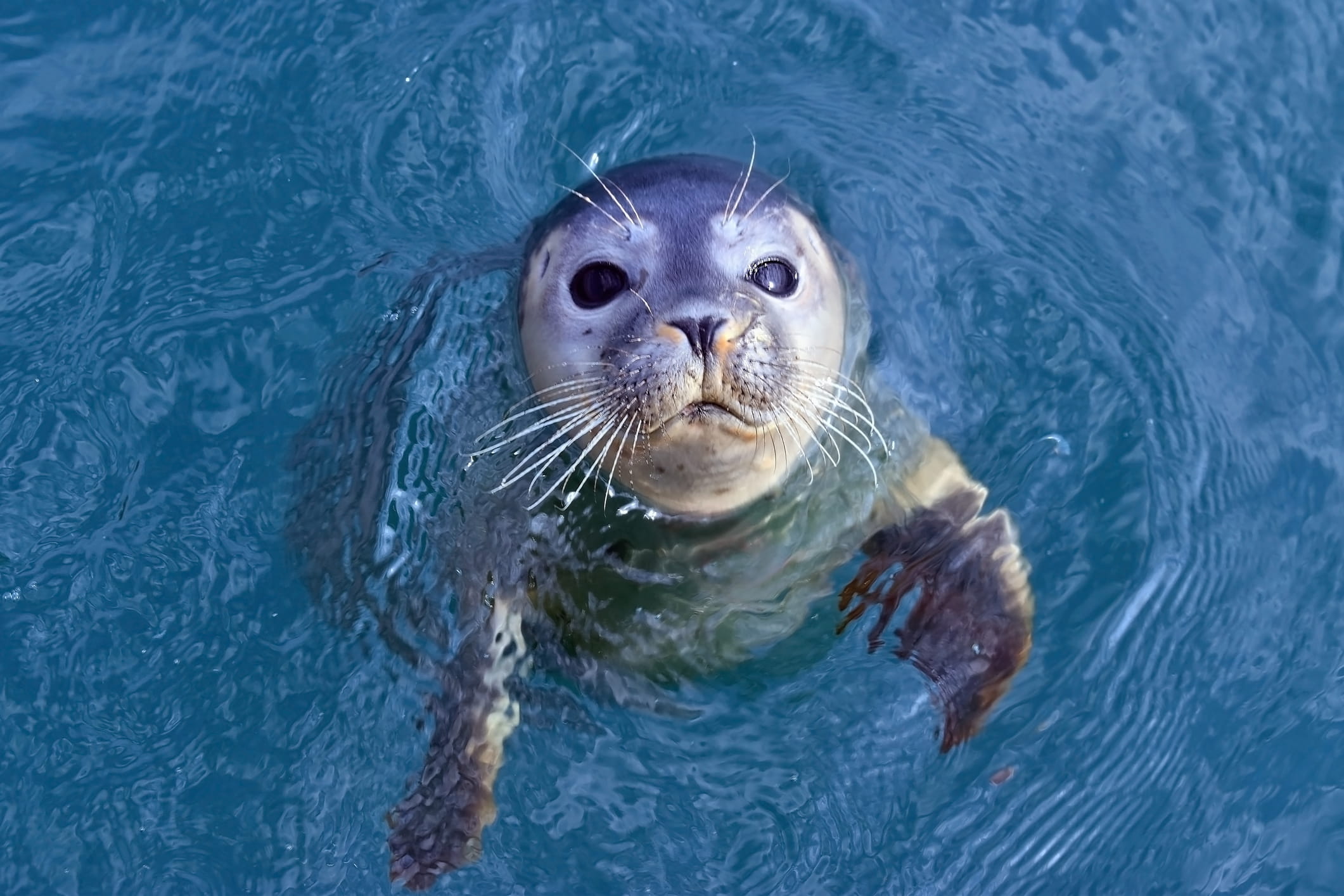
Young seal floating in water.The online Certificate in Aquatic Animal Care at Husson University is designed for those who are passionate about the wellbeing of marine and freshwater animals. Whether you are looking to work in an aquarium, marine rehabilitation center, or conservation facility, or simply want a specialized credential for your career, this program provides the skills and expertise you need for professional success.

Through this 12-credit, 100% online program, you will learn about the unique needs of aquatic species, with an emphasis on safe handling, transport, nutrition, health and disease management, and the design of sustainable habitats. While this certificate makes for a great credential for anyone who wants to work with aquatic animals, it's also an ideal addition if you are enrolled in one of Husson's online wildlife and animal-care programs.

REQUEST INFOAPPLY NOW

*All rates subject to change

Husson-Online_2021-0504_HU-Online-192x98-pixels.png

Upcoming Start Dates

Aug. 31, 2026

Multiple start dates throughout the year
Pause for a term for added flexibility


Apply Now

Request Info

Aquatic animal care Certificate Courses

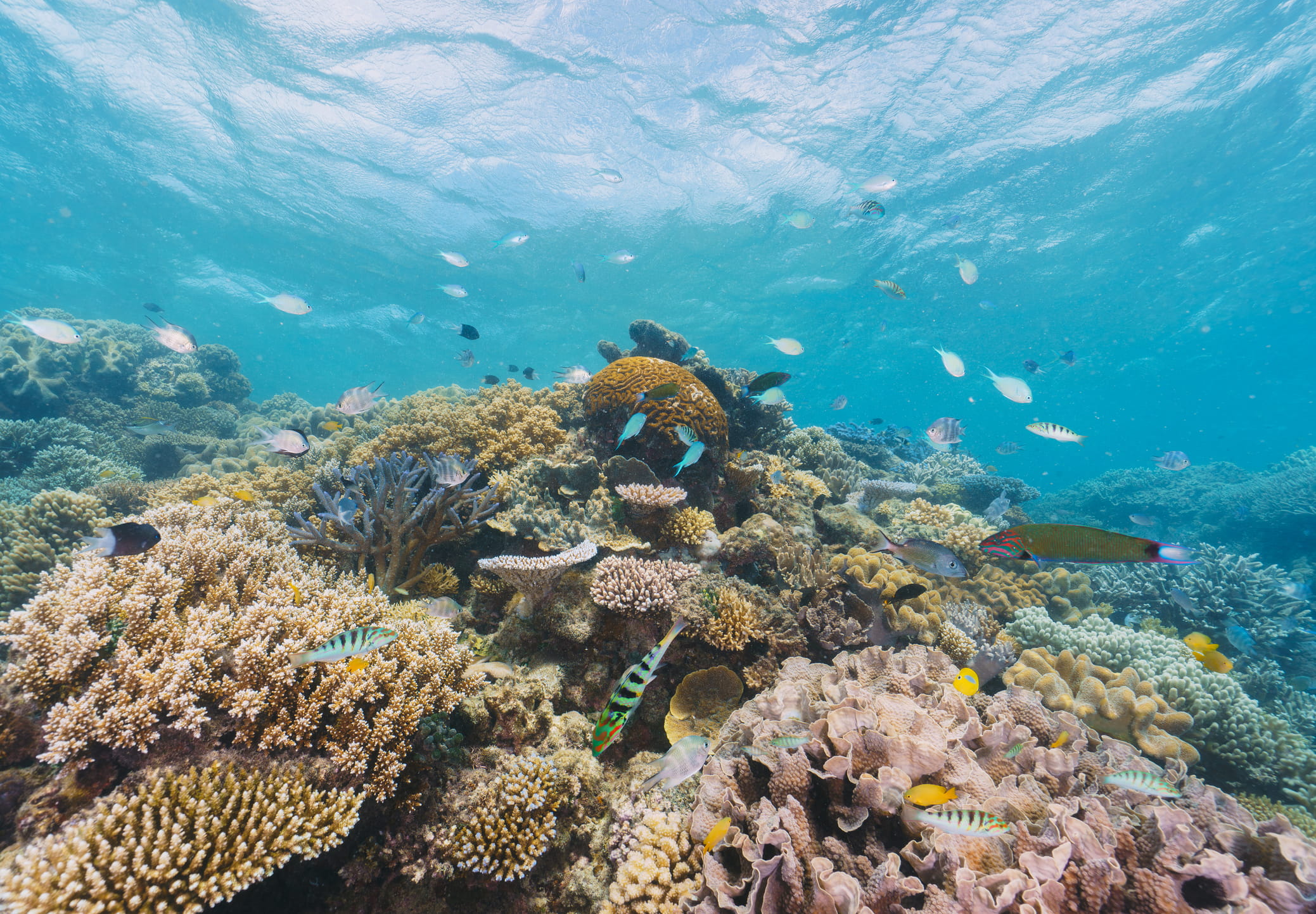
Fish swimming around a coral reef.

The program consists of four core courses designed to build a foundation in animal studies before diving into aquatic-specific expertise.

AB 101: Foundations of animal studies 

In this course, you will examine different fields and occupations within the animal studies field as well as the types of work that are included in each of these industries. You'll also explore emerging perspectives in the field and the future of animal science in the global community.

AB 201: Animal Behavior 

In this course, you will study animal behavior through biological and psychological lenses. Deep exploration into the behavior of a species of your choosing complement examples of many species through the coursework. You'll design and conduct an ethogram study on a species informed by factors that impact behavior, types and categories of behavior, applied behavior, and animal emotion and cognition. 

AB 325: Aquatic animal care 

This course introduces you to principles and practices in the care, management, and welfare of aquatic animals across marine and freshwater environments. You will apply behavioral, health, and welfare principles to the professional care of aquatic animals in captive, rehabilitation, and conservation settings, and will assess indicators of welfare to inform care decisions.

AB 425: aquatic animal habitats

This advanced course focuses on the design, assessment, and management of aquatic habitats that promote species-specific welfare and ecological sustainability. You will apply sustainability and welfare standards to design aquatic habitats that promote species-specific welfare and ecological balance, and explain the environmental, behavioral, and technical factors that influence habitat performance and animal wellbeing.

View Courses

Career Outlook for Aquatic Animal Care Professionals

With a Certificate in Aquatic Animal Care, you are well-positioned to pursue roles in aquariums, marine animal rehabilitation centers, zoos, conservation organizations, research institutions, and aquaculture and fish hatcheries.

Faculty Spotlight


Haley beer, Ph.D., m.s.

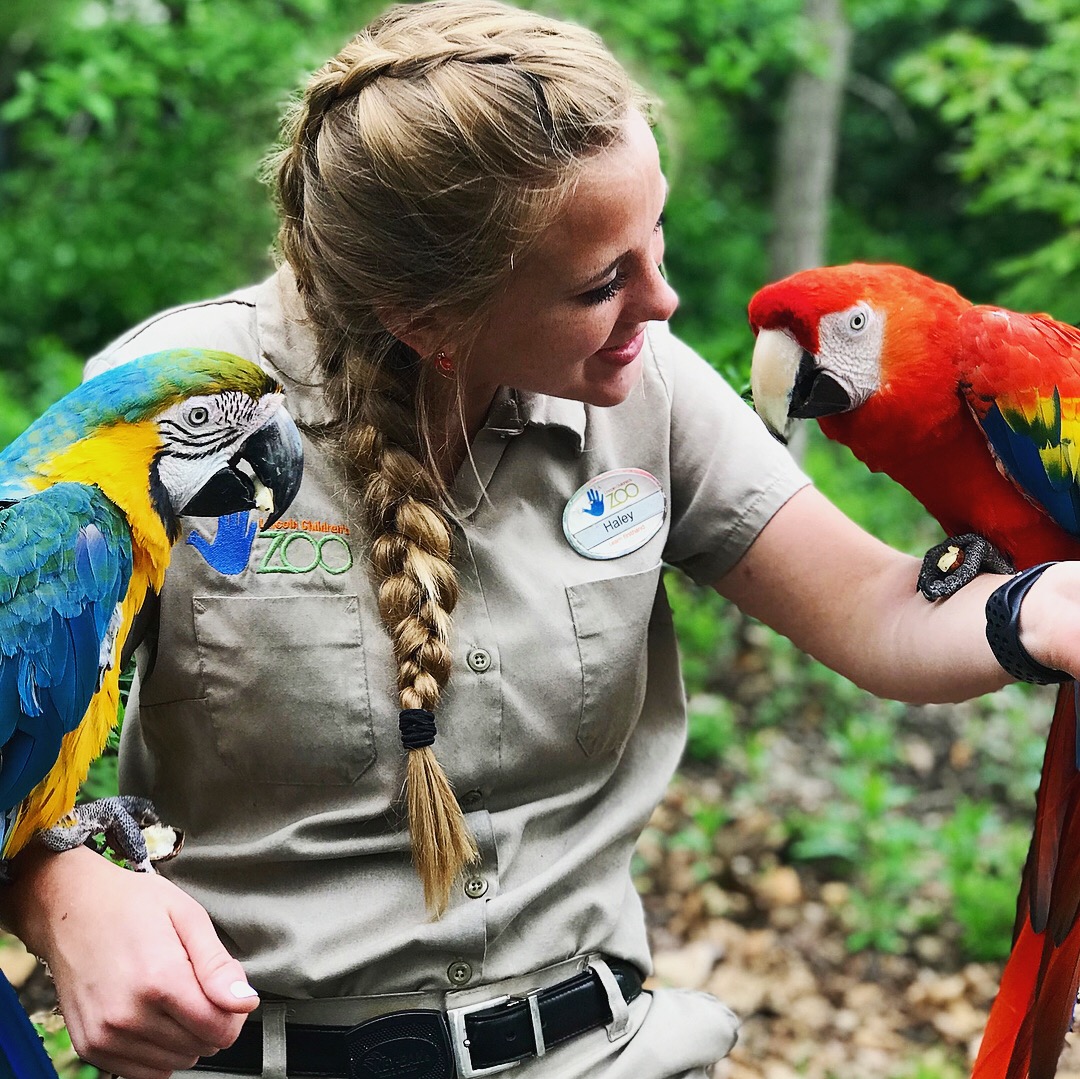
Image of Haley Beer, a faculty member at Husson University.

Haley Beer, Ph.D., M.S., is an animal scientist and entrepreneur whose work focuses on improving animal welfare in human-managed environments, particularly in zoological settings. From Nebraska, Haley earned both her M.S. and Ph.D. in Animal Science from the University of Nebraska–Lincoln. Her graduate research examined stress physiology in giraffes and behavioral assessment in cheetahs, which included international fieldwork and collaborations across zoological institutions.

Before beginning her graduate studies, Dr. Beer worked as a zookeeper, where the realities of daily animal care helped shape her long-term interest in improving welfare through both research and applied practice. She now serves as an instructor and continues to collaborate with Omaha’s Henry Doorly Zoo and Aquarium on innovative research exploring the use of machine learning for noninvasive, autonomous monitoring of animal behavior in western diamondback rattlesnakes.

Haley is also the co-founder and chief science officer of Etholytics, a company focused on developing tools that help animal care teams monitor behavior and assess welfare more consistently. Her goal is to translate emerging technologies into practical solutions that support earlier, more informed management decisions and ultimately improve quality of life for animals in human care.

In her free time, Haley enjoys preparing fresh “chop” (a finely mixed blend of fresh vegetables, grains and legumes) for local parrot owners, including her own lively flock of five parrots.


Frequently Asked Questions (FAQS)

accredited-institutions-2022.png

Husson University has been approved to participate in the National Council for State Authorization Reciprocity Agreements.

Apply Now Request Info

For more information

Name
Phone and Email Address
Online Enrollment Counselor Online Enrollment Counselor

207.992.1972
online@husson.edu
Peabody Hall
1 College Circle
Bangor, Maine 04401