Skip to Top Navigation Skip to Content Skip to Footer
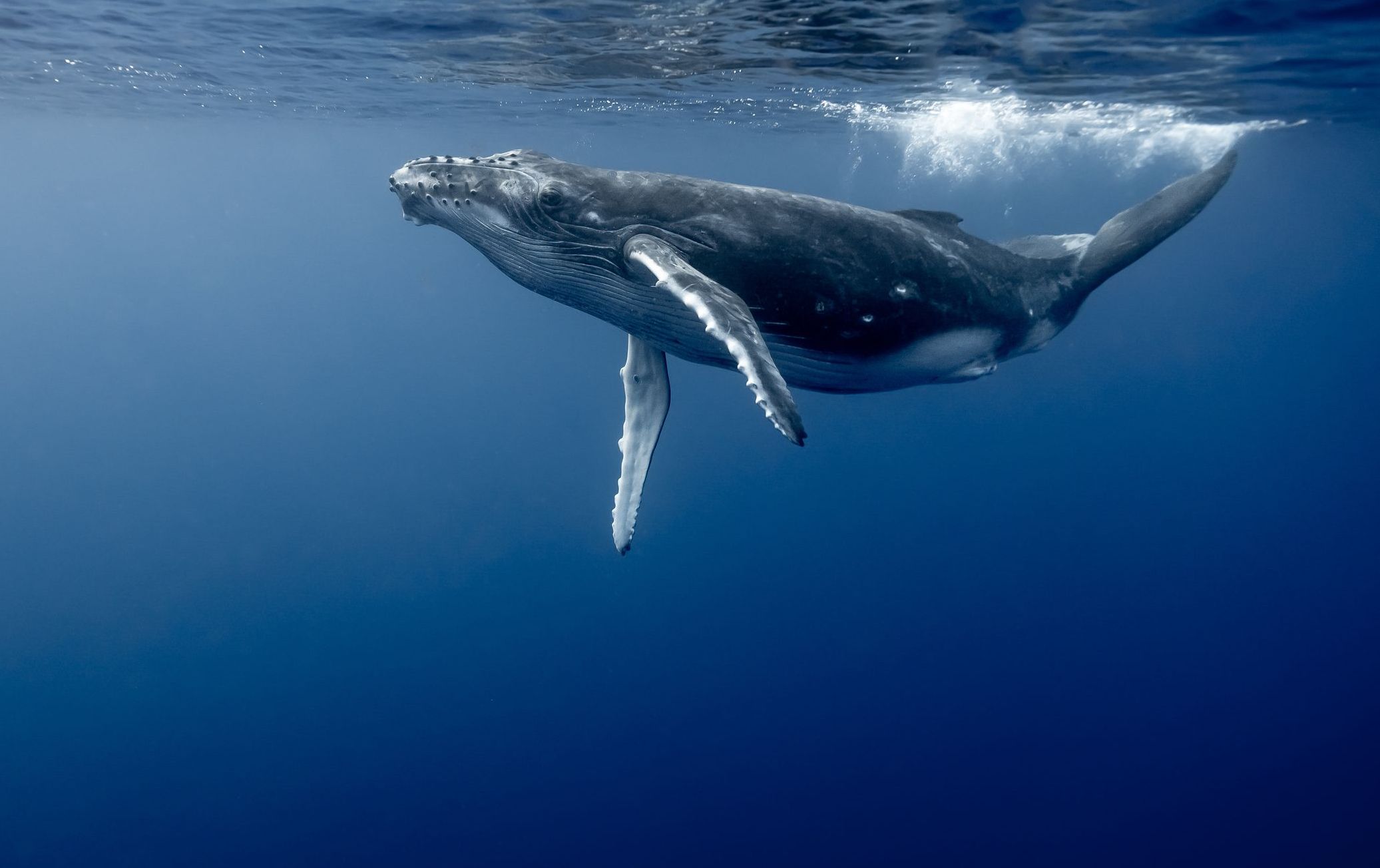
Whale swimming underwater.

Marine Biology and Conservation

Marine Biology and Conservation

Bachelor of Science

Quick Facts

Total Credit Hours: 120
Time to Completion: 12-48 months*
Tuition: $448 per credit hour**

REQUEST INFO APPLY NOW
Bachelor of Science

Online Marine Biology and Conservation Degree

Explore the wonders of marine life and lead the charge in protecting our blue planet. 100% online. 100% career-focused.

The ocean is Earth’s greatest mystery and its most vital resource. From the complex social structures of marine mammals to the microscopic organisms that fuel our atmosphere, the study of marine biology is a journey into the heart of our planet's survival.

At Husson University, our Bachelor of Science in Marine Biology and Conservation is designed for those who don’t just want to study the ocean—they want to conserve it. We’ve built a program that bridges the gap between biological fascination and professional environmental stewardship. Our expert faculty bring expertise in marine environments directly to you through an accessible online format. Whether you are an adult learner seeking a career change or a student looking for flexibility, you can now earn a rigorous marine science degree from anywhere in the world.

Prepare for a career in marine biology and conservation

Husson-Online_2021-0504_HU-Online-192x98-pixels.png

Upcoming Start Dates

Aug. 31, 2026

Multiple start dates throughout the year
Pause for a term for added flexibility


Apply Now

Request Info

What You Will Learn

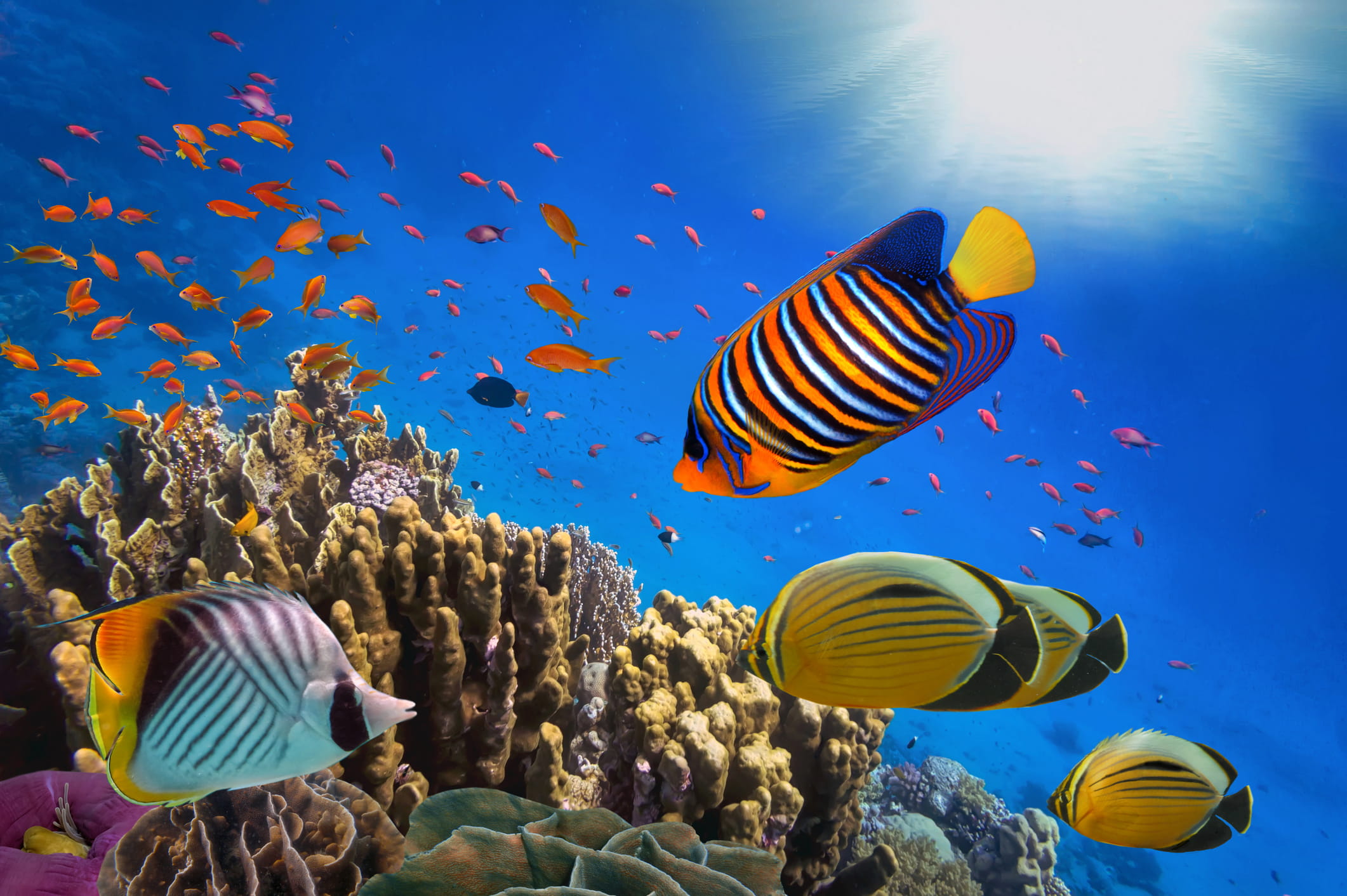
Fish swimming in the ocean.

Our curriculum is built on the belief that to protect an ecosystem, you must first understand it deeply. You will move from identifying species to designing the complex strategies required to keep them alive.

Students in this program will:

  • Identify & Classify: Explore the biodiversity of coastal marine organisms using taxonomy and biogeography.
  • Analyze Ecosystems: Apply oceanographic principles to understand how marine environments function as a whole.
  • Analyze Field Data: Use geospatial (GIS) techniques to track wildlife populations and map critical habitats.
  • Lead Conservation Strategies: Integrate ecological, social, and economic data to build management plans for marine protected areas.
  • Advocate for Change: Master the art of communicating scientific data to the public and policymakers to drive stewardship.

Request Info Apply Now

*Time to completion varies based on allowable transfer credits from any prior undergraduate coursework. **All rates subject to change. Please see Cost and Aid for more information.

Why Husson Online

Start When You're Ready


Time-to-Start.png 

Multiple start dates and no set class times or locations.

View Flexible Start Dates

Experiential Learning


experiential-learning.png 

Gain even more real-world experience.


Read about internship benefits

Academic Support


academic-support.png 

Reach your goals with our personalized online support services.

Explore Student Support Services

Courses you will take:

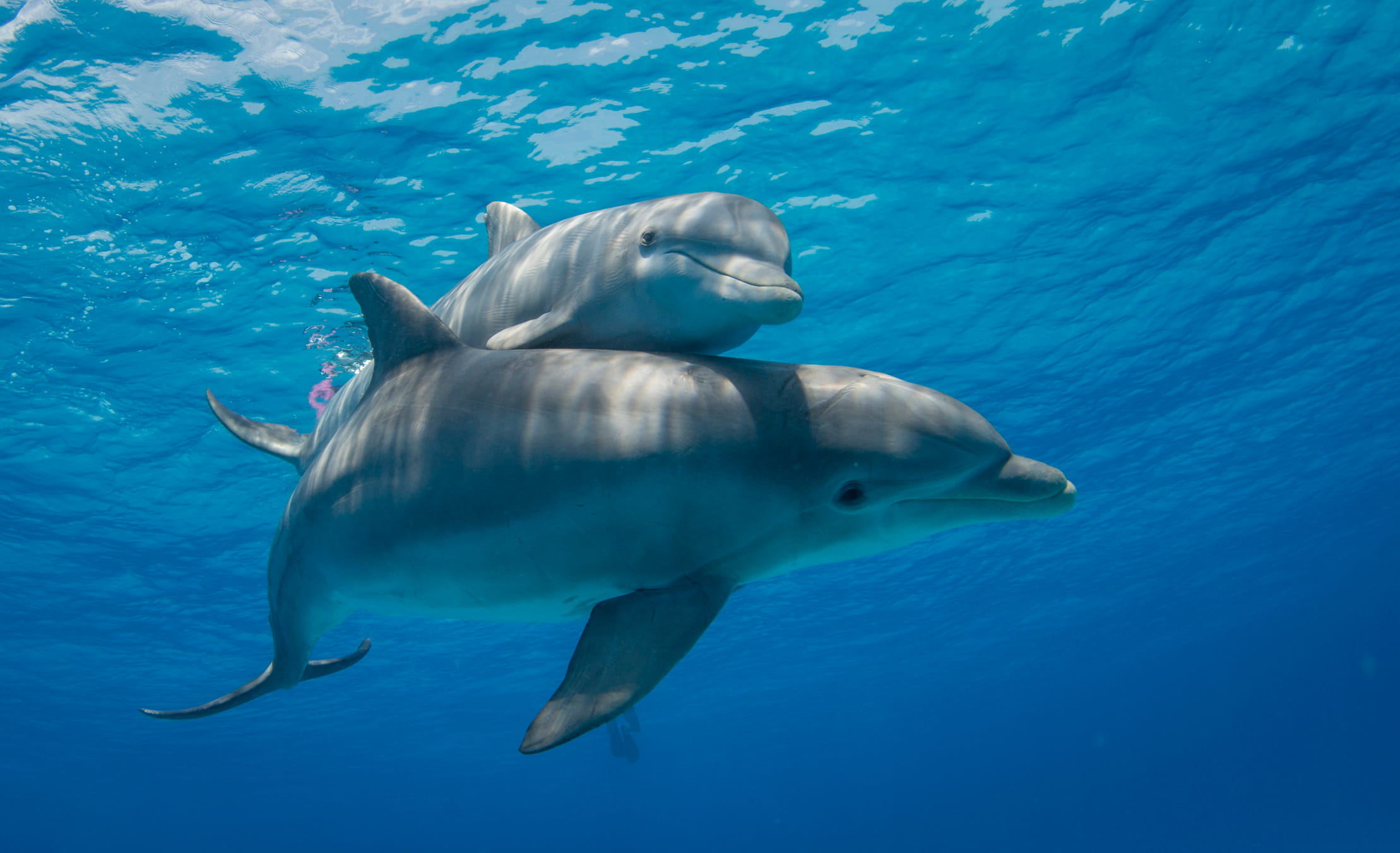
Two dolphins swimming underwater together.

Your coursework spans the breadth of marine science, emphasizing the preservation of the world's most vulnerable habitats.

  • Marine Vertebrates: Study the biology, behavior, and conservation of mammals, seabirds, and fishes.
  • Marine Ecology & Conservation: Focus on the delicate balance of marine life and the modern threats of climate change and overfishing.
  • Oceanography: From Currents : Understand the physical and chemical forces that govern ocean life.
  • Marine Policy & Resource Management: Explore the laws and regulations that protect our oceans.
  • Wildlife Biology and Conservation Capstone: Solve a real-world conservation challenge through a final, guided research project.

*Student’s curriculum will depend upon which credits are transferred.

Your Career Begins Here


How to Apply

The admissions process breakdown

Learn How to Apply to Husson


Tuition

An affordable education to help you increase your earnings potential


View Tuition Costs and Fees


Financial Aid

Explore ways to help cover costs of your degree


Learn How to Reduce Your Costs

Career Outlook for Marine Biology Majors

The intersection of marine biology and conservation is one of the most critical fields of the 21st century. From nonprofit organizations working to preserve marine environments to fisheries seeking a more sustainable future, the need for trained marine biologists and conservationists has never been higher.

Faculty Spotlight


Erin Owen, Ph.D., MS

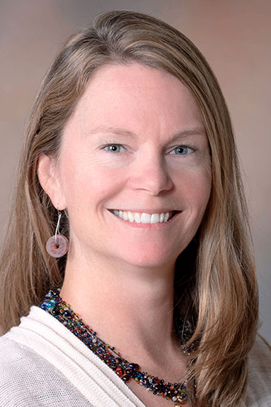
Erin Owen's faculty image.Erin Owen is a marine biologist whose work has taken her from the icy waters of Antarctica to the productive fisheries of the Gulf of Maine. She earned her Ph.D. in Marine Biology from the University of Maine, where she studied the biology of sea scallop populations in one of the region’s most important fisheries. Her training also includes fieldwork on zooplankton communities in the Weddell Sea, Antarctica as part of her M.S. degree from Scripps Institution of Oceanography in San Diego, California, and laboratory studies on the effects of rising temperatures on zooplankton for her undergraduate thesis at Wellesley College.

Today, Erin serves as director of online sciences at Husson University, where she leads the development of innovative science programs designed to make rigorous scientific training accessible to students across diverse locations and learning environments. She is especially passionate about bringing the energy of hands-on scientific discovery and practical application into online learning through offering courses that connect students with real-world data, field-based case studies, and the tools scientists use to study living systems.

Throughout her career, Erin has combined research, teaching, and outreach across college classrooms, marine field labs, and collaborations with K-12 educators in Maine public schools. Her work has been supported by fellowships and grants from the National Science Foundation (Graduate Research Fellowship and NSF STEM K-12 Fellowship), Woods Hole Oceanographic Institution, the Island Institute, Maine Sea Grant, and the The Explorer’s Club.


Frequently Asked Questions (FAQs)

Transfer Made Easy

You're not alone. Hundreds of students transfer to Husson each year, some with just a few college credits, and others looking to transform an Associate's degree to a Bachelor’s or a Master’s. Best of all, you can transfer up to 90 credits toward your undergraduate degree or nine credits toward your graduate degree. We’ll be with you every step of the way to ensure you’re more than ready for the rewarding future you have in mind.

Whether you are transferring from a community college, looking to maximize your transfer credits, or trying to find an affordable school, Husson Online is a great choice.

Transfer Up To 90 credits
accredited-institutions-2022.png

Husson University participates in the State Authorization Reciprocity Agreements.

Apply Now Request Info

For more information

Name
Phone and Email Address
Online Enrollment Counselor Online Enrollment Counselor

207.992.1972
online@husson.edu
Peabody Hall
1 College Circle
Bangor, Maine 04401