Skip to Top Navigation Skip to Content Skip to Footer
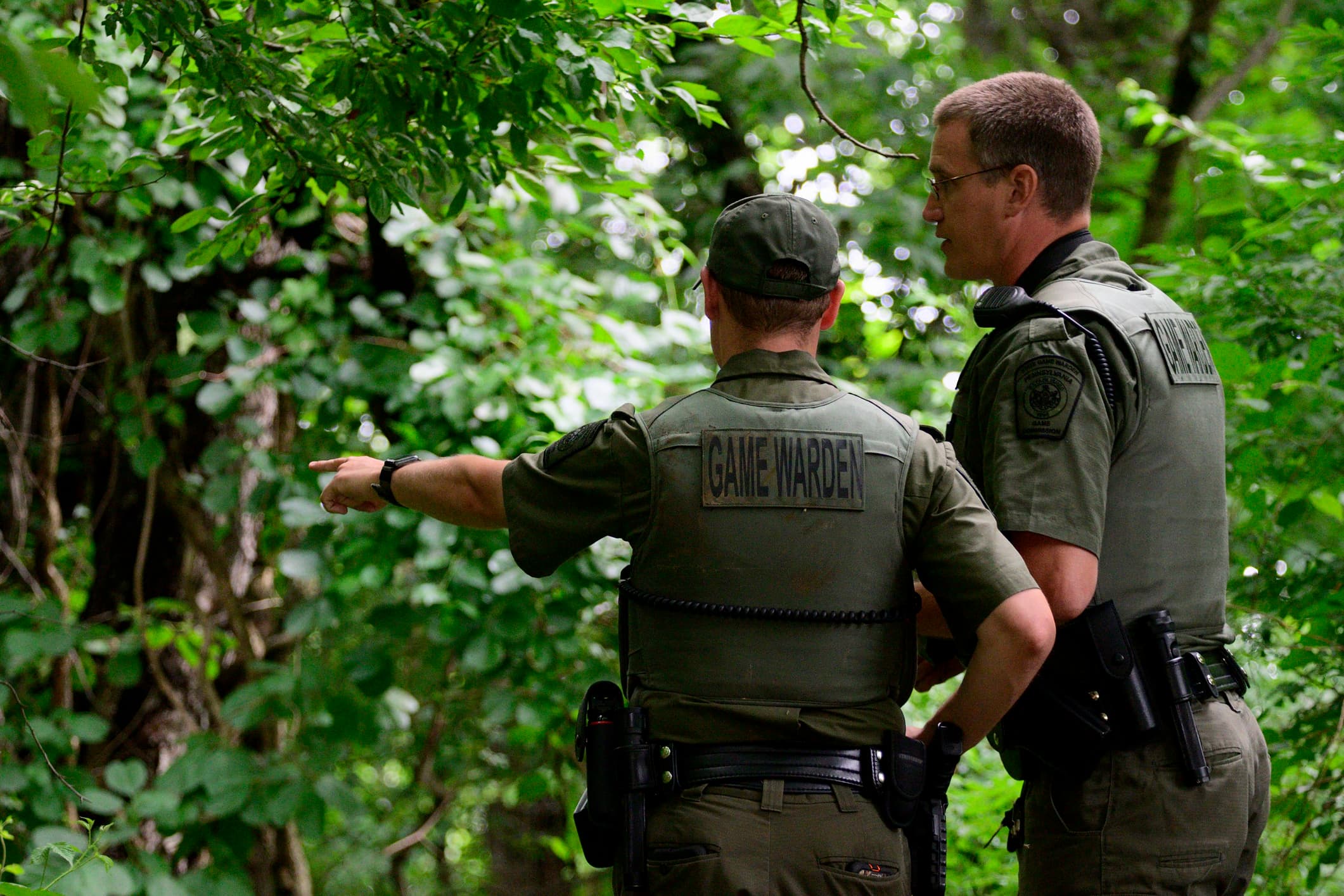
Two officers talk the forest while one points to something

Conservation Law Enforcement

Conservation Law Enforcement

Bachelor of Science

Quick Facts

Total Credit Hours: 121-122
Time to Completion: 12-24 months*
Tuition: $448 per credit hour**

REQUEST INFO APPLY NOW
Bachelor of Science

Conservation Law Enforcement Online

If you are passionate about wildlife conservation and public safety, Husson University’s online Bachelor of Science in Conservation Law Enforcement provides the rigorous, applied training you need. Designed for both working professionals and outdoor enthusiasts looking to turn their interest into a career, this program offers the flexibility of online learning without sacrificing the hands-on experience required to be successful in this career field.

You will learn from faculty who aren’t just academics—they are experienced professionals with years of real-world service in conservation and law enforcement. Through case studies, investigations, and field-based assignments, you will master everything from wildlife trafficking to criminalistics. At Husson, we bridge the gap between classroom theory and professional practice, ensuring you graduate ready to hit the trail.

Conservation Law Enforcement Program Highlights 

Husson-Online_2021-0504_HU-Online-192x98-pixels.png

Upcoming Start Dates

Aug. 31, 2026

Multiple start dates throughout the year
Pause for a term for added flexibility


Apply Now

Request Info

What you will learn

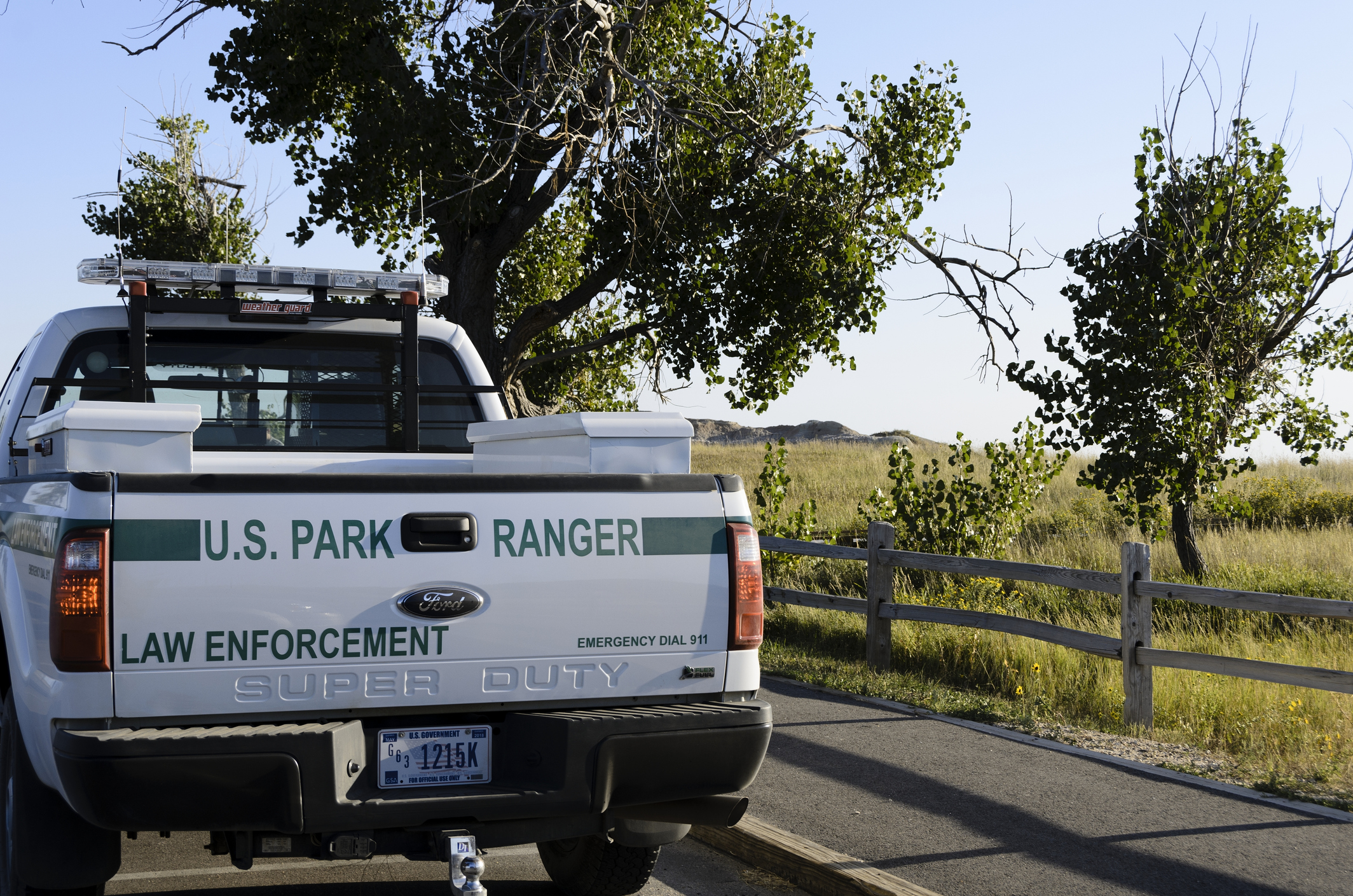
Park ranger truck.

Our curriculum is built on the core theories of criminal justice and the specialized science of conservation. You will learn to handle the complex challenges of protecting natural resources while maintaining public safety. 

Through this program, you will learn to:

  • Enforce Conservation Law: Master the administration of justice, including wildlife and marine law, investigations, and report writing.

  • Lead with Ethics: Apply legal and ethical principles to make critical decisions in the field.

  • Navigate Investigations: Conduct criminal investigations using modern criminalistics and interviewing techniques.

  • Protect Biodiversity: Understand the foundations of conservation biology and wildlife identification.

  • Communicate Effectively: Develop the professional communication skills needed to work with diverse teams and the public.

  • Problem Solve: Use quantitative and qualitative tools to evaluate field scenarios and create safe, effective outcomes.

Request Info Apply Now

*Based on a student transferring in between 60-90 credits. **All rates subject to change. Please see Cost and Aid for more information.

Why Husson Online

Start When You're Ready


Time-to-Start.png 

Multiple start dates and no set class times or locations.

View Flexible Start Dates

Experiential Learning


experiential-learning.png 

Gain even more real-world experience.


Read about internship benefits

Academic Support


academic-support.png 

Reach your goals with our personalized online support services.

Explore Student Support Services

Courses you will take

Our courses are designed to be application-based, using scenarios that translate directly to your career.

CON 200: Wildlife Law Enforcement

This course analyzes the constitutional underpinnings of state and federal wildlife laws, including the Lacey Act, Migratory Bird Treaty Act and the Endangered Species Act. You will learn how to interpret and apply the substantive law and the broad influences on the field. It explores current impact wildlife issues have on the resource and law enforcement.

CON 346: North American Wildlife/Fisheries Identification

This introductory course emphasizes the identification of North American wildlife species through both direct observation and indirect evidence. It covers key aspects of biology, life history, and ecological interactions of selected species, alongside an examination of the social, political, and economic factors shaping wildlife conservation and management. You will analyze scientific data relevant to management decisions and develop communication skills focused on wildlife biology and conservation practices.

CON 426: Wildlife Trafficking

This course provides an overview of the world’s wildlife and conservation crime problem from both a global and United States perspective. Wildlife crime is a growing business for many organizations, including transnational organized crime groups and some terrorist organizations. Discussion in this course will progress from a broad overview of wildlife and conservation crime to a more localized perspective that encompasses the full spectrum of social, political, and economic issues affecting wildlife and biodiversity.

CON 428: Conservation Law Investigations

This course introduces you to important aspects of conservation law/wildlife crime scene processing, and case preparation. The range of subjects will include but not be limited to; gathering information and evidence in an outdoor crime scene, preparing evidence for analysis, field notes, forensics, preparation of crime scene diagrams, and investigative report writing. You will conduct a final wildlife crime investigation towards the end of the course.

CJ 105: Wildland Fire

This course provides you with a comprehensive introduction to the Incident Command System(ICS) and National Incident Management System (NIMS), covering essential topics such as suppression strategies, incident response, and a introductory understanding of fire behavior. Participants engage in components of the S-130/190 wildland firefighting training certification, including hands-on field exercises. The curriculum goes beyond the basics, exploring the latest advancements in fire management programs, cutting-edge science, technological innovations, and safety practices. Through an examination of public policy impacting fire management decisions and a review of past incidents, the course places a strong emphasis on safety and prevention. Designed to be responsive to emerging trends, this course ensures that you are thoroughly equipped to navigate the evolving challenges in wildland firefighting.

Why Husson Online


How to Apply

The admissions process breakdown

Learn How to Apply to Husson


Tuition

An affordable education to help you increase your earnings potential


View Tuition Costs and Fees


Financial Aid

Explore ways to help cover costs of your degree


Learn How to Reduce Your Costs

Career Outlook for Conservation Law Enforcement Majors


Upon completing this program, you will be prepared for a variety of important roles, such as running a patrol as a state game warden, managing park safety as a park ranger, or leading federal investigations as a special agent. Whether you are protecting marine life as a marine patrol officer or managing forests as a forest ranger, you will graduate ready for a stable and meaningful career.

Faculty Spotlight


Lori Perez, Ph.D.

Image of Lori Perez, a faculty member at Husson University.

Lori Perez, Ph.D., is a faculty member in the School of Legal Studies at Husson University, where she leads the Conservation Law Program. She teaches wildlife and marine law courses, conservation law enforcement, wildlife trafficking, and other conservation law enforcement and criminal justice courses. Beyond classroom instruction, Lori has guided students on experiential learning trips to Alaska and Yellowstone National Park. She is also the advisor for criminal justice, forensic, and conservation law internships. 

She holds a B.S. in Criminal Justice from Westfield State University; an M.S. from Central Connecticut State University, and Ph.D. in Criminal Justice with a focus on the impact of stress on conservation law enforcement officers.

Before joining Husson University, Lori was the director of and a professor in the Conservation Law Enforcement Program at Unity College and the interim dean for the School of Biodiversity and Conservation. 

Before entering into higher education, Lori was a federal officer with the United States Fish and Wildlife Service, where she has worked in all of the eastern seaboard states and assignments in Iowa and Nebraska. She was a Special Operations Response Team (SORT) member, acting as the designated EMT. Her responsibilities encompassed presidential security assignments and operational tasks, including providing relief during natural disasters like Hurricane Katrina.  She was also a certified Type II Wildland Fire Fighter, assisting with prescribed burns and responding to western wildfires. Lori received her law enforcement commission from the Federal Law Enforcement Training Center (FLETC) and holds a Full-time Law Enforcement certificate from the Maine Criminal Justice Academy (MCJA). 


Frequently Asked Questions (FAQs)

Transfer Made Easy

You're not alone. Hundreds of students transfer to Husson each year, some with just a few college credits, and others looking to transform an Associate's degree to a Bachelor’s or a Master’s. Best of all, you can transfer up to 90 credits toward your undergraduate degree or nine credits toward your graduate degree. We’ll be with you every step of the way to ensure you’re more than ready for the rewarding future you have in mind.

Whether you are transferring from a community college, looking to maximize your transfer credits, or trying to find an affordable school, Husson Online is a great choice.

Transfer Up To 90 Credits
accredited-institutions-2022.png

Husson University participates in the State Authorization Reciprocity Agreements.

Apply Now Request Info

For more information

Name
Phone and Email Address
Online Enrollment Counselor Online Enrollment Counselor

207.992.1972
online@husson.edu
Peabody Hall
1 College Circle
Bangor, Maine 04401