
Essential Skills for Working With Aquatic Animals
Published on: May 12, 2026
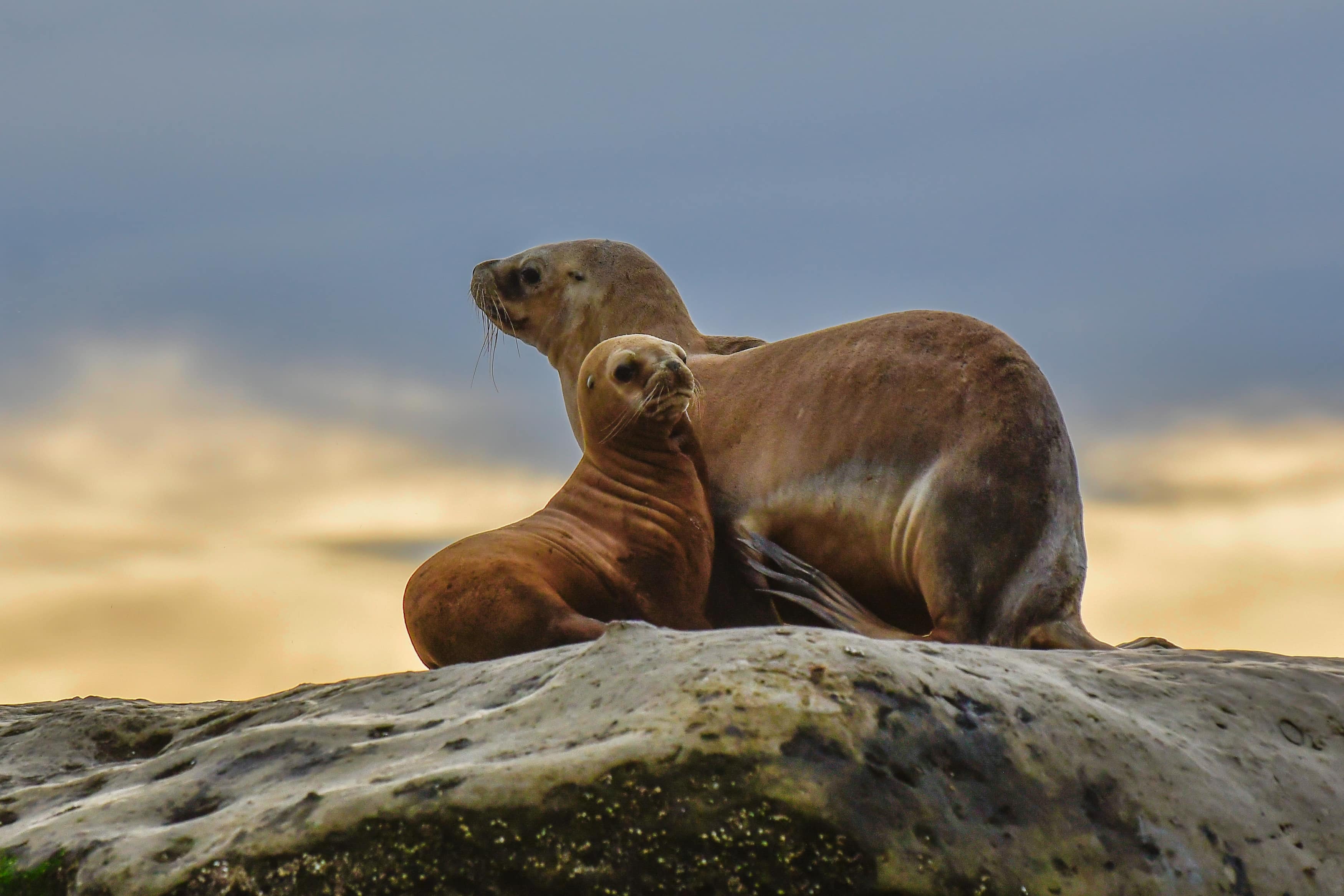
Working with aquatic animals can entail responsibilities ranging from caring for fish in an aquarium and monitoring coral health to supporting a marine mammal training program or helping with conservation fieldwork. It can also mean working in aquaculture, education, rescue or veterinary settings where animal welfare depends on skill, patience and sound judgment.
Because the field is broad, the skill set is both technical and deeply human. Professionals must understand water chemistry and habitat systems as well as animal behavior. Additionally, they need communication skills to work with teams, explain care decisions and respond calmly when something changes quickly.
Explore Our Online Degree Programs
Core Technical Skills for Aquatic Animal Care
Most aquatic animal care roles require a baseline understanding of water, systems and animal health. These skills shape the daily work of aquarists, trainers, aquaculture staff and aquatic animal vet teams while protecting animals from preventable stress and disease.
Water Quality Monitoring and Management
Water quality is one of the first skills professionals must establish because aquatic animals live inside the environment being measured. A shift in temperature, pH, salinity, dissolved oxygen, ammonia, nitrate or nitrite can affect appetite, breathing and movement. In a closed habitat, one missed reading can become a wider problem quickly.
Aquatic care staff use water quality testing kits, digital sensors and life support monitoring systems to check conditions. They also need to know what those readings mean. Testing is only useful when professionals can connect the numbers to animal behavior, system performance and species needs.
Life Support Systems and Equipment
Behind every healthy habitat is equipment that must run consistently. Filtration systems help protein skimmers, pumps, recirculating aquaculture systems and other life support infrastructure keep water safe. Staff need to understand how these systems work and how to spot early signs of trouble. This often means:
- Checking flow rates
- Cleaning filters
- Inspecting plumbing
- Responding when alarms go off
Even when care staff are not repairing equipment, they will ideally have enough working knowledge to recognize when something is wrong.
Diagnostic and Medical Support Skills
Animal health care is another core part of the job. Aquarists and care staff are often the first to notice illness — including appetite changes, unusual swimming patterns, skin changes or isolation from a group. They may assist with sample collection, administer medications under supervision or support ultrasounds and blood draws.
The role depends on the job title. An aquarist may provide first-line observation and support, while an aquatic animal vet or veterinary technician has diagnostic and treatment authority.
Accurate recordkeeping connects the team. Behavioral logs, health records and treatment notes help professionals identify patterns and make better care decisions.
The Soft Skills That Drive Day-to-Day Performance
Technical knowledge matters, but soft skills often determine how well that knowledge is applied.
- Observation is essential because aquatic animals cannot explain pain, stress or discomfort. Caregivers have to notice appetite shifts, movement changes and breathing differences before they become major health concerns.
- Problem-solving is also constantly put to the test. A tank system may fail without an obvious cause. A fish population may stop eating, or a marine mammal may become less responsive during training. Professionals frequently have to work with limited information, rule out causes and protect animal welfare.
- Communication is just as important. Aquatic care teams may comprise veterinarians, marine biologists, aquarists, facilities staff, researchers and educators. Clear updates help everyone understand what changed, what happens next and who owns each step. In public-facing settings, staff may also explain animal behavior and conservation work to visitors.
- Attention to detail holds all of this together. A missed water chemistry reading, mislabeled medication or incomplete notes can create real risk. Successful professionals build habits that reduce mistakes around many animals or complex systems.
How Skills Vary Across Types of Aquatic Animals
Aquatic animals are not a single care category. The skills needed for dolphins differ from those for reef systems, freshwater fish or endangered aquatic animals. Understanding different types of aquatic animals helps professionals choose a path and prepare for each setting.
Marine Mammals
Working with dolphins, sea lions, seals and whales requires specialized training. Many marine mammal programs use behavioral conditioning and positive reinforcement so animals can voluntarily participate in exams, blood draws, ultrasounds and body checks. This supports both safety and welfare.
Professionals may also need strong swimming skills and SCUBA certification paired with emotional resilience. Marine mammals are highly social, so illness, transfer or loss can affect animals and care teams. In addition, staff should be familiar with the Marine Mammal Protection Act and groups such as the International Marine Animal Trainers Association (IMATA).
Fish and Aquaculture Species
Fish care requires species-specific feeding protocols, disease awareness and attention to population health. Staff may monitor dozens to thousands of animals, so disease identification often depends on recognizing patterns across a group.
Aquaculture roles add another layer. Knowledge of biosecurity practices, freshwater or marine water chemistry along with systematic sampling protocols is essential. Data collection matters because it guides large-scale care decisions based on trends in:
- Growth
- Mortality
- Feeding response
- Water quality
Corals, Invertebrates and Reef Systems
Corals are animals, not plants, and they require real biological knowledge. Reef systems depend on precise environmental management, including:
- Lighting intensity
- Water flow
- Nutrient cycling
- Calcium levels
- Stable water chemistry
Small changes can affect color, growth and tissue health.
Care teams may need skills in coral propagation and fragging, too, along with the ability to monitor shrimp, crabs, sea stars and anemones. Among the many types of aquatic animals, reef species often warrant some of the most exact environmental control.
Endangered Aquatic Animals
Working with endangered aquatic animals adds conservation, legal and ethical responsibilities. Professionals should possess knowledge of conservation programs, rehabilitation and release protocols, population-level monitoring and regulatory compliance. Depending on the species, this may involve the:
- Endangered Species Act
- Convention on International Trade in Endangered Species of Wild Fauna and Flora (CITES)
- Marine Mammal Protection Act
Care teams may coordinate with the U.S. Fish and Wildlife Service and National Oceanic and Atmospheric Administration (NOAA) Fisheries. An aquatic animal vet who specializes in endangered aquatic animals may contribute to breeding programs, rescue efforts, disease surveillance and habitat restoration partnerships. This work requires precision because each animal may matter to a population.
Physical Demands and Certifications Worth Pursuing
Aquatic animal care can be physically demanding. Staff may spend long hours on their feet, lift food buckets, move equipment, clean habitats and work in wet spaces. Some jobs require swimming, diving, boat work or fieldwork in heat, cold, wind or rain.
Certifications can help students and early-career professionals exhibit readiness. Useful options include:
- SCUBA certification
- Water safety training
- CPR and first aid
- Boating safety
- Animal handling coursework
Employers may also value experience with:
- Life support systems
- Aquaculture methods
- Veterinary assisting
- Research protocols
The right certification depends on the role and building skills that match the setting. Someone interested in an aquarium career may prioritize SCUBA and life support training, whereas those interested in becoming an aquatic animal vet may focus on animal science, veterinary prerequisites and clinical experience.
Which Aquatic Animal Career Path Fits Your Skill Set?
Aquatic animal care is a spectrum of careers, not one job.
- Students who thrive with equipment, testing and habitat maintenance may be drawn to aquarist roles or life support work.
- Those who enjoy behavior and education may prefer marine mammal care.
- People who like data and population health may find aquaculture a solid fit.
- Students interested in medicine may look toward veterinary technology or the long path to becoming an aquatic animal vet. That route calls for thorough science preparation, clinical experience and an understanding of how veterinary care differs across types of aquatic animals. (i.e., A fish case, dolphin exam and coral concern may require different tools and team members.)
- Conservation-focused students may be drawn to work with endangered aquatic animals, field research, rehabilitation or agency partnerships. These roles demand patience, careful documentation and comfort with regulations. They can also be meaningful for people seeking animal care skills to support species recovery and habitat protection.
Build the Skills to Support Your Future in Aquatic Animal Care
Ultimately, the ideal path depends on the skills you enjoy using. Working with aquatic animals calls for a sense of curiosity, consistency and respect for details that may seem small — until they affect animal health. A strong education can help you connect the dots between biology, hands-on care, systems knowledge and professional communication.
Interested in caring for aquatic animals in aquariums, conservation programs, aquaculture settings or related roles? Husson University offers flexible programs that can support your goals in animal care, science and related fields that can help you build a foundation for the next step. Explore Husson’s online degree options to discover how a flexible program can support your goals in animal care, science and related fields.
Explore Our Online Degree Programs
Back to All Blogs