
How to Become a Marine Conservationist: Education, Skills and Career Timeline
Published on: February 3, 2026
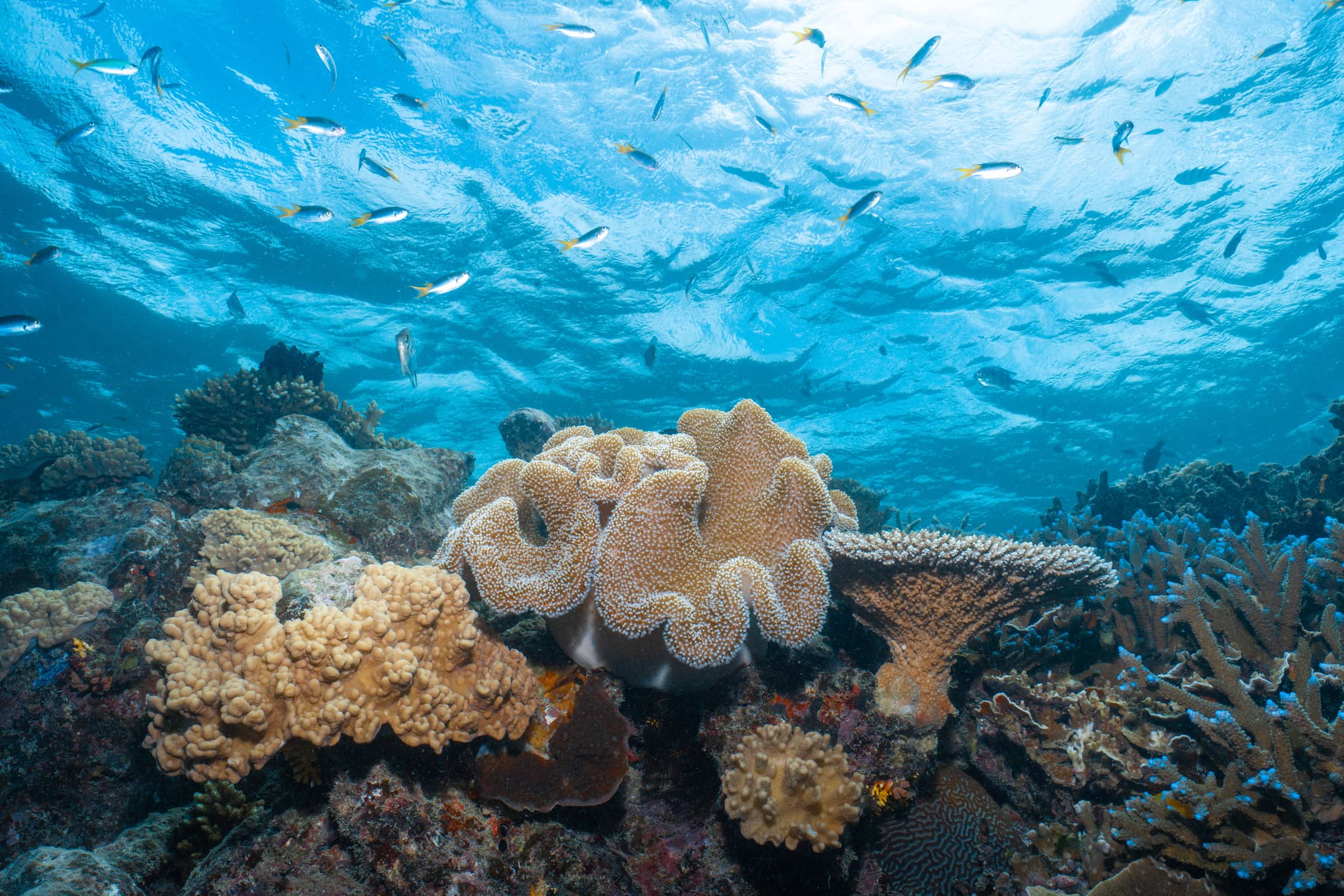
Marine ecosystems are under more pressure than ever before, from climate change and plastic pollution to overfishing and habitat destruction. Marine conservationists are working hard to reverse that damage, and the demand for them continues to grow. If you have a passion for the ocean and want to turn it into a career, this guide breaks down exactly what it takes to get there, from the degrees worth pursuing to the hands-on experience that sets candidates apart.
Get Your Marine Biology Degree
What Does a Marine Conservationist Do?
Marine conservationists protect ocean ecosystems and the species that depend on them. Their work spans research, policy, education and direct wildlife care — often all at once. On any given day, a marine conservationist might be collecting water samples in the ocean, analyzing data in a lab, presenting findings to a government agency or training volunteers for a beach cleanup initiative.
The role varies widely depending on the employer and specialization, but the throughline is the same: using science and strategy to protect marine environments for future generations. Understanding careers in marine conservation means recognizing just how broad the field really is.
Steps to Become a Marine Conservationist
Wondering how to become a marine conservationist? The process starts with building the right academic foundation and gaining practical experience. This path is not one-size-fits-all, but the steps below reflect what most successful professionals have in common.
Earn a Relevant Degree
Most entry-level positions in marine conservation require at least a bachelor's degree in a related field. Marine biology, environmental science, ecology, oceanography and conservation biology are all strong starting points. Look for programs that blend coursework in biology and chemistry with practical skills like GIS mapping, data analysis and fieldwork. A degree in marine biology and conservation, in particular, provides a focused credential that speaks directly to the work employers are hiring for.
Gain Hands-On Experience Early
Classroom learning only gets you so far. The most competitive candidates for careers in marine conservation gain field and lab experience before they graduate. You can get experience by volunteering with local conservation groups, participating in citizen science projects or reaching out to professors doing active research. Any time you spend working with data, species surveys or environmental monitoring can add real value to your resume.
Build Specialized Knowledge and Skills
Marine conservation is an interdisciplinary field, and the professionals who advance tend to have skills that go beyond basic biology. Data literacy and statistical analysis are increasingly expected, as is familiarity with GIS software. Strong written and verbal communication skills are also important, since much of this work involves translating science into language that policymakers and the public can act on. Developing proficiency in one or two of these areas while still in school can give you a head start.
Pursue Advanced Education (If Needed)
A master's or doctoral degree is not always required, but it often opens doors for research-heavy roles and senior positions. Graduate programs in marine science, environmental policy or conservation biology allow you to specialize in a niche area — such as coral reef ecology, fisheries management or marine mammal behavior — and build a more distinctive professional profile. If you want to lead research teams or influence policy at a national level, advanced education may be worth the investment.
Enter the Workforce and Grow Your Career
Most conservationists start in junior roles at nonprofits, government agencies, research institutions or aquariums. From there, career progression often comes through a combination of publications, project leadership and professional networking. Staying active in professional associations, attending conferences and continuing your education through certifications or workshops can contribute to long-term career growth.
Marine Conservation Internships: Why They Matter
Marine conservation internships are one of the most valuable steps you can take before entering the workforce. Unlike general volunteer work, internships place you inside functioning organizations where you can observe professional workflows, contribute to real projects and build relationships with people already working in the field.
For many hiring managers, internship experience is not just a bonus — it's expected. Competitive roles at well-known conservation organizations, government agencies and research institutions often draw from a pool of candidates who have already demonstrated commitment through hands-on work. Marine conservation internships help you stand out in that pool.
Beyond the resume line, internships are where professional networks actually get built. A supervisor who sees your work ethic, a colleague who later moves to a different organization, a mentor who puts your name forward for a position — these connections come from showing up and doing the work.
Types of Careers in Marine Conservation
Careers in marine conservation span a wide range of roles, work environments and specializations. Whether you gravitate toward fieldwork, research, education or advocacy, there is likely a path in this field that fits your strengths. Below are some of the most common and growing roles in the profession.
Marine Conservation Scientist
These professionals conduct research on marine species, habitats and ecosystems to inform conservation strategies. They typically work for universities, government agencies or research nonprofits, spending time both in the field and in the lab. Strong analytical and writing skills are essential, as much of this role involves publishing findings and communicating recommendations to stakeholders.
Marine Policy and Advocacy Specialist
Policy specialists work at the intersection of science and government, translating research into actionable legislation or regulatory frameworks. They may lobby for fishing restrictions, advocate for marine protected area expansions or work with international bodies on ocean governance. A background in both science and public policy or law is common for this career track.
Marine Wildlife Rehabilitation Specialist
These specialists care for injured or stranded marine animals — including sea turtles, marine mammals and seabirds — with the goal of returning them to the wild. This role requires hands-on animal handling skills, a background in biology or veterinary science and often a good deal of emotional resilience. Typical employers include rehabilitation centers, aquariums and wildlife rescue organizations.
Conservation Program Manager
Program managers oversee conservation initiatives from start to finish, designing projects, managing budgets, coordinating teams and reporting outcomes to funders or governing boards. This role suits people who are organized and communicative, with enough scientific background to understand the work they are managing. Nonprofits and government conservation agencies frequently hire for this position.
Aquarist or Aquarium Conservation Specialist
Aquarists care for marine animals in captive environments while also participating in species preservation programs and public education efforts. Many aquariums are actively involved in breeding programs for threatened species, making this role part husbandry and part conservation science. A degree in marine biology and strong animal care experience are typical requirements.
Marine Educator or Outreach Coordinator
Educators and outreach coordinators connect the public — from schoolchildren to coastal communities — with marine conservation issues and solutions. They develop curricula, lead field trips, run social media campaigns and represent organizations at public events. Strong communication skills and a genuine interest in community engagement are core qualifications.
Start Your Career in Marine Conservation
The ocean needs more people who are trained, passionate and ready to do the work. Whether you see yourself in the field collecting data, in a policy room shaping legislation or in a classroom inspiring the next generation of conservationists, the first step is getting the right education behind you.
Husson University's Bachelor of Science in Marine Biology and Conservation is designed for students who want to combine scientific rigor with real-world conservation practice. With a curriculum built around the skills employers are actually looking for, Husson gives you the foundation to pursue careers in marine conservation with confidence. If you are ready to take the first step toward becoming a marine conservationist, explore what Husson's program can offer you.
Get Your Marine Biology DegreeBack to All Blogs