
Jobs Working With Marine and Aquatic Animals: What to Know Before You Choose a Path
Published on: February 25, 2026
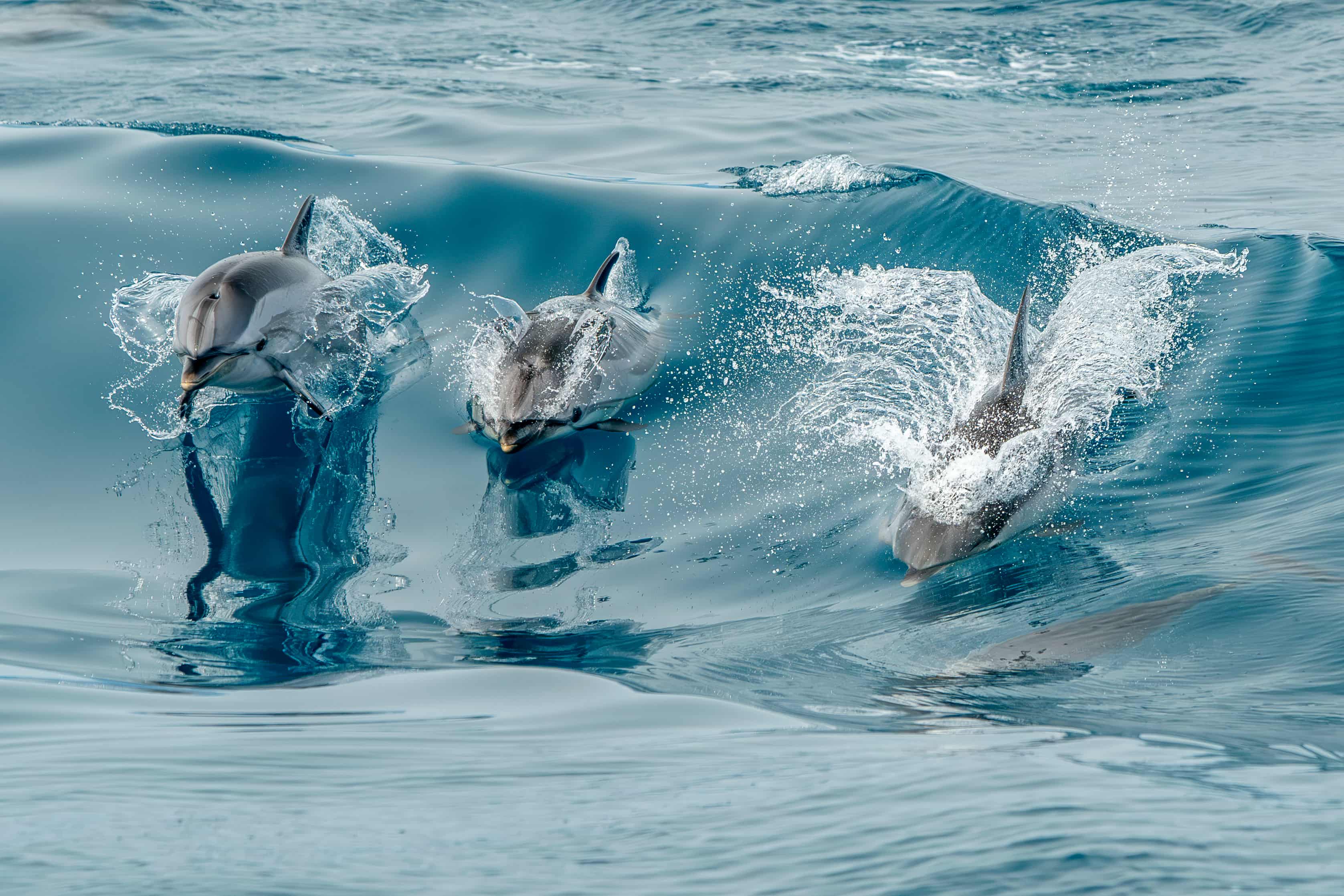
If the tides of the ocean have always pulled at you — be it documentaries you rewatched over and over or a tank of pet fish you treated like a second family — you may have wondered whether that fascination could turn into a paycheck. There exist a number of jobs working with marine animals, from hands-on care at aquariums to fieldwork on research vessels. However, these paths vary widely in terms of training requirements, day-to-day work and job availability.
Below, we walk through the most common careers involving marine life so you may better decide which one fits your interests, your strengths and the life you want to build.
Get Your Aquatic Animal Care Certificate
Why Choose a Career Working With Marine Animals?
Oceans cover more than 70% of the planet, and yet we have mapped only a fraction of what lives within them. That gap alone creates meaningful work for scientists, caretakers, educators and advocates.
People drawn to marine animal jobs generally share a few things in common:
- Curiosity about how aquatic ecosystems work
- Patience for slow and detailed observation
- A genuine desire to protect species that most of the public rarely sees up close
Beyond the personal pull, these careers matter. Climate change, overfishing, habitat loss and plastic pollution are reshaping aquatic environments faster than many species can adapt. Professionals in ocean occupations play a direct role in research, rehabilitation and public education that shapes how the next generation treats the water.
Popular Careers Working With Marine and Aquatic Animals
There is no single path into this field. Some roles are lab-based and research-heavy; others are physically demanding and hands-on, and a few center on teaching the public. Below are some of the most common jobs working with marine animals and what each one actually entails.
Marine Biologist
Marine biologists study organisms that live in saltwater environments, from plankton to whales. The work can look like:
- Diving on coral reefs
- Tagging sharks
- Analyzing tissue samples in a lab
- Modeling population data on a laptop
Most roles require at least a bachelor's degree in biology or marine science, and research-heavy positions typically expect a master's or doctorate.
Aquarium Jobs (Aquarist, Aquatic Specialist)
Aquarium jobs cover the daily care of fish, invertebrates and sometimes larger animals in public or private facilities. If you like steady hands-on work with clear routines and obvious signs of progress, these positions can often offer a strong entry point into the field. Aquarists handle:
- Water quality testing
- Feeding
- Tank cleaning
- Exhibit design
- Animal observation
Marine Mammal Trainer
Marine mammal trainers use positive reinforcement to support husbandry behaviors like voluntary blood draws, medical exams and enrichment activities. In settings like aquariums, zoos or rescue centers, trainers focus on mammals including:
- Dolphins
- Sea lions
- Seals
- Whales
- Otters
These roles are among the most competitive in the field. Expect to start as a volunteer or apprentice, along with long days outdoors in all weather.
Marine Conservationist
Conservationists work to protect species and habitats through policy, advocacy, fieldwork or community programs. Conservation roles often sit inside nonprofits, government agencies or international organizations. A day might involve:
- Running a beach cleanup
- Drafting a grant proposal
- Testifying on fishing regulations
- Leading a coral restoration dive
Fisheries and Aquaculture Specialist
These specialists manage wild fish stocks or farm-raised aquatic species. Fisheries biologists study populations to set sustainable catch limits. Aquaculture professionals design and run systems that grow fish, shellfish or seaweed for food. The field is growing as demand for seafood rises and wild stocks come under more pressure.
Oceanographer
Oceanographers study the physical, chemical, geological or biological properties of the ocean itself. This is one of the more academic ocean occupations and typically requires advanced math and science coursework plus graduate-level training. Their work supports:
- Climate research
- Navigation
- Offshore energy
- Fisheries management
Wildlife Rehabilitation Specialist (Marine Focus)
Rehabilitators care for stranded, injured or orphaned marine animals with the goal of returning them to the wild. You might tube-feed a malnourished sea turtle, monitor a seal pup's weight gain or help release a recovered pelican. The work can prove emotionally heavy but also deeply rewarding, and many people enter the field through volunteer hours at a stranding network.
Marine Veterinarian and Veterinary Technician
Marine vets and vet techs provide medical care to aquatic animals in aquariums, rehab centers and aquaculture operations. Becoming a marine veterinarian requires a Doctor of Veterinary Medicine degree followed by specialized training. Veterinary technicians have a shorter path but still need certification and clinical experience.
Aquarium Educator and Outreach Coordinator
Not every role involves direct animal handling. As an educator, you may:
- Design programs for school groups.
- Lead public tours.
- Run social media campaigns.
- Translate research for general audiences.
If you love marine life and also love teaching, this path lets you do both without requiring a science graduate degree.
Where You Can Work in Marine Animal Careers
One reason careers involving marine life stay interesting is the sheer variety of workplaces. The same skills can land you in very different settings depending on your priorities around pay, stability and research freedom. For instance:
- Aquariums and marine parks offer many entry-level aquarium jobs and public-facing roles.
- Nonprofit conservation organizations blend fieldwork, advocacy and fundraising.
- Research institutions and universities focus on discovery and graduate training.
- Private industry encompasses aquaculture operations and environmental consulting firms.
- Government agencies include the National Oceanic and Atmospheric Administration (NOAA), the U.S. Fish and Wildlife Service and state environmental departments.
Skills Needed for Jobs Working With Marine Animals
Technical knowledge matters, but it seldom stands alone. Employers hiring for marine animal jobs tend to look for a blend of practical skills and personal traits that hold up on long days in challenging conditions:
- Animal care and handling, including safe restraint, feeding protocols and recognition of stress behaviors
- Observation and research skills that let you notice small changes in behavior or water chemistry before they become problems
- Physical stamina and genuine comfort in water environments (including cold water, rough seas or long dive days)
- Communication and teamwork — since almost every role involves coordinating with vets, researchers, volunteers or the public
- Problem-solving in changing environments, where weather, animal health and equipment can shift your plans hour by hour
Education and Training Requirements
Educational requirements vary more than you might expect.
- A marine biologist or oceanographer usually needs at least a four-year degree and often a graduate degree.
- Aquarists and marine mammal trainers may enter with a bachelor's in biology, zoology or animal science paired with hands-on volunteer or internship hours.
- Veterinarians need a doctoral-level degree.
- Vet technicians can qualify through a two-year associate program and national certification.
Certificate programs are a practical option for people who want focused training without committing to a full degree right away — or who already have a degree in another field and want to pivot. A targeted certificate can teach species-specific husbandry, water chemistry, handling techniques and exhibit management, which embody the types of skills hiring managers look for in entry-level aquarium jobs.
Challenges to Consider in Marine Animal Careers
This field attracts passionate people, which is part of why it is competitive and sometimes underpaid relative to the education it requires. Before you commit, it helps to go in with clear eyes about the trade-offs. Namely:
- The job market is competitive, especially for marine mammal trainer jobs and research positions at well-known aquariums.
- Work can be physically demanding, with early hours, heavy lifting, cold water and outdoor exposure.
- Many roles require relocating to coastal areas or being willing to travel for fieldwork seasons.
- Entry-level salaries can be modest; however, pay improves with specialization, certifications and years of experience.
None of this means the path is not worth it. It does mean that planning, flexibility and a willingness to start small will serve you well.
Take the Next Step Toward a Career With Marine Animals
Careers involving marine life reward curiosity, patience and a steady willingness to learn. Whether you see yourself rehabilitating sea turtles, running an exhibit at a public aquarium, studying fisheries data or training the next generation of biologists, the field has room for various kinds of strengths. The people who succeed tend to combine solid education with real-world experience and a clear sense of which corner of the ocean world calls to them.
If you are ready to build the hands-on skills that employers look for in aquarium jobs and other ocean occupations, Husson University offers an online undergraduate certificate in aquatic animal care that can help you take the next step. Request more information about this certificate program and continue honing your interest and passion for marine animals.
Get Your Aquatic Animal Care Certificate
Back to All Blogs