
What to Expect in a Marine Biology Program
Published on: January 5, 2026
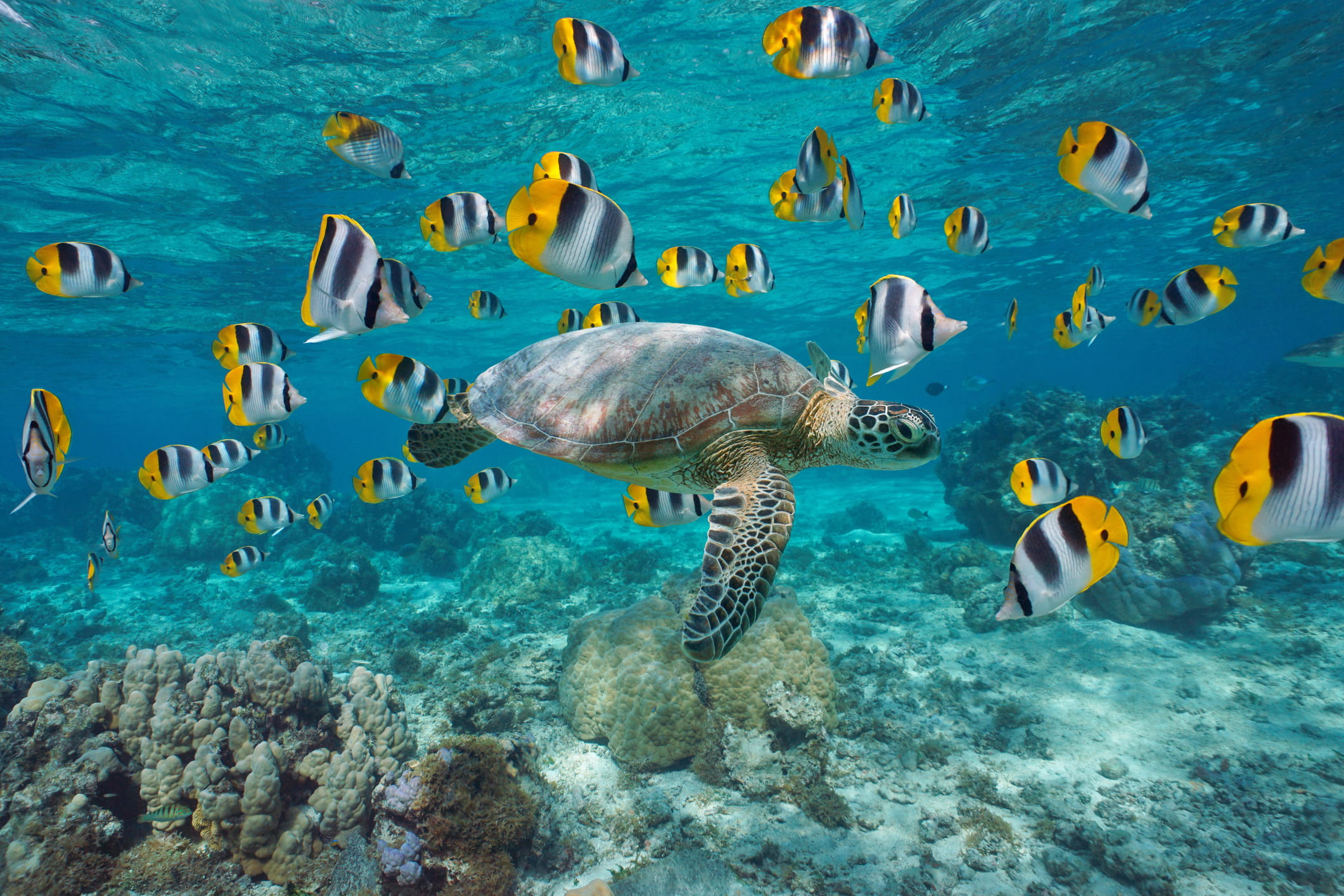
For science-minded learners who feel pulled toward the ocean, a marine biology major can feel like a perfect fit. So, what does that path actually look like once you're on it?
From the courses you'll take to the fieldwork you do, understanding what lies ahead helps you walk in prepared. Read on to discover what marine biology students can expect and what to look for when comparing colleges for marine biology.
Get Your Marine Biology Degree
What Is a Marine Biology Major?
A marine biology major focuses on the study of ocean life, from single-celled organisms to the largest marine mammals on Earth. It sits at the intersection of biology, ecology and environmental science but with a sharp focus on aquatic and marine systems. Whereas a general biology degree covers life science broadly, a marine biology program narrows that scope to the ocean and the species, ecosystems and environmental pressures within it.
Unlike environmental science — which tends to emphasize policy, land use and sustainability frameworks — marine biology is more directly grounded in the biological sciences. You'll study organisms, their behaviors, their physiology and how they interact with their environment. It's a rigorous scientific discipline that prepares students for careers in research, conservation, education and marine resource management.
Marine Biology Courses You'll Take
Marine biology coursework covers a wide variety of scientific disciplines. Expect to spend your first two years establishing a foundation in core sciences before moving into more specialized marine topics. The sequence is intentional; each layer of knowledge prepares you for the next.
Foundational Science Courses
Before diving into ocean-specific content, students build a base in the sciences that underpin all biological study. Most marine biology programs require:
- General biology (often a two-semester sequence)
- Chemistry (including general and organic chemistry)
- Statistics or data analysis
- Physics (required by some programs)
More than electives or formalities, these courses constitute the scientific toolkit you'll use throughout your entire program and career.
Specialized Marine Courses
Once the foundational work is complete, marine biology courses shift to focus on the ocean itself. These are the classes most students look forward to and where the major really takes shape.
Common specialized marine biology courses include topics such as:
- Marine ecology
- Oceanography
- Marine conservation
- Coastal ecosystems
- Marine organism biology
Each of these courses adds a different lens. For instance, oceanography teaches you how physical ocean conditions like currents and temperature shape marine life. Marine conservation connects biology to real-world challenges like habitat loss and overfishing.
Lab Work and Research Methods
Marine biology coursework is heavily lab-based. Beyond just reading about how scientists study marine organisms, students get to actually do it. Courses may involve hands-on data collection, specimen analysis and detailed lab reports. Scientific writing and presentations are part of the picture, too, because communicating findings clearly is just as important as collecting them. These skills carry directly into graduate programs, research roles and field positions.
Hands-On Learning: Fieldwork and Marine Biology Internships
One of the most valuable parts of any marine biology program is what happens outside the classroom. Depending on where your program is located and what resources the university has access to, fieldwork might entail:
- Boat-based research
- Intertidal zone surveys
- Underwater observation
- Water sampling
Some programs have partnerships with marine research stations, aquariums or conservation organizations that give marine biology students direct access to working scientists and real research projects.
Internships are another key piece of the experience. Whether through a formal internship requirement or self-directed job searching, gaining hands-on professional experience before graduation helps set you apart to employers. Marine biology internships with nonprofit conservation groups and marine science institutions — or even government agencies like the National Oceanic and Atmospheric Administration (NOAA) when available — instill practical skills and a clearer sense of where you want to take your career.
The Workload and Academic Expectations
Marine biology is a science-heavy major, and the workload reflects that. Between lecture hours, lab sessions and field assignments, students should expect to put in significant time outside of class. Chemistry and physics courses can be demanding, and the research methods and data analysis work builds in complexity as you advance through the program.
That said, the structure of most programs is designed to elevate your skills progressively. In other words, you won't be thrown into advanced marine ecology on your first day. The sequence of marine biology courses is intentional, and students who stay engaged with the foundational material tend to find the specialized coursework more manageable and rewarding. Time management and a genuine curiosity about the subject make a major difference here.
What to Look for in Colleges for Marine Biology
Not all higher education institutions offer the same depth of resources when it comes to marine biology programs.
Location plays a role, but it isn't everything. Coastal schools present natural advantages for fieldwork, but inland programs with strong research partnerships can provide comparable experiences. What matters more is whether the program has active research in progress and faculty who are publishing and working in the field, along with opportunities for marine biology students to get involved in that research early.
Additionally, look at how the program is structured. Namely:
- Does it require fieldwork?
- Does it have connections to marine biology internships or research stations?
- Are there clear pathways to graduate school or specific career tracks?
Colleges for marine biology vary widely in how much professional development and real-world experience they build into the degree, so asking those questions directly when making your decision is worth the effort.
Is Marine Biology a Good Major for You?
The honest answer here depends on what you want from it. A marine biology major can prove a deeply fulfilling path for those who are:
- Passionate about ocean life
- Drawn to scientific research
- Willing to work through demanding coursework in chemistry, statistics and biology
Among other paths, the field supports careers in:
- Research
- Conservation
- Marine resource management
- Aquaculture
- Science communication
- Education/academia
If you're hoping to work directly with marine animals every day, the reality is that most marine biology careers involve more time dedicated to data, research and writing than in the water. Students who love the scientific process — not just the subject matter — tend to thrive. Thus, when asking, “Is marine biology a good major?” the better question might be: Is it the right major for how you want to spend your time and what kind of work you want to do?
Dive Into Marine Biology at Husson University
Marine biology is a field that rewards curiosity and scientific discipline, plus a genuine connection to the natural world. From the foundational courses you'll take in year one to the fieldwork and internships that shape your professional path, every part of the program builds toward meaningful pursuits in ocean science.
At Husson University, we offer a range of programs designed to prepare students for science-driven careers. Explore Husson University's programs to learn more and take the next step today.
Get Your Marine Biology DegreeBack to All Blogs