
What Can You Do With a Marine Biology Degree?
Published on: January 12, 2026
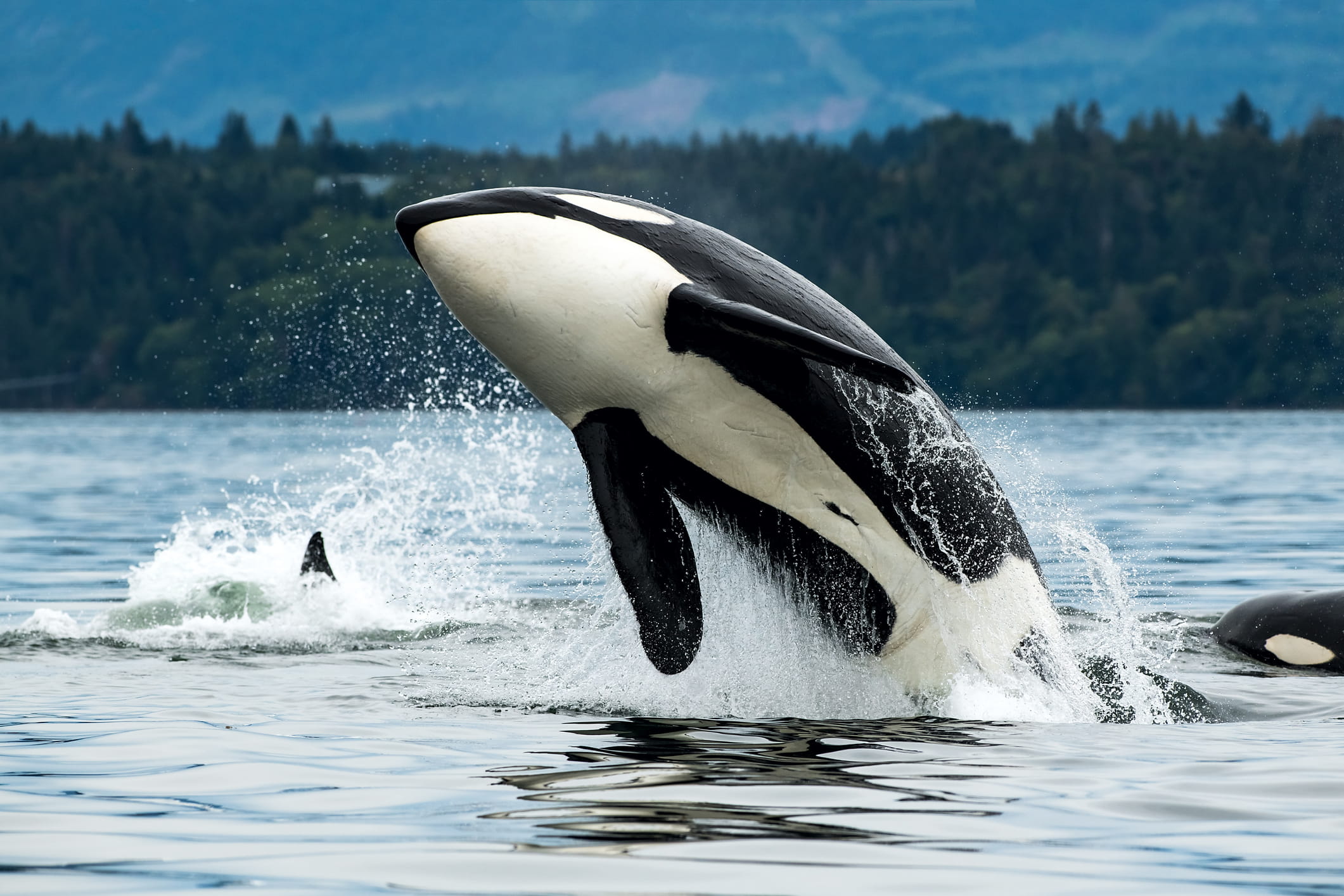
The ocean covers more than 70% of our planet, and we've barely scratched the surface of what lives within it. If you've ever been drawn to the sea — the science behind coral reefs, the behavior of marine mammals or the health of coastal ecosystems — a marine biology degree could be the foundation for a career that's as wide-ranging as the ocean itself.
Learn more about what you can do with a marine biology degree, what kinds of marine biology jobs are available and how to map your path from the classroom to a career you care about.
Get Your Marine Biology Degree
What Is a Marine Biology Degree?
A marine biology degree is an undergraduate program that combines core life sciences with specialized study of ocean environments and the organisms that inhabit them. Students typically take courses in areas like:
- Biology
- Chemistry
- Ecology
- Oceanography
- Marine mammalogy
- Aquatic toxicology
Many programs also incorporate fieldwork, lab research and data analysis — giving students hands-on exposure to the kinds of work they might encounter professionally.
Beyond the science itself, a marine biology degree builds transferable skills in research methodology, environmental problem-solving and scientific communication. Graduates emerge prepared for not only traditional research roles but also work in conservation, policy, education and resource management. The degree is intentionally broad, which is one of its key strengths. It opens doors across a vast variety of marine biology careers rather than locking you into a single track.
Marine Biology Jobs You Can Pursue After Graduation
So, what can you do with a marine biology degree once you graduate? Careers span research, conservation, animal care, aquaculture and education, among other fields. Below is a breakdown of the most common paths graduates pursue.
Research and Scientific Roles
If your passion is discovery and data, research-focused marine biology jobs put you at the forefront of what we know (and don't yet know) about the ocean.
- Marine biologists study the behavior, physiology and ecology of ocean organisms — from microscopic plankton to large whale populations. Designing and conducting field studies or experiments in controlled lab settings, they may work for universities, nonprofits, private research firms or governmental agencies.
- Fisheries scientists assess the health of fish populations and provide data that informs sustainable fishing regulations. Some collaborate with federal and state agencies like the National Oceanic and Atmospheric Administration (NOAA) to monitor species abundance, track population trends and evaluate the effects of commercial fishing.
- Marine research technicians support scientific investigations by collecting water and biological samples, operating equipment and maintaining data records. This role can present a strong entry-level option for graduates seeking to gain research experience before pursuing graduate study.
- Oceanographic research assistants, working alongside oceanographers, help collect and process data related to ocean temperature, chemistry and circulation patterns. Many positions are based at research institutions and universities or aboard research vessels.
Conservation and Environmental Careers
For those who want to protect marine ecosystems and influence how we manage natural resources, conservation-focused marine biology careers offer meaningful, mission-driven work.
- Marine conservationists help protect ocean habitats, endangered species and fragile ecosystems. Combining field research with advocacy and public engagement, they may work with nonprofits or government and international organizations to design and implement conservation strategies.
- Environmental consultants advise businesses, developers and government bodies on how to minimize the ecological impact of construction, land use and industrial operations near coastal or marine environments. This role bridges science and industry, often requiring strong communication and regulatory knowledge.
- Coastal resource managers oversee the sustainable use of shoreline and near-shore environments. Their duties involve balancing the needs of communities, industries and wildlife — coordinating with local tourism operators, governments and conservation groups to develop land and water use plans.
- Marine policy analysts translate scientific findings into actionable policy recommendations. They work within think tanks or government/environmental organizations to shape regulations around fishing, shipping, climate change and marine protected areas.
Aquaculture and Animal Care Roles
Graduates who prefer working hands-on with marine animals or contributing to sustainable seafood production may explore marine biology jobs in aquaculture and animal care.
- Aquaculture specialists manage the farming of fish, shellfish and aquatic plants for food production, research or conservation purposes. They monitor water quality, manage feeding programs and troubleshoot health issues within farmed populations.
- Aquarists care for marine animals in public aquariums and research facilities. Their daily responsibilities include feeding, habitat maintenance, animal health monitoring and, in many cases, developing educational programming for visitors.
- Marine mammal trainers work with dolphins, seals, sea lions and other marine mammals in aquarium, research and rehabilitation settings. They use operant conditioning techniques to facilitate veterinary care, behavioral research and public education.
- Hatchery managers oversee facilities that breed fish and shellfish for stocking natural waterways or supplying aquaculture operations. The role involves managing production cycles, supervising staff and ensuring water quality standards are consistently met.
Education and Outreach Careers
Not all marine biology careers take place in a lab or on a research vessel. For those passionate about sharing their knowledge, education and outreach roles offer a way to make a real impact.
- Marine science educators teach at the K-12 level, in community colleges or through informal education programs at nature centers and marine sanctuaries. They may develop curriculum and lead field trips while helping students gain a foundational understanding of ocean science.
- Aquarium or museum educators at aquariums and natural history museums design interpretive exhibits, lead public programs and develop materials that communicate complex marine science to general audiences. The role sits at the intersection of science, storytelling and community engagement.
- Environmental outreach coordinators work for nonprofits, conservation organizations or government agencies to garner public awareness around marine and coastal issues. They organize community events, manage social media campaigns and cultivate relationships with local stakeholders.
Marine Biology Career Outlook and Salary Expectations
The marine biology career outlook is shaped by growing demand for expertise in climate science, fisheries management and environmental sustainability. According to the U.S. Bureau of Labor Statistics (BLS), employment for zoologists and wildlife biologists — a category that encompasses marine biologists — is projected to grow at a positive rate, driven by conservation needs and environmental regulation.
The median pay for wildlife biologists is $72,860 as of 2024. However, salaries in marine biology vary based on role, education level, sector and location.
- Entry-level positions like research technician or aquarist typically start in the $35,000 to $50,000 range.
- Mid-career professionals in roles such as fisheries scientist or environmental consultant can earn between $55,000 and $80,000 annually.
- Senior researchers, managers and policy analysts with graduate degrees or significant experience may earn well above $90,000, particularly in federal agencies or the private sector.
Keep in mind that marine biology careers in academia, nonprofits or government often come with additional benefits like loan forgiveness programs, research funding and schedule flexibility. These factors can matter just as much as the base salary figure.
How to Become a Marine Biologist
If you're wondering how to become a marine biologist, here are the key steps professionals tend to follow:
- Step 1: Earn a marine biology degree or related bachelor's degree. A bachelor's degree in marine biology, biology, ecology or environmental science is the standard starting point. Look for programs that offer field research opportunities, lab experience and courses in oceanography or aquatic sciences.
- Step 2: Gain hands-on experience. Internships, research assistant positions and fieldwork are essential. Whether you're tagging sharks off the coast, cataloging coral specimens in a lab or monitoring water quality at a state agency, practical experience sets you apart when applying for full-time marine biology jobs. Many employers expect at least one noteworthy hands-on experience before hiring.
- Step 3: Consider graduate study for advanced roles. A master's or doctoral degree is generally required for lead research positions, university faculty roles and senior policy or management jobs. Graduate school allows you to specialize more deeply (e.g., in marine mammal behavior, deep-sea ecology or fisheries science) and could set the stage for pursuing competitive academic or federal positions.
Is a Marine Biology Degree Right for You?
A marine biology degree can be a great fit if you have genuine curiosity about the natural world, a comfort with scientific thinking and a desire to contribute to something larger than a single job title. The field rewards persistence and can be competitive, and early career salaries may be modest. But for students who are passionate about the ocean, the work tends to be deeply fulfilling.
You don't have to be certain about one specific career path before enrolling. The breadth of marine biology careers means you can explore as you learn — following your interests in research, conservation, education or animal care as they develop throughout your program. What matters most is showing up with curiosity and a willingness to do the work.
Start Your Marine Biology Journey at Husson University
Husson University offers a growing selection of science and professional programs designed to give students hands-on preparation for real-world careers. If you're ready to find a degree that fits your goals in marine biology, explore Husson's online programs to learn more and take the first step toward a future that puts you at the center of ocean science.
Get Your Marine Biology DegreeBack to All Blogs