
Emerging Technologies Transforming Physical Therapy
Published on: December 3, 2025
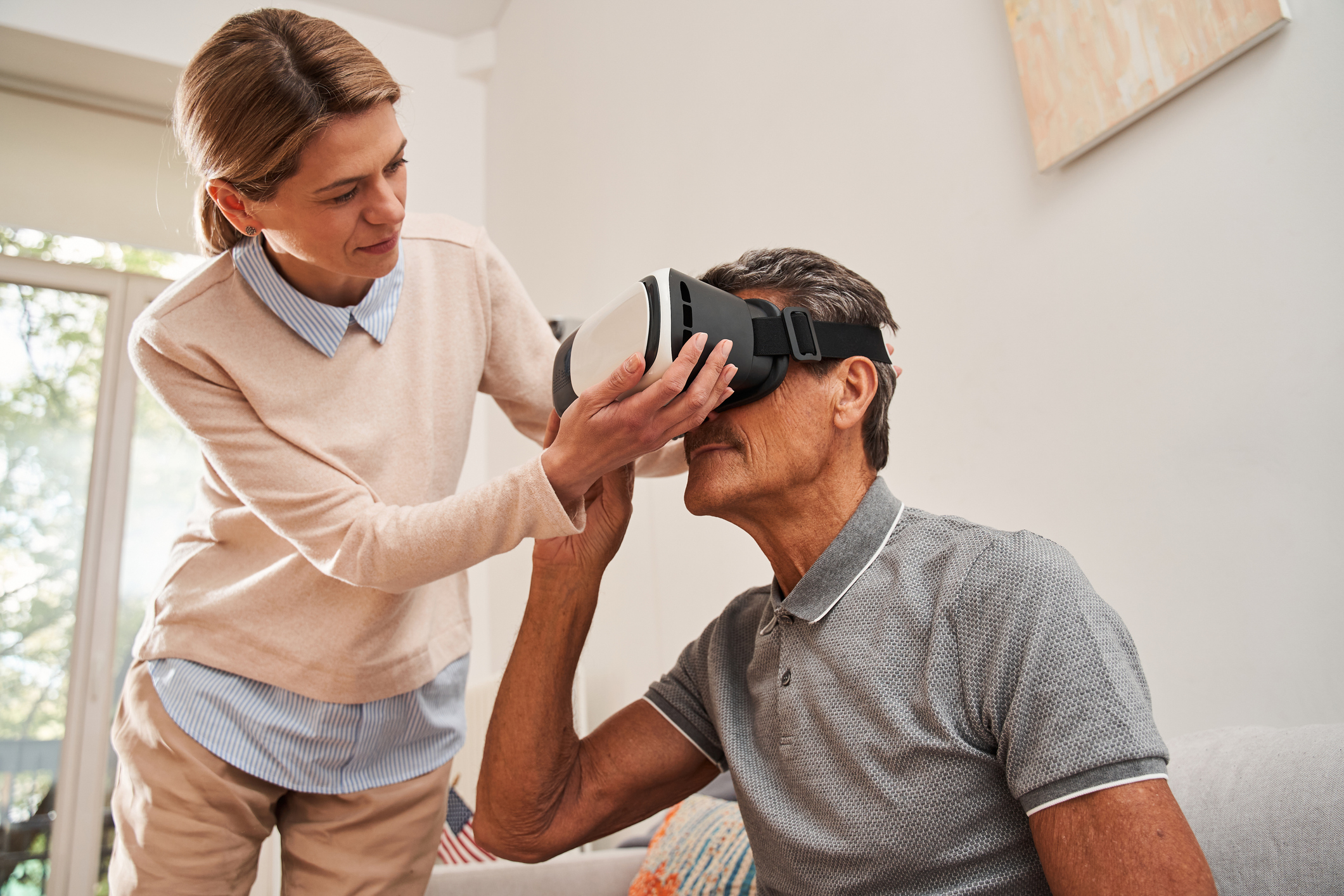
Physical therapy is undergoing a significant transformation as emerging technologies reshape how clinicians assess, treat and monitor patient progress. From AI in physical therapy applications that analyze movement patterns to sophisticated rehab devices that deliver real-time feedback, practitioners now have access to tools that would have seemed unimaginable just a decade ago. These advancements in physical therapy go beyond added convenience; they are fundamentally improving outcomes by enabling more precise diagnostics, personalized rehabilitation plans and data-driven clinical decision-making.
As healthcare increasingly embraces digital solutions, it has become essential for practices to understand which physical therapy technology tools deliver meaningful clinical value. Doing so allows providers to optimize patient care while remaining competitive in an increasingly tech-forward healthcare landscape.
Get Your Physical Therapy Degree
Why Technology Is Redefining Physical Therapy in the 2020s
The 2020s have ushered in unprecedented change for rehabilitation, driven by the intersection of evolving healthcare needs and rapid technological innovation. The COVID-19 pandemic accelerated the adoption of telehealth and remote monitoring, prompting clinicians to rethink traditional, in-person care models. At the same time, aging populations worldwide are increasing demand for efficient, scalable solutions that modern physical therapy devices can support.
Additionally, today’s patients expect the same level of digital sophistication in their healthcare that they experience in other areas of daily life, from wearable fitness trackers to mobile health apps. These expectations continue to push the PT profession toward integrating technology that aligns with contemporary patient preferences and care standards.
Major Technology Advancements in Physical Therapy Today
The current rehabilitation landscape features a wide range of innovations designed to enhance both patient outcomes and clinical efficiency. Modern physical therapist equipment spans AI-driven assessment tools, robotic systems and immersive digital platforms, each addressing specific challenges in care delivery. Rather than replacing clinical expertise, these technologies enhance therapists’ ability to deliver precise, personalized and effective interventions.
Wearables, Sensors & Remote Monitoring
Wearable sensors and remote monitoring tools enable clinicians to track patient movement, exercise adherence and recovery progress beyond the clinic setting. These systems collect continuous data on metrics such as gait patterns, range of motion and activity levels, offering insights that were once difficult to capture. Patients benefit from greater accountability and engagement, while clinicians can refine treatment plans based on real-world performance data.
Telehealth & Telerehabilitation
Telehealth platforms have significantly expanded access to physical therapy services, particularly for individuals in rural areas or those with mobility challenges. Through video-based visits, therapists can guide exercises, assess movement quality and provide education without requiring in-person appointments. While not appropriate for every condition, telerehabilitation has demonstrated effectiveness across many use cases and continues to improve through enhanced video capabilities and interactive assessment features.
Virtual Reality (VR), Augmented Reality (AR) & Gamification
Immersive technologies are reshaping rehabilitation by making therapeutic exercises more engaging and functional. VR systems can simulate real-world environments for balance and mobility training, while AR overlays offer visual cues during movement. Gamification adds elements such as goal tracking and competition, which research suggests can improve adherence to home exercise programs and support long-term engagement.
Robotics, Exoskeletons & Advanced Rehabilitation Devices
Robotic systems and exoskeletons represent some of the most advanced rehab devices available today. Designed to deliver precise assistance, resistance and movement guidance, these technologies are especially valuable for patients recovering from neurological injuries or complex orthopedic procedures. Many physical therapy devices in this category also capture detailed biomechanical data, allowing clinicians to measure subtle improvements and track progress with greater accuracy.
AI, Data Analytics & Predictive Rehabilitation Planning
The integration of machine learning and data analytics is enabling more predictive, personalized rehabilitation planning. By analyzing large datasets of patient outcomes, AI in physical therapy can help identify optimal treatment approaches, detect compensatory movement patterns and assess fall risk. These insights support more informed clinical decisions and may reduce time spent on ineffective or unnecessary interventions.
Advanced Therapeutic Modalities
Therapeutic modalities have also evolved, offering more precise and evidence-based treatment options. Technologies such as high-intensity laser therapy, shockwave therapy and neuromuscular electrical stimulation now feature intelligent programming that adapts based on tissue response. While these tools complement rather than replace manual therapy and exercise, their development reflects broader trends toward targeted, measurable and outcome-driven rehabilitation care.
The Benefits of Technology-Driven Physical Therapy
The integration of advanced technologies into rehabilitation delivers measurable benefits that go well beyond convenience or novelty. These advantages affect every stakeholder in the care continuum, from patients who experience more efficient recovery to clinicians who can manage caseloads more effectively. Understanding these benefits helps practices determine which technology investments are most likely to improve patient satisfaction, operational efficiency and clinical outcomes.
Improved Accessibility and Equity
Technology has the potential to close long-standing gaps in healthcare access, particularly for underserved populations facing barriers such as geographic distance, transportation limitations or limited local expertise. Telehealth platforms and remote monitoring tools allow patients in rural or remote areas to receive high-quality PT services without extensive travel. At the same time, lower-cost digital tools and devices can make certain interventions more affordable. Mobile apps and digital education platforms also provide patients with on-demand guidance and support that was once limited to in-person appointments.
Enhanced Patient Engagement
Interactive technologies leverage motivation and feedback to transform repetitive rehabilitation exercises into more engaging experiences. Gamified platforms, progress dashboards and visual performance tracking help patients stay invested in their recovery goals in ways that traditional paper-based programs often cannot. When patients can clearly see their progress and measure improvements over time, adherence rates tend to improve, supporting more consistent participation in therapy plans.
Data-Driven, Personalized Treatment
Modern physical therapist equipment generates objective data that reduces reliance on subjective observation alone. Clinicians can now use precise biomechanical measurements, movement quality metrics and outcome data to guide treatment planning and progression. This data-driven approach supports more personalized care by identifying which exercises, intensities and treatment frequencies are most effective for each patient based on individual movement patterns and recovery trends.
Better Outcomes for Complex Cases
Patients with neurological conditions, chronic pain or complex, multi-system impairments often require specialized interventions that advancements in physical therapy technology can uniquely support. Robotic systems enable the high-repetition training necessary for neuroplastic change, while intelligent analysis tools can identify subtle compensatory movements that may be difficult to detect through observation alone. These capabilities expand treatment possibilities for patient populations that may not respond fully to traditional approaches.
Increased Efficiency and Scalability
Automation and remote monitoring allow therapists to extend their clinical reach without compromising quality of care or contributing to burnout. Physical therapy devices can guide patients through exercises independently while clinicians oversee multiple patients or conduct virtual follow-ups. This scalable model is becoming increasingly important as demand for rehabilitation services continues to grow faster than the availability of trained professionals in many regions.
What’s Next — Future Trends to Watch in PT Technology
While today’s innovations are already reshaping clinical practice, the next wave of development promises even deeper changes in how rehabilitation is delivered and experienced. Emerging trends point toward a future in which technology enables earlier intervention, more precise targeting of therapeutic mechanisms and seamless continuity between clinic-based and home-based care. Many of these advancements are moving from research settings into real-world use faster than expected, making it increasingly important for clinicians to understand what lies ahead.
Brain–Computer Interfaces (BCIs)
Brain–computer interfaces represent a frontier technology with the potential to transform care for patients with severe neurological impairments. By creating direct communication pathways between the brain and external systems, BCIs may allow individuals recovering from stroke or spinal cord injury to control rehab devices using neural signals rather than traditional motor pathways. Early applications are already demonstrating promise, and as these systems become more accessible and user-friendly, they may open entirely new possibilities for motor relearning and functional recovery beyond the reach of current methods.
Fully-Integrated Home Rehabilitation Systems
The future of rehabilitation is likely to include fully integrated home-based systems that combine sensors, AI-guided coaching, remote therapist oversight and adaptive equipment within a single platform. Powered by machine learning, these systems can automatically adjust exercise difficulty, identify fatigue or compensatory movement patterns and alert clinicians to concerning changes in real time. Instead of relying on isolated clinic visits with limited follow-up, patients may soon experience continuous, guided rehabilitation that supports progress between appointments.
Personalized Predictive Medicine & Preventative PT
Advances in movement analysis, outcome prediction and data integration are shifting rehabilitation toward a more proactive model of care. AI in physical therapy can analyze biomechanics, activity levels, medical history and risk factors to identify potential injuries before they occur. This approach allows clinicians to design personalized prevention strategies rather than focusing solely on post-injury treatment. By emphasizing early intervention and individualized care, predictive rehabilitation has the potential to reduce long-term healthcare costs while improving patient quality of life.
Start Your Career at the Forefront of Rehabilitation Innovation
The future of physical therapy will belong to clinicians who can balance hands-on patient care with a strong understanding of emerging tools and data-driven practice. Husson University’s physical therapy program prepares students for this evolving landscape through exposure to cutting-edge physical therapy technology and a curriculum grounded in evidence-based care. Whether your interests include AI in physical therapy, advanced rehab devices, or telehealth delivery models, Husson provides the foundation needed to lead in a rapidly changing profession.
Get Your Physical Therapy DegreeBack to All Blogs