
Benefits of Art Therapy for Mental and Physical Health
Published on: February 28, 2024
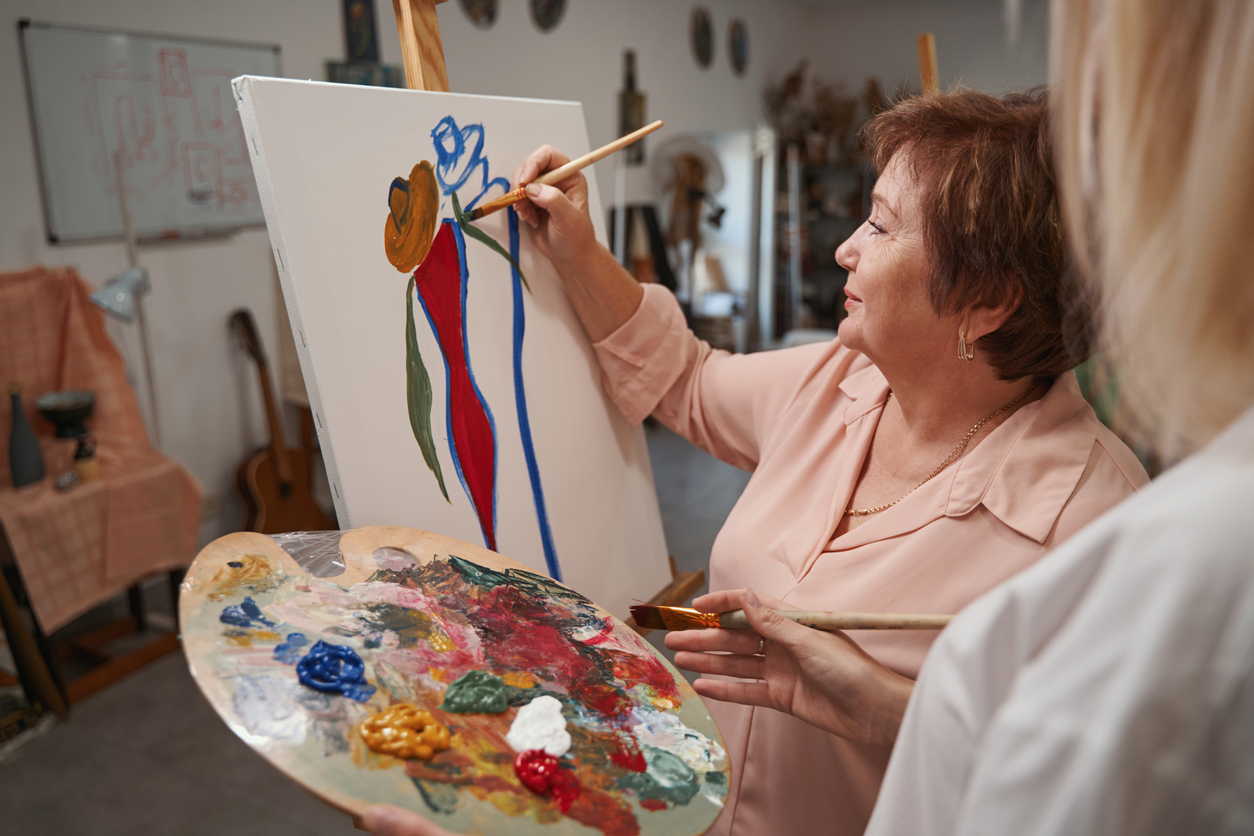
Art therapy has become a clinical practice backed by a growing body of research, used alongside other mental health care rather than in place of it. The mental health side of art therapy benefits gets most of the attention, but the physical health applications are just as worth understanding.
Read on as the following sections cover the benefits of art therapy for both mental and physical health, who benefits most and what an actual session looks like.
Explore Our Degree and Certificate Programs
What Is Art Therapy?
Art therapy is a clinical practice delivered by a trained therapist who uses the creative process to help someone work through what they are experiencing. According to the American Art Therapy Association, the value rests in what happens while someone is making something and in what a therapist helps them notice about that process afterward. The drawing, painting or sculpture at the end is a byproduct, not the point.
A therapist trained in this work is watching for details a client might not name out loud that then become part of the conversation, such as:
- Hesitation before choosing a color
- How much space gets used on the page
- What gets erased or reworked
Art Therapy vs. Making Art on Your Own
Making art alone can be relaxing and worthwhile in its own right. However, it just is not a substitute for the clinical relationship that defines art therapy itself. Painting after a hard day or keeping a sketchbook is valuable and rewarding, but it is not art therapy on its own.
What makes something ‘art therapy’ is a credentialed therapist guiding the process and helping interpret it — connecting what comes up on the page to what is happening in someone's life.
Benefits of Art Therapy for Mental Health
The mental health benefits of art therapy present themselves in several ways across the research as well as in clinical practice:
Reduced Stress and Anxiety
Focused creative work pulls attention into the present moment in a way that interrupts rumination, or the loop of replaying a worry over and over. Choosing colors, shaping clay or working out how to represent something on paper occupies the kind of attention that anxious thinking usually takes over. For many people, that shift brings a noticeable sense of calm during a session, even before any conversation about what the piece means.
A Way to Express What Words Cannot
Trauma and grief cannot always be put into words. Art gives people a nonverbal outlet for experiences that resist being talked through directly. This is particularly valuable for anyone who finds traditional talk therapy hard to access for any number of reasons. A shape, a color choice or a gesture on the page can carry something a session of conversation alone might not reach.
Stronger Self-Esteem and Self-Awareness
Finishing something, no matter how small, builds a kind of confidence that is hard to manufacture. That sense of accomplishment compounds over a course of sessions. Meanwhile, a stronger sense of self-awareness stems from reflection; this could entail a therapist helping someone notice patterns in their color choices, their subject matter or how they talk about their own work, then connecting those patterns back to what is going on in their life.
Better Emotional Regulation and Coping Skills
The tools built in an art therapy session tend to carry into daily life well after a session ends. Examples include the ability to:
- Name a feeling.
- Sit with discomfort long enough to work through it.
- Find a physical outlet for tension.
Research on art therapy as an adjunct treatment points to this kind of durable skill-building as one of the clearer benefits of the practice, especially when it is used alongside other forms of mental health treatment rather than instead of them.
Benefits of Art Therapy for Physical Health
Art therapy in mental health settings gets most of the attention, but the art therapy benefits for physical health are just as well documented, particularly in hospitals and long-term care settings. The American Psychiatric Association has written about creative practice supporting patients through some of the hardest parts of physical illness and recovery, including:
- Pain management, by shifting attention away from the painful stimulus during a procedure or a difficult stretch of recovery
- Support for patients managing cancer, chronic illness or long hospital stays, where creative work offers a rare sense of control
- Reduced physical symptoms of stress, including muscle tension and disrupted sleep
- Cognitive engagement for older adults, including those living with dementia, where creative activity can support memory and communication
- Emotional support for caregivers, who carry a physical strain of their own alongside the emotional weight of caregiving
Who Can Benefit From Art Therapy?
Art therapy is not reserved for people who consider themselves artistic. Artistic skill is never a requirement; the process matters far more than the result, and many clients say the lack of pressure to create something good is part of what makes the work possible in the first place. People who tend to benefit include:
- Children and adolescents, including those who do not yet have the words for what they are feeling
- People processing trauma, grief or a major life change
- Older adults facing cognitive decline or isolation
- People living with chronic illness or managing a long recovery
- People in recovery from substance use disorders
- Anyone who has found talk therapy limiting and wants another way in
What Happens in an Art Therapy Session?
A typical session starts with the therapist and client setting a goal, sometimes broad or sometimes specific to what is going on that week. From there, the client chooses a medium (e.g., paint, clay, collage or something else) based on what fits the goal and what the person is drawn to. The creating itself takes up most of the session, with the therapist observing and sometimes gently prompting rather than directing.
The session may close with a reflection, talking through what came up while making the piece and what it might connect to outside the room. That arc of setting a goal, choosing a medium, creating and then reflecting together repeats and builds across a course of sessions. Later sessions often build directly on themes that surfaced earlier in treatment. No two sessions look identical, since the medium and pacing are based on what the client may need that day.
Bringing Creative Practice Into Daily Life
Outside of formal sessions, various practices can support the same kind of present-moment focus that makes therapy sessions valuable. Examples could include:
- Keeping a simple sketchbook
- Journaling with color instead of only words
- Setting aside 20 unstructured minutes with any art supply on hand
None of this replaces working with a trained therapist, but it can extend the benefit of that work between sessions and support general wellbeing on its own. Think of it as a complement to therapy and to any other mental health care someone is already receiving as opposed to a substitute for either one. Kept low-pressure and free of any expectation about the result, even a few minutes a day can be enough to notice a difference over time.
Explore Expressive Arts Therapy at Husson
For practicing professionals already working in counseling, education or healthcare, adding creative approaches to that work is worth exploring further. Husson University’s Expressive Arts Therapy certificate is built for professionals who want to bring creative methods into their existing practice (rather than as a path toward art therapist registration or licensure). Explore Husson's online degree and certificate programs to see how the certificate fits alongside the credential you already hold.
Explore Our Degree and Certificate Programs
Back to All Blogs