
Dietitians vs. Nutritionists: Similarities and Differences
Published on: December 14, 2023
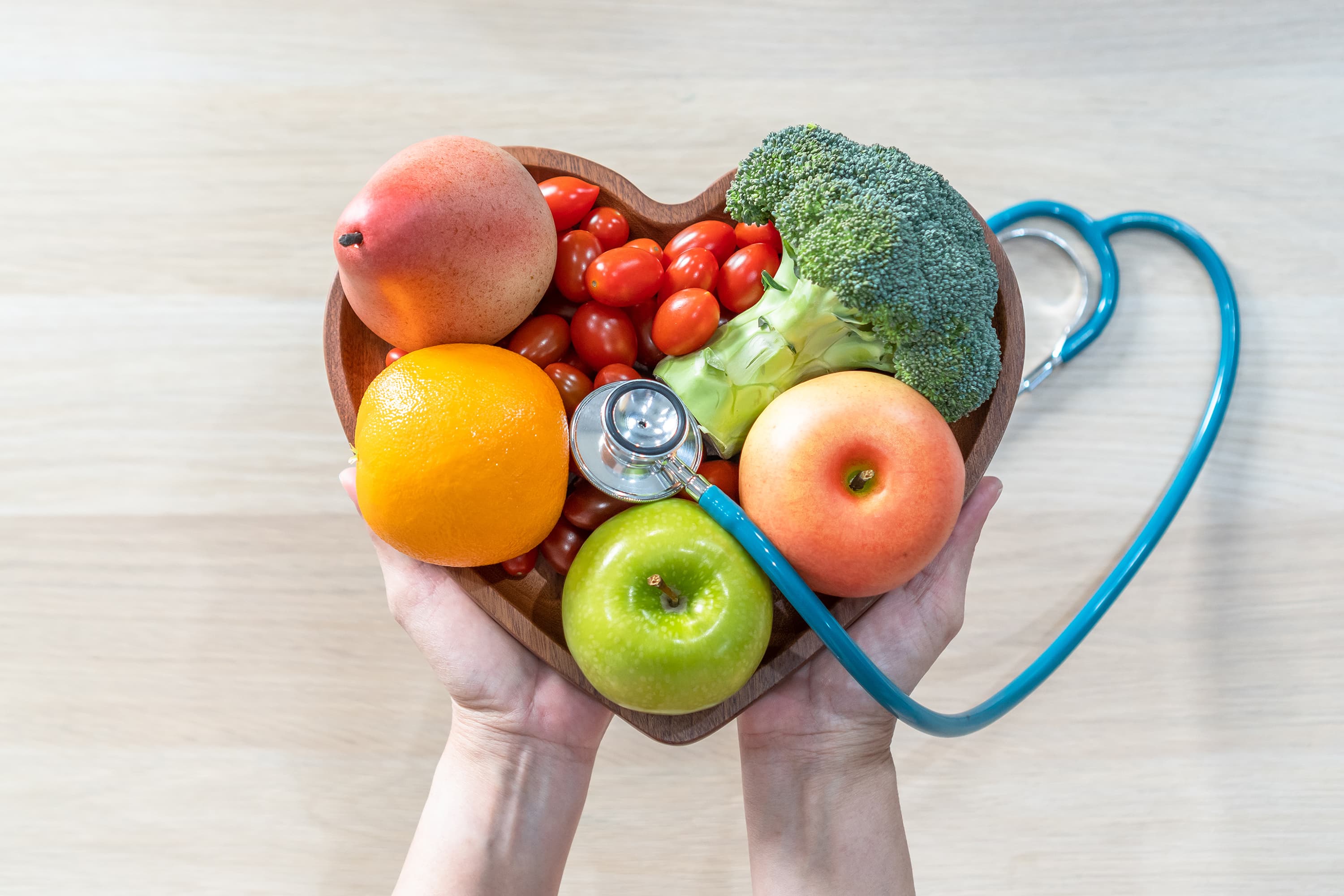
There's no denying the impact of nutrition and healthy eating on a person's health and wellness. Just as the right diet can fuel the body and prevent illness, poor dietary choices can lead to chronic disease, obesity and other serious health problems. Across the United States, poor dietary habits are fueling a public health crisis, particularly given high rates of obesity and diet-related conditions like type 2 diabetes and heart disease.
Perhaps more than ever, there is a need for experienced nutritionists and dietitians to promote healthy eating, nutrition therapy and other habits to help the general public. But what exactly is the difference between dietitian and nutritionist? Contrary to what you might believe, these terms should not be used interchangeably.
Get Your Nutrition and Health Degree
What Is a Nutritionist?
A nutritionist specializes in the use of food and nutrition to improve overall health and wellness. These professionals may be responsible for assessing the health and nutritional needs of a client as well as making recommendations for dietary changes and nutrition plans.
In certain cases, a clinical nutritionist may also assist clients in creating nutrition/meal plans to manage ongoing health conditions. For example, a client with type 2 diabetes may work with a nutritionist to create a meal plan to manage the disease and its symptoms.
Nutritionists work in a variety of settings, ranging from cafeterias to government offices to nursing homes and hospitals. Sometimes, nutritionists may work for themselves, offering independent counseling to clients.
What Is a Dietitian?
A dietitian is a recognized medical professional also focused on diet and nutrition to promote health and wellness while managing chronic health conditions in the process.
Dietitians can help with anything from meal planning to making nutritional recommendations for a client's specific goals, whether it be losing weight, gaining weight or keeping a chronic condition in check.
Dietitians may fall into the category of registered dietitian (RD) or registered dietitian nutritionist (RDN). These professionals hold a minimum of a bachelor's degree and likely additional training beyond that.
Nutritionist vs. Dietitian: Similarities and Differences
An important distinction to understand upfront: all dietitians are nutritionists, but not all nutritionists are dietitians. While both professions focus on food and nutrition to improve health, they differ significantly in credentials, education, licensing and scope.
Similarities
Both dietitians and nutritionists share a common foundation:
- Both have expertise in nutrition and the impact diet can have on overall health and wellness.
- Both assist clients with meal and diet planning.
- Both promote healthy lifestyle habits.
- Both may be subject to continuing education requirements to remain current in the field.
Differences
The key differences between nutritionists and dietitians fall into four categories:
- Credentials: The RD and RDN titles are legally protected. In many states, anyone can use the title 'nutritionist' without formal credentials, making it a less regulated designation.
- Education: Dietitians must hold a degree from an accredited dietetics program. As of 2024, the Commission on Dietetic Registration requires all new dietitians to hold at least a master's degree. Nutritionists are not held to a universal education standard, though most employers still prefer applicants with a bachelor's degree in nutrition or a related field.
- Licensing: Dietitians are required to pass a national licensure exam and meet state-specific licensing requirements. Nutritionists do not face the same universal licensing requirements, though some states do regulate the title.
- Work Settings: Nutritionists most commonly work in hospitals and healthcare settings or see private clients independently. Dietitians work across a broader range of settings, including private practice, government and public health agencies, research institutions and education roles.
Job Outlook for Nutritionists and Dietitians
The job outlook for both nutritionists and dietitians is strong. According to the Bureau of Labor Statistics, employment in this field is projected to grow 6% from 2024 to 2034, faster than the national average for all occupations, with approximately 6,200 openings expected annually over that period. Growth is driven by increasing awareness of how diet affects chronic disease prevention and management, as well as demand for dietetic services as the population ages.
How to Become a Nutritionist or Dietitian
The path to becoming a nutritionist or dietitian depends on the state where you wish to practice and the specific role you're pursuing.
As a clinical nutritionist, you may not be required to hold a formal degree to legally practice in most states. However, hospitals and healthcare facilities typically prefer applicants with at least a bachelor's degree in nutrition or a related field.
To work as an RD or RDN, you need a minimum of a bachelor's degree in a related field along with approximately 1,000 hours of supervised clinical practice. The Commission on Dietetic Registration now requires all new dietitians to hold at least a master's degree. All RDs and RDNs must also pass a national licensure exam.
Both nutritionists and dietitians may also need to fulfill continuing education requirements to keep their credentials active. RDs, for example, must complete a certain number of continuing professional education units every five years.
Ultimately, the right path depends on how much education and credentialing you're willing to pursue. If you want to enter the field quickly, a career as a nutritionist may be the better fit. If you want broader career options and greater clinical credibility, becoming an RD or RDN is worth the additional investment.
Interested in Studying Nutrition and Health?
As you can see, there is a bit of overlap between the work of a nutritionist and a dietitian. Both are deeply involved in promoting healthy eating habits to help people lead healthier lives. However, working as a registered dietitian or registered dietitian nutritionist does require some additional training and specialization.
If you feel called to explore health and nutrition as part of your professional path, Husson University Online has degree programs and certificates tailored to you. This includes our new Nutrition and Health program, designed to prepare students for a rewarding career as a nutritionist or dietitian.
Learn more about Husson University’s online degree programs by getting in touch today—or take the first step by filling out an online application!
Get Your Nutrition and Health Degree
Back to All Blogs