
AGNP vs. FNP: Similarities and Differences
Published on: June 14, 2023
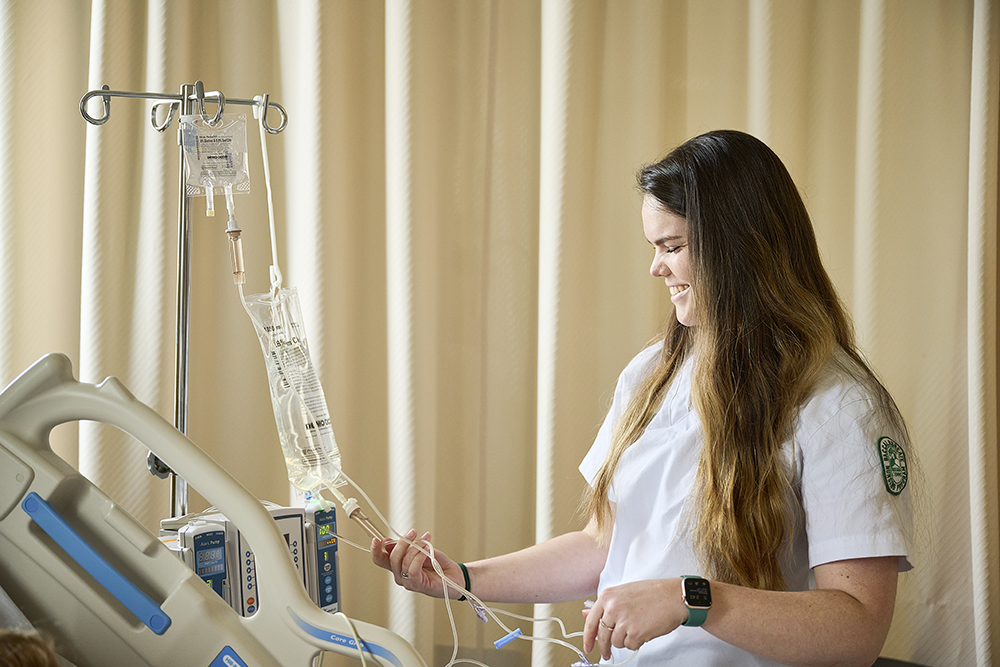
Choosing a nurse practitioner specialty is one of the most significant decisions in an advanced nursing career. Two of the most in-demand paths are the family nurse practitioner (FNP) and the adult gerontology nurse practitioner (AGNP). While both roles share a common clinical foundation, they differ in the patients they serve, the settings where they work and the career paths available to them.
What Is an FNP?
Much like a family doctor, a family nurse practitioner (FNP) administers and manages primary care for patients of all ages. In addition to conducting examinations to diagnose and treat specific conditions, an FNP places a heavy emphasis on preventive medicine and maintaining general good health and wellness. When a patient's condition requires specialist care, an FNP can refer them to a provider in a relevant field.
What Is an AGNP?
An adult gerontology nurse practitioner (AGNP) specializes in the treatment of adolescent, adult and older (geriatric) patients. AGNPs have in-depth knowledge of conditions that are particularly prevalent among aging populations, from chronic disease management to age-related cognitive and physical decline.
There are two distinct AGNP tracks, and understanding the difference matters when choosing a program:
- AGPCNP (Adult-Gerontology Primary Care Nurse Practitioner): Focuses on comprehensive, ongoing care for adult and older adult patients. AGPCNPs typically work in outpatient settings, managing chronic conditions and providing preventive care over the long term.
- AGACNP (Adult-Gerontology Acute Care Nurse Practitioner): Focuses on adults who are acutely or critically ill. AGACNPs often work in hospitals, ICUs and emergency settings, managing complex or urgent conditions from admission through discharge.
Similarities Between FNPs and AGNPs
FNPs and AGNPs are advanced practice registered nurses (APRNs) who provide a broad variety of services to the patients under their care. Both specializations involve the examination, diagnosis and treatment of patients while partnering with them to promote disease prevention and healthy lifestyle choices.
FNPs and AGNPs also share many of the same workplace environments. Common employers of both include public medical facilities, community health centers, government institutions and private practices.
Common Skills
Like all nurse practitioners, FNPs and AGNPs are regularly tasked with physically assessing patients, performing or ordering diagnostic tests and developing appropriate therapeutic or pharmaceutical treatment plans. Unlike other nurses and medical technicians, both FNPs and AGNPs have the authority to prescribe medications.
Overlapping Areas of Practice
Because they both care for the adult population, an FNP and AGNP could share many of the same patients. They have a shared focus on health promotion and assessment, condition prevention and diagnosis and treatment planning and execution. Both are also generally responsible for maintaining patient records and handling associated administrative tasks.
Education Requirements
The foundational academic prerequisites for both specializations are the same. Both FNP and AGNP career paths require either a Master of Science in Nursing (MSN) or Doctor of Nursing Practice (DNP) from an accredited college or university.
Some MSN and DNP programs, like those offered at Husson University Online, are specifically designed to guide graduates toward a career as an FNP or AGNP.
Differences Between FNPs and AGNPs
Beyond their shared foundation, FNPs and AGNPs differ in the patients they serve, the settings where they practice and the certification paths they follow.
Age of Patients Served
FNPs care for patients of all ages, from newborn infants to geriatric adults. This broad scope means an FNP may not have the same depth of knowledge in treating elderly patients as an AGNP would.
An AGNP focuses exclusively on patients who are 13 years of age and older. While they do not work with younger children, AGNPs have specialized training in the challenges of aging and the diseases and conditions that tend to affect people later in life.
Certification Requirements
After completing an MSN or DNP, nurse practitioners pursue certification in their chosen specialty. FNPs can pursue certification through the American Nurses Credentialing Center (ANCC) or the American Academy of Nurse Practitioners Certification Board (AANPCB).
AGNPs have additional considerations depending on the track they choose. Primary care AGNPs (AGPCNP) can certify through the ANCC or AANPCB. Acute care AGNPs (AGACNP) must certify through the American Association of Critical-Care Nurses (AACN).
Where FNPs and AGNPs Work
Both specializations share many common practice settings, including public medical facilities, community health centers and private practices. However, certain healthcare organizations tend to favor one over the other.
Common practice settings for FNPs include general clinics, hospitals, health departments and educational institutions. AGNPs tend to practice in specialty clinics, outpatient and long-term care facilities, rehabilitation centers, home care organizations and hospitals, particularly in acute care roles.
FNP vs. AGNP: Salary and Career Outlook
The career outlook for both FNPs and AGNPs is strong. According to the Bureau of Labor Statistics, employment of nurse practitioners is projected to grow 40% from 2024 to 2034, far above the average for all occupations. This growth is driven by a nationwide shortage of primary care physicians, an aging U.S. population and increasing patient reliance on NP-led care.
Within the nurse practitioner profession, FNPs represent the largest share of the workforce, accounting for more than 70% of all available NP positions. AGNPs are among the most in-demand specialties, accounting for nearly 9% of available positions.
Both roles offer competitive compensation that reflects the advanced education and clinical expertise required. The Bureau of Labor Statistics consistently ranks nurse practitioners among the higher-paid healthcare professions, and salaries for both FNPs and AGNPs vary based on experience, location, employer type and specialty. Acute care AGNPs (AGACNPs) tend to earn more than their primary care counterparts, reflecting the complexity of the patients they treat. For current salary data, the BLS Occupational Outlook Handbook is a reliable reference."
How to Choose Between an FNP and AGNP Program
The right path depends primarily on the patients you want to serve and the clinical environment where you see yourself working. Here are some questions to guide the decision:
An FNP program may be the better fit if you:
- Want to treat patients across all age groups, including infants and young children
- Prefer a primary care setting such as a family clinic, urgent care center or community health center
- Want the broadest possible range of career options and practice settings
- Are drawn to long-term patient relationships across the full lifespan
An AGNP program may be the better fit if you:
- Are drawn to working with adult and older adult populations specifically
- Have a strong interest in chronic disease management, geriatric care or the aging process
- Are interested in the acute care track (AGACNP), which opens doors to hospital, ICU and emergency settings
- Want to specialize in a specific adult-focused field such as cardiology, oncology or internal medicine
In either case, make sure any program you consider is fully accredited through the Commission on Collegiate Nursing Education (CCNE) or the Accreditation Commission for Education in Nursing (ACEN).
Earn Your FNP or AGNP at Husson University Online
At Husson University, we offer MSN programs in both Family Nurse Practitioner and Adult Gerontology Acute Care Nurse Practitioner specializations, delivered fully online. Visit our program pages to learn more about curriculum, clinical requirements and admissions, or contact us to speak with an advisor.
Back to All Blogs